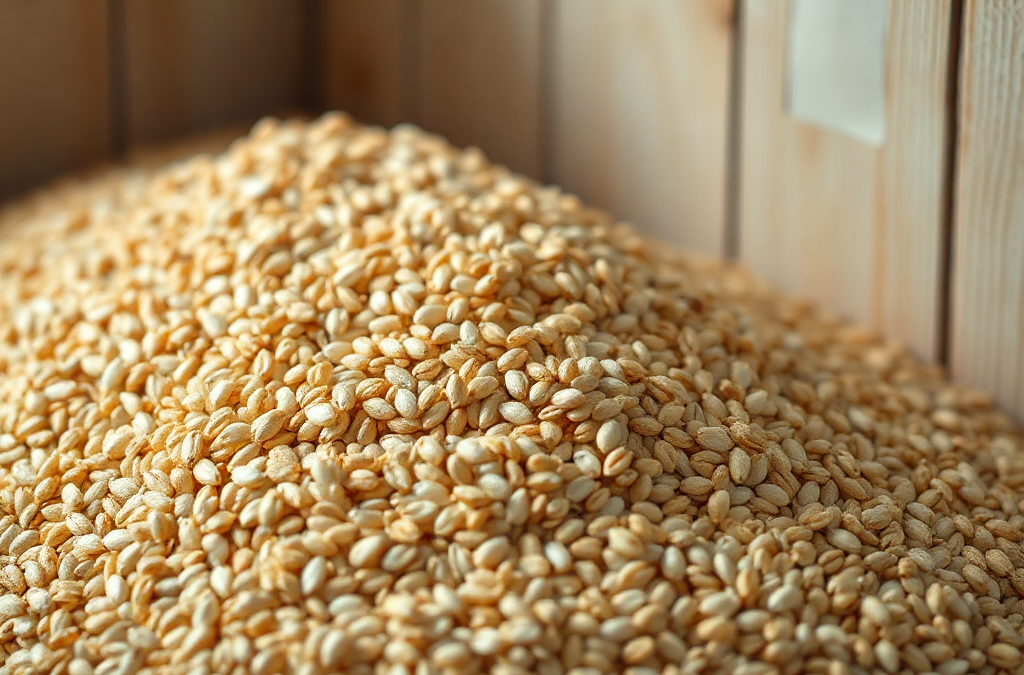
To prevent grain spoilage during storage, it is essential to control moisture levels, temperature, and airflow. Aim for a moisture content between 12% and 14%, as higher levels can lead to mold growth. Store grains in cool environments, ideally below 60°F, and utilize aeration systems to promote ventilation. Regularly monitoring these conditions will help maintain grain quality and reduce the risk of spoilage caused by pests and biological activity. Implementing these strategies can significantly extend the shelf life of stored grains and minimize economic losses.
Understanding Grain Spoilage
Grain spoilage occurs due to several factors, including moisture, temperature, pests, and biological activity. Understanding these elements is crucial for effective storage. When grains are stored in conditions that promote moisture accumulation, they become susceptible to mold and other spoilage organisms. Properly identifying the causes of spoilage helps in applying the right prevention methods.
The most common culprits of spoilage are fungi and insects, which thrive in warm and humid environments. For instance, a temperature above 70°F coupled with moisture levels exceeding 14% creates an ideal breeding ground for mold. This not only affects grain quality but can also lead to significant economic losses.
Optimal Storage Conditions
Creating optimal storage conditions is essential to prevent grain spoilage. The ideal moisture content for most grains is between 12% and 14%. Regular moisture checks using a moisture meter can help maintain these levels. If moisture levels exceed this range, it is crucial to dry the grains before storage.
Temperature control plays a significant role in grain storage. Ideally, grains should be stored at temperatures below 60°F. This can be achieved through air conditioning or by storing grains in cooler environments. Utilizing insulated storage facilities can also help maintain low temperatures and prevent spoilage.
Ventilation is another critical factor. Adequate airflow helps to disperse moisture and heat buildup. Using aeration systems can facilitate this process, ensuring that stored grains remain dry and cool. Additionally, regularly monitoring the condition of the stored grains helps in early detection of any spoilage signs.
Pest Control Measures
Pests pose a significant threat to stored grains. Common pests include weevils, moths, and rodents, which can contaminate grains and lead to spoilage. Implementing effective pest control measures is vital for maintaining grain quality.
To prevent infestations, it is essential to keep storage areas clean and free of debris. Regularly inspecting stored grains for signs of pests can help catch infestations early. Utilizing traps and natural repellents can also be effective in managing pest populations.
In more severe cases, chemical treatments may be necessary. However, care must be taken to follow safety guidelines and ensure that any substances used do not compromise grain safety. Integrated pest management approaches that combine multiple strategies are often the most effective.
Monitoring and Maintenance Practices
Regular monitoring and maintenance practices are crucial for preventing grain spoilage. This includes checking moisture levels, temperature, and pest presence consistently. Keeping detailed records of storage conditions can help in identifying trends or issues that may arise over time.
Get Whole Wheat Flour, Grains and Milling Supplies – CLICK HERE

Routine cleaning of storage facilities should not be overlooked. A clean environment reduces the risk of contamination and pest infestations. Additionally, rotating stored grains can help ensure that older grains are used first, minimizing the risk of spoilage.
Investing in technology, such as grain monitoring systems that provide real-time data on storage conditions, can enhance the effectiveness of monitoring efforts. These systems can alert storage managers to any changes that may indicate potential spoilage risks.
Frequently Asked Questions
What are the main causes of grain spoilage?
The main causes of grain spoilage include high moisture levels, improper temperature, pest infestations, and biological activity like mold growth.
How can I check the moisture level of stored grains?
You can check the moisture level of stored grains using a moisture meter, which provides an accurate reading of the grain's moisture content.
What temperature is ideal for grain storage?
The ideal temperature for grain storage is below 60°F, as higher temperatures can promote spoilage and pest activity.
What pests are most common in stored grains?
Common pests in stored grains include weevils, moths, and rodents, all of which can cause significant damage and contamination.
How often should I inspect stored grains?
Stored grains should be inspected regularly, ideally every few weeks, to monitor for moisture levels, temperature, and signs of pests.
Conclusion
Preventing grain spoilage during storage requires diligent attention to moisture levels, temperature, and pest control. By understanding the underlying causes of spoilage and implementing effective strategies, storage managers can significantly extend the shelf life of stored grains. Regular monitoring and maintenance practices are essential for sustaining grain quality, ensuring that grains remain safe and usable for longer periods.
Get Whole Wheat Flour, Grains and Milling Supplies – CLICK HERE
Auto Amazon Links: No products found.