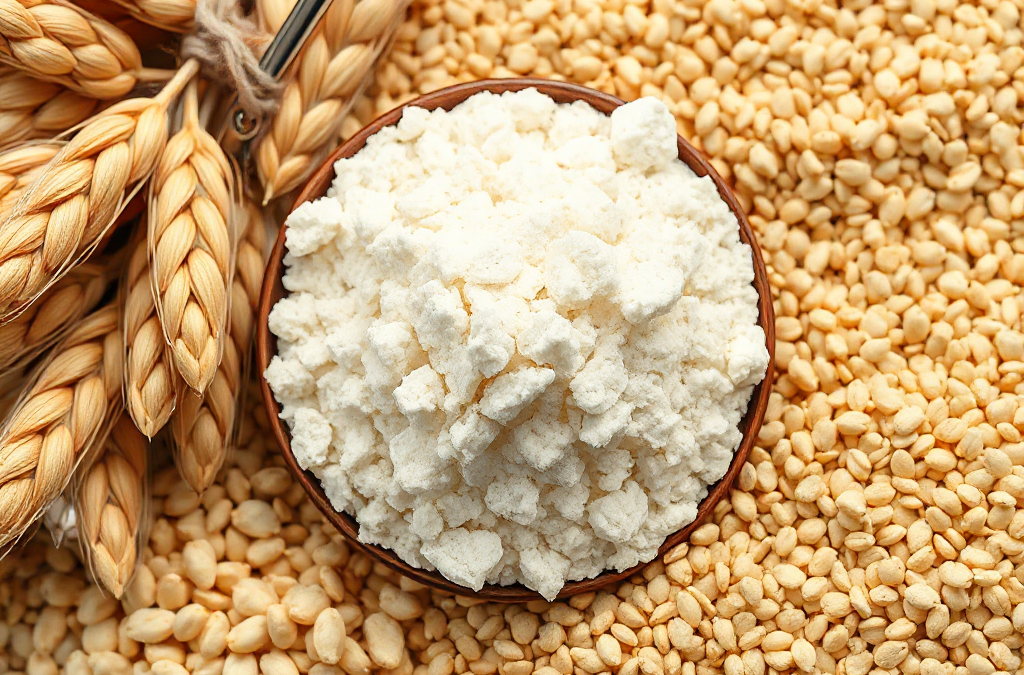
Using desiccants for grain moisture control involves incorporating moisture-absorbing substances to maintain optimal humidity levels during storage. This method helps prevent mold growth, spoilage, and pest infestations, ensuring the quality and longevity of stored grains. Common desiccants include silica gel and calcium chloride, which effectively absorb moisture from the air, creating a drier environment. It's essential to monitor humidity levels regularly to ensure the desiccants remain effective and replace them as needed.
Understanding Desiccants and Their Role in Grain Storage
Desiccants are substances that absorb moisture from the air, creating a drier environment that is crucial for the preservation of stored grains. High moisture levels can lead to mold growth, spoilage, and pest infestations, which can significantly impact grain quality and shelf life. By using desiccants, grain storage facilities can mitigate these risks and maintain ideal conditions for long-term storage.
The effectiveness of desiccants lies in their ability to lower humidity levels within storage containers, silos, or warehouses, thereby preventing the conditions that favor mold and pest activity. Understanding how desiccants work is essential for implementing them effectively in grain storage practices.
Types of Desiccants and Their Applications
There are several types of desiccants available, each with unique properties and applications. The most common types include silica gel, calcium chloride, and activated alumina. Each of these desiccants has specific moisture absorption capabilities and is suitable for different storage conditions.
Silica Gel
Silica gel is one of the most widely used desiccants due to its high moisture absorption capacity and non-toxic nature. It is often found in small packets within packaging materials. Silica gel can absorb moisture up to 40% of its weight, making it effective in various grain storage applications.
Calcium Chloride
Calcium chloride is another powerful desiccant that can absorb moisture from the air. It is often used in bulk storage situations, such as silos, due to its ability to absorb large amounts of moisture rapidly. However, it is important to monitor the calcium chloride levels regularly, as it can become saturated and lose its effectiveness over time.
Implementing Desiccants for Effective Moisture Control
To effectively use desiccants for grain moisture control, it is essential to follow a systematic approach. Start by assessing the storage environment, including temperature and humidity levels, to determine the appropriate type and amount of desiccant needed. Regular monitoring of these conditions will help ensure the desiccants remain effective throughout the storage period.
When placing desiccants, distribute them evenly throughout the storage area to maximize their moisture absorption capabilities. This will help create a balanced environment that minimizes humidity levels uniformly.
Common Mistakes to Avoid When Using Desiccants
While desiccants can be highly effective for moisture control, there are common pitfalls to be aware of. One of the most significant mistakes is not replacing desiccants regularly. As desiccants absorb moisture, their capacity diminishes, making it crucial to monitor and replace them as needed.
Another common error is using insufficient quantities of desiccants for the volume of grain stored. It is essential to calculate the appropriate amount based on the storage conditions to ensure optimal moisture control.
Get Whole Wheat Flour, Grains and Milling Supplies – CLICK HERE

Frequently Asked Questions
What are desiccants and how do they work in grain storage?
Desiccants are moisture-absorbing substances that create a dry environment, preventing mold and spoilage in stored grains.
How often should I replace desiccants in grain storage?
Desiccants should be replaced regularly, typically every few months, depending on humidity levels and the specific type used.
Can I use multiple types of desiccants together?
Yes, using multiple types of desiccants can enhance moisture control, but ensure they are compatible and monitored effectively.
What are the signs that desiccants are no longer effective?
Signs include increased humidity levels, visible moisture in the storage area, or the desiccants becoming saturated.
Where can I buy desiccants for grain storage?
Desiccants can be purchased from agricultural supply stores, online retailers, or specialty chemical suppliers.
Conclusion
Using desiccants for grain moisture control is a practical method to maintain optimal storage conditions and prevent spoilage. By understanding the types of desiccants available, implementing them correctly, and avoiding common mistakes, grain storage can be effectively managed. Regular monitoring and replacement of desiccants are crucial for ensuring long-term grain quality and safety.
Get Whole Wheat Flour, Grains and Milling Supplies – CLICK HERE
Auto Amazon Links: No products found.