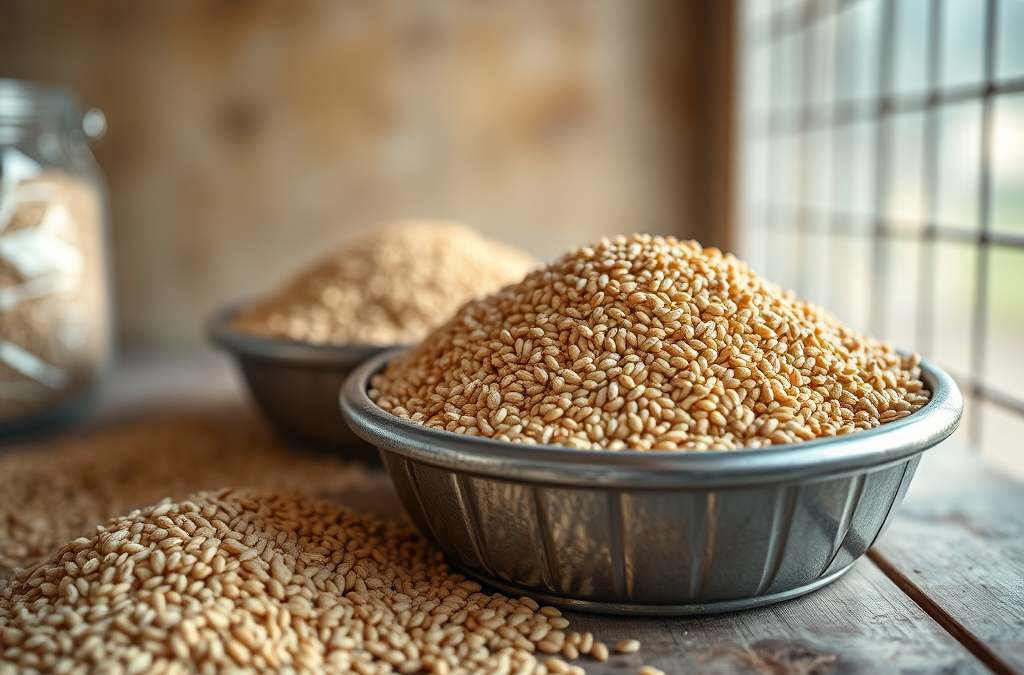
The impact of light exposure on grain storage is significant as it can lead to quality degradation and spoilage. Prolonged light exposure can cause chemical reactions that affect grain integrity, leading to issues such as mold growth and nutrient loss. Understanding these effects allows for better storage practices, such as using opaque containers and controlling light exposure to maintain grain quality.
Understanding Light Exposure in Grain Storage
Light exposure plays a critical role in the storage of grains, affecting their quality and longevity. Grains stored in areas with high light intensity can undergo photochemical reactions that compromise their nutritional value and shelf life. The primary concern is ultraviolet (UV) light, which can induce the breakdown of essential nutrients and promote the growth of harmful microorganisms. Understanding how light interacts with stored grains is vital for implementing effective storage practices that preserve grain integrity.
Moreover, grains are often packaged in transparent or semi-transparent containers, inadvertently exposing them to light. This exposure can trigger oxidation processes, leading to rancidity and off-flavors in grains, particularly oils-rich varieties like corn and soybeans. To mitigate these effects, it is crucial to recognize the types of light that pose risks and to adopt practices that limit their impact on stored grains.
Effects of Light on Grain Quality
The effects of light on grain quality are multifaceted. One of the most significant impacts is the degradation of vitamins and antioxidants, which are sensitive to light. For instance, riboflavin (Vitamin B2) and carotenoids can diminish under prolonged light exposure, reducing the nutritional value of grains. This degradation not only affects the health benefits of grains but also alters their sensory attributes, such as color and flavor.
Additionally, light exposure can lead to increased moisture levels in grains, creating an environment conducive to mold growth. Molds can produce mycotoxins, which are harmful to both humans and livestock. For example, Aflatoxins produced by Aspergillus species can contaminate grains and pose serious health risks. Therefore, understanding the mechanisms through which light affects grain quality is essential for maintaining food safety and nutritional standards.
Practical Storage Solutions
To combat the adverse effects of light exposure on grain storage, several practical solutions can be implemented. One of the most effective methods is to use opaque storage containers that block light entirely. These containers can be made from materials such as metal or dark-colored plastics, which prevent light from penetrating and causing degradation.
Another strategy is to store grains in dark, cool environments. By minimizing light and temperature fluctuations, the risk of spoilage can be significantly reduced. Additionally, regularly monitoring the storage conditions can help identify potential issues before they escalate. This includes checking for signs of moisture, pest infestations, and any changes in grain quality.
Furthermore, utilizing protective covers or tarps during storage can also shield grains from direct light exposure. Implementing these practical solutions will not only enhance the quality of stored grains but also extend their shelf life, ensuring that they remain safe and nutritious for consumption.
Frequently Asked Questions
How does light exposure affect grain quality?
Light exposure can degrade essential nutrients, promote mold growth, and alter sensory attributes like flavor and color in grains.
What types of light are harmful to stored grains?
Ultraviolet (UV) light is particularly harmful, as it can trigger photochemical reactions that degrade grain quality.
What are effective storage methods to reduce light exposure?
Using opaque containers, storing grains in dark environments, and utilizing protective covers can significantly reduce light exposure.
Can light exposure lead to mold growth in grains?
Yes, light exposure can increase moisture levels in grains, creating an environment conducive to mold growth and mycotoxin production.
What nutrients are most affected by light exposure in grains?
Vitamins such as riboflavin and carotenoids are particularly sensitive to light and can degrade, reducing the nutritional value of grains.