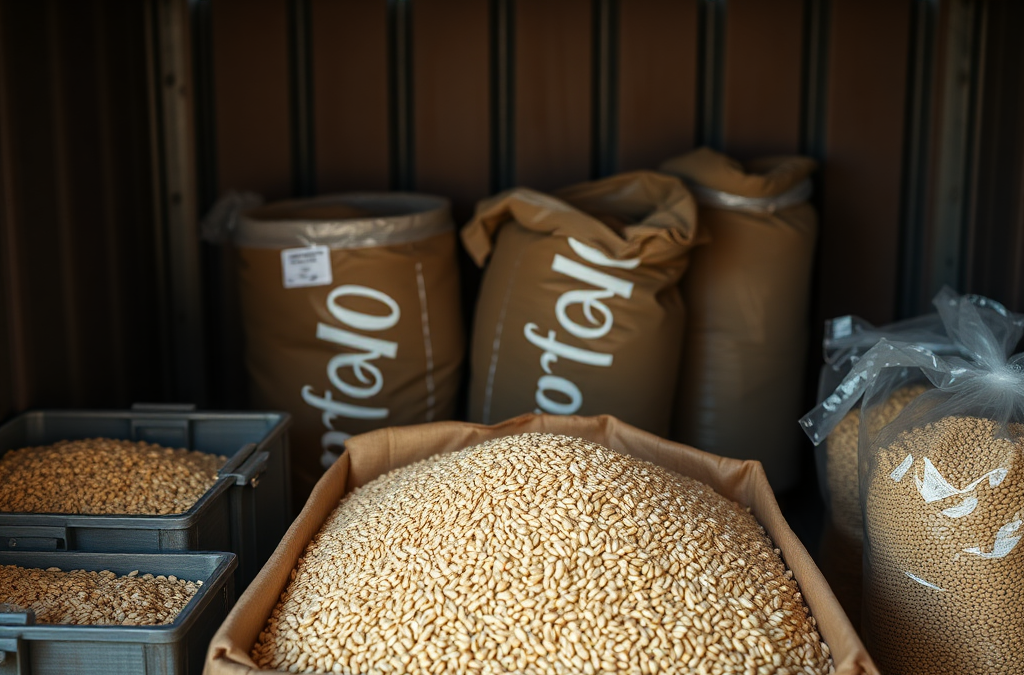
Maintaining grain quality during power outages involves implementing effective storage techniques and temperature management. Ensure grains are stored in airtight containers to prevent moisture and pest intrusion. Regular monitoring of temperature and humidity levels is crucial, particularly in non-climate-controlled environments. Additionally, consider using backup power sources for ventilation systems, as stagnant air can lead to spoilage. Prioritizing these strategies will help preserve grain integrity even during unexpected power interruptions.
Understanding the Risks of Power Outages on Grain Storage
Power outages can significantly impact grain quality, leading to spoilage, pest infestations, and nutritional degradation. Understanding these risks is crucial for effective grain management. When power is lost, temperature control systems fail, which can lead to increased humidity and temperature levels in storage facilities. This environment creates ideal conditions for mold growth and pest activity, both of which can compromise the quality of stored grains.
For instance, grains like corn and wheat are particularly vulnerable to these conditions. If stored improperly during a power failure, they can develop mycotoxins, which are harmful to both humans and livestock. Furthermore, fluctuations in temperature can lead to condensation within storage containers, exacerbating moisture problems.
Recognizing these risks allows grain handlers to prioritize their storage strategies effectively. By implementing proactive measures, it is possible to mitigate the negative effects of power outages on grain quality.
Best Practices for Grain Storage During Outages
To maintain grain quality during power outages, it is essential to follow best practices in storage management. First and foremost, ensure that grains are stored in airtight containers. This reduces the risk of moisture infiltration and pest access. Containers such as sealed bins or vacuum-packed bags are ideal for this purpose.
Additionally, regular inspection of stored grains is critical. Establish a routine to check for signs of spoilage or pest activity. Look for any unusual odors, discoloration, or clumping in the grains. Early detection allows for timely intervention, potentially saving large quantities of grain from loss.
Another effective strategy includes maintaining proper inventory levels. Overcrowding storage areas can lead to poor air circulation, which increases the risk of spoilage. Keeping grain quantities manageable ensures that airflow remains optimal and reduces the likelihood of temperature increases during outages.
Temperature and Humidity Control Techniques
Effective temperature and humidity control are vital for maintaining grain quality during power outages. When the power goes out, temperature fluctuations can occur, leading to condensation and moisture buildup. To counteract this, consider investing in a backup power source for ventilation systems.
Ventilation helps to circulate air within storage facilities, preventing hot spots and reducing humidity levels. Additionally, using desiccants—materials that absorb moisture—can be beneficial in controlling humidity levels in grain storage. Silica gel packs or calcium chloride are examples of effective desiccants that can help keep the environment dry.
Monitoring tools, such as hygrometers and thermometers, should be utilized to keep track of temperature and humidity levels regularly. Setting thresholds for acceptable levels will enable quick responses to any deviations, allowing for corrective actions before damage occurs.
Emergency Preparedness for Grain Storage
Emergency preparedness plays a critical role in maintaining grain quality during power outages. Create a contingency plan that outlines the steps to take in the event of a power failure. This plan should include emergency contact information, backup power options, and procedures for inspecting and managing stored grains.
Training staff on emergency protocols is equally important. Ensure that everyone involved in grain management understands the risks associated with power outages and knows how to respond effectively. Regular drills can help reinforce these procedures, ensuring that all team members are prepared.
Get Whole Wheat Flour, Grains and Milling Supplies – CLICK HERE

Moreover, consider investing in technology that can alert you to temperature or humidity changes in real time. Smart monitoring systems can send notifications to your phone or email, allowing for immediate action when conditions change unexpectedly.
Frequently Asked Questions
What are the main risks to grain quality during power outages?
The primary risks include increased moisture and temperature, leading to mold growth and pest infestations, which can spoil the grain.
How can I protect my stored grains from pests during outages?
Use airtight containers and regularly inspect stored grains for signs of pest activity to prevent infestations.
What should I do if I notice mold in my grain storage?
Immediately remove affected grains and clean the storage area to prevent further contamination. Ensure proper ventilation and dry conditions to avoid recurrence.
Can humidity control devices help during power outages?
Yes, humidity control devices such as dehumidifiers or desiccants can help maintain optimal grain storage conditions even during power outages.
What are some emergency preparedness strategies for grain storage?
Develop a contingency plan, train staff on emergency protocols, and consider backup power options for ventilation systems to maintain grain quality during outages.
Conclusion
Maintaining grain quality during power outages is crucial for preserving both the economic value and safety of stored grains. By understanding the risks, implementing effective storage practices, and preparing for emergencies, grain handlers can significantly mitigate the adverse effects of power interruptions. Prioritize regular inspections, invest in monitoring technology, and ensure that all staff are trained in emergency response to protect your grain quality effectively. Taking these proactive steps will help ensure that your grain remains safe and usable, regardless of power supply challenges.
Get Whole Wheat Flour, Grains and Milling Supplies – CLICK HERE
Auto Amazon Links: No products found.