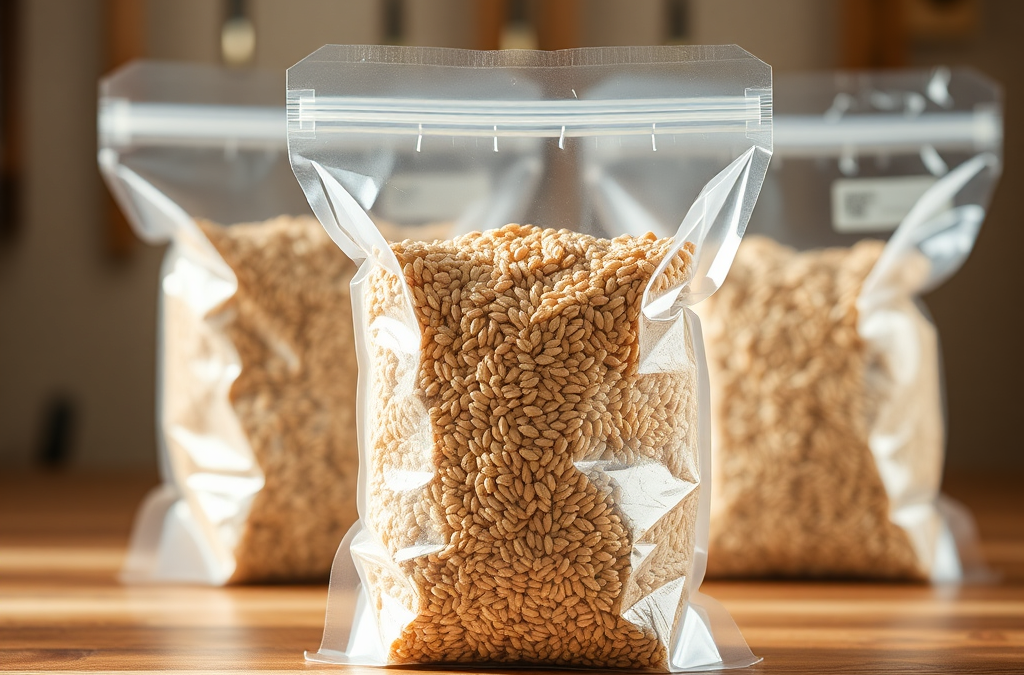
Using Mylar bags for grain protection is a highly effective method to preserve the quality and longevity of stored grains. These bags provide a barrier against moisture, oxygen, and light, which are the primary factors that lead to grain spoilage. When properly sealed, Mylar bags can extend the shelf life of grains significantly, preventing pests and mold. For optimal results, it's crucial to ensure that the bags are vacuum-sealed and stored in a cool, dark place to maximize their protective qualities.
Understanding Mylar Bags and Their Benefits
Mylar bags are made from a polyester film that provides excellent moisture and oxygen barrier properties, making them ideal for grain storage. These bags are designed to protect grains from environmental factors that lead to spoilage, such as humidity and light exposure. The primary benefit of using Mylar bags is their ability to extend the shelf life of grains significantly, often up to several years when sealed correctly.
The effectiveness of Mylar bags lies in their ability to minimize oxidation and moisture, two leading causes of grain deterioration. By creating an airtight seal, these bags prevent the growth of mold and the attraction of pests, which can devastate stored grains. Additionally, Mylar bags are lightweight and flexible, making them easy to store in various spaces.
How to Use Mylar Bags for Grain Storage
To effectively use Mylar bags for grain protection, follow these essential steps:
- Choose the Right Size: Select Mylar bags that fit the quantity of grain you plan to store. Common sizes range from one-gallon to five-gallon bags.
- Prepare the Grain: Ensure that the grains are clean and dry before packing them into the bags. Moisture content should be minimal to prevent mold.
- Fill the Mylar Bags: Use a funnel to fill the bags with the prepared grain, leaving enough space at the top for sealing.
- Remove Air: Vacuum seal the bags to eliminate air, which helps to prolong the shelf life of the grains. If a vacuum sealer is not available, manually press out as much air as possible.
- Seal the Bags: Use a heat sealer to close the bags securely. Ensure the seal is complete to prevent any air from entering.
- Store Properly: Place the sealed Mylar bags in a cool, dark location to protect them from temperature fluctuations and light exposure.
Following these steps will ensure that your grains remain fresh and protected for an extended period.
Common Mistakes When Using Mylar Bags
While Mylar bags are effective for grain storage, there are common mistakes that can undermine their protective qualities:
Get Whole Wheat Flour, Grains and Milling Supplies – CLICK HERE

- Not Vacuum-Sealing: Failing to remove air from the bags can lead to oxidation and spoilage. Always ensure that the bags are vacuum-sealed or as air-free as possible.
- Storing in Improper Conditions: Even sealed Mylar bags can be affected by extreme temperatures or moisture. Store them in a stable environment.
- Using Damaged Bags: Inspect Mylar bags for any tears or punctures before use. Damaged bags will not provide adequate protection.
- Ignoring Grain Quality: Always start with high-quality, clean grains. Contaminated grains can compromise the entire storage process.
Avoiding these mistakes will help maintain the integrity and longevity of your stored grains.
Long-term Storage Considerations
When using Mylar bags for long-term grain storage, consider the following factors:
- Temperature Control: Store Mylar bags in a temperature-controlled environment to prevent degradation of the bags and the grains inside.
- Regular Checks: Periodically inspect stored Mylar bags for any signs of damage or leaks. Early detection can prevent larger issues.
- Rotation: Implement a first-in, first-out (FIFO) system to ensure older grains are used before newer ones, preventing spoilage.
By considering these factors, you can maximize the effectiveness of Mylar bags for grain protection and ensure your grains remain fresh and viable for use.
For those looking to deepen their understanding of grain storage techniques and the benefits of Mylar bags, consider referencing authoritative sources and research articles that provide insights into best practices and innovations in grain preservation.
Get Whole Wheat Flour, Grains and Milling Supplies – CLICK HERE
Auto Amazon Links: No products found.