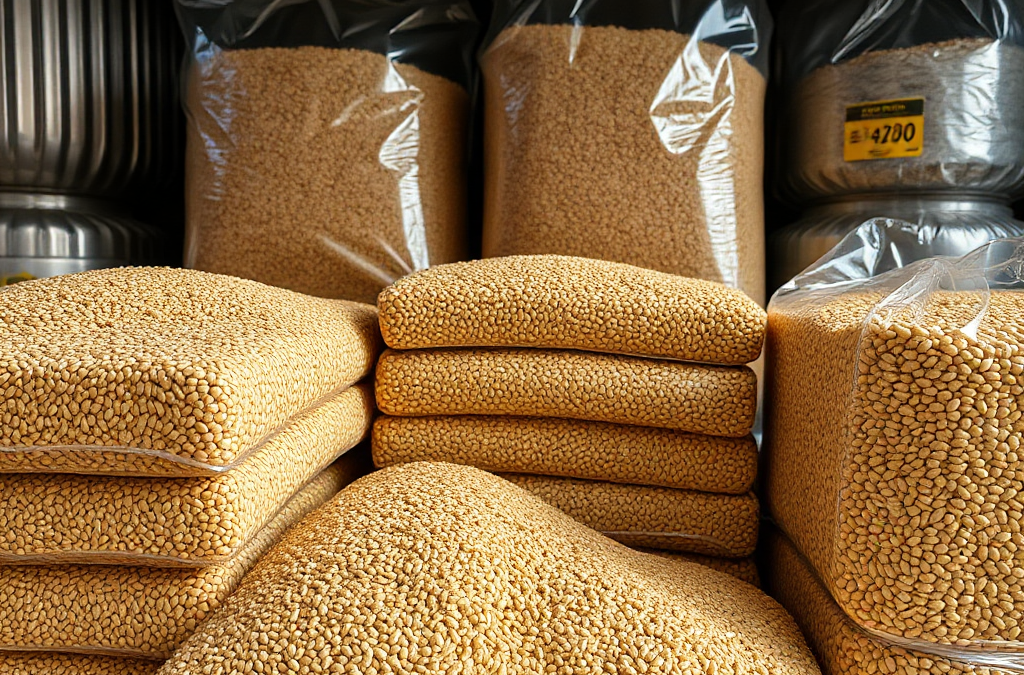
Creating a grain storage inventory involves systematically cataloging stored grains to ensure proper management and quality control. Start by identifying the types of grains stored, their quantities, and storage conditions, including temperature and humidity levels. Regularly update this inventory to track changes and prevent spoilage. Implementing a labeling system can further enhance organization and facilitate easy access to information about each grain type. This structured approach helps in optimizing storage space and maintaining grain quality.
Understanding the Importance of a Grain Storage Inventory
Creating a grain storage inventory is crucial for effective management of stored grains. Proper inventory management enables farmers and grain handlers to track the quantity and quality of grains, ensuring they meet market demands and storage standards. Without an accurate inventory, it is easy to overlook spoilage, pest infestations, or inventory mismanagement, leading to financial losses and wasted resources. Additionally, an organized inventory helps in making informed decisions regarding grain sales, storage, and processing, thereby optimizing operational efficiency.
Steps to Create an Effective Grain Storage Inventory
To create an effective grain storage inventory, follow these essential steps:
- Identify Grain Types: Begin by listing all types of grains stored. This could include wheat, corn, barley, and oats. Knowing the different types will help in managing specific requirements for each type.
- Record Quantities: Accurately measure and record the quantities of each grain type. This could be done using weight scales or volume measurements, depending on the storage method.
- Document Storage Conditions: Note the storage conditions for each grain type, including temperature, humidity, and any pest control measures in place. These factors significantly impact grain quality.
- Implement a Labeling System: Create a labeling system that allows for easy identification of each grain type. Labels should include details such as the grain type, quantity, storage date, and any specific handling instructions.
- Regular Updates: Establish a routine for updating the inventory. This should include regular checks to monitor grain conditions and quantities, as well as adjustments for any new grains added or existing grains sold.
By following these steps, you can ensure a comprehensive and effective grain storage inventory that facilitates better management and quality assurance.
Common Mistakes to Avoid
When creating a grain storage inventory, it’s essential to be aware of common pitfalls that can undermine its effectiveness:
- Lack of Regular Updates: Failing to regularly update the inventory can lead to outdated information, which may result in losses due to spoilage or overstocking.
- Poor Documentation: Inadequate documentation of storage conditions can lead to unnoticed changes that affect grain quality. Ensure that all relevant factors are recorded accurately.
- Ignoring Pest Management: Neglecting to monitor for pests can result in significant damage to stored grains. Include pest control measures in your inventory management practices.
- Overlooking Staff Training: Ensure that all staff involved in grain handling and inventory management are adequately trained. Miscommunication can lead to errors in inventory records.
Avoiding these mistakes will enhance the reliability and effectiveness of your grain storage inventory.
Get Whole Wheat Flour, Grains and Milling Supplies – CLICK HERE

Maintaining Your Grain Storage Inventory
Maintaining a grain storage inventory is an ongoing process that requires diligence and attention to detail. Here are some key practices to ensure effective maintenance:
- Routine Inspections: Schedule regular inspections of stored grains to assess their condition. Look for signs of spoilage, pest activity, and moisture levels.
- Update Records Promptly: Whenever there is a change in inventory, such as the sale of grains or the introduction of new stock, update your records immediately to maintain accuracy.
- Review Storage Conditions: Regularly check that storage conditions remain optimal for each grain type. Adjustments may be necessary based on seasonal changes or other factors.
- Engage Staff: Involve all relevant team members in the inventory management process. Regular training sessions can help reinforce the importance of accurate record-keeping and maintenance practices.
By implementing these maintenance practices, you can ensure that your grain storage inventory remains effective and supports the overall management of your grain operations.
Get Whole Wheat Flour, Grains and Milling Supplies – CLICK HERE
Auto Amazon Links: No products found.