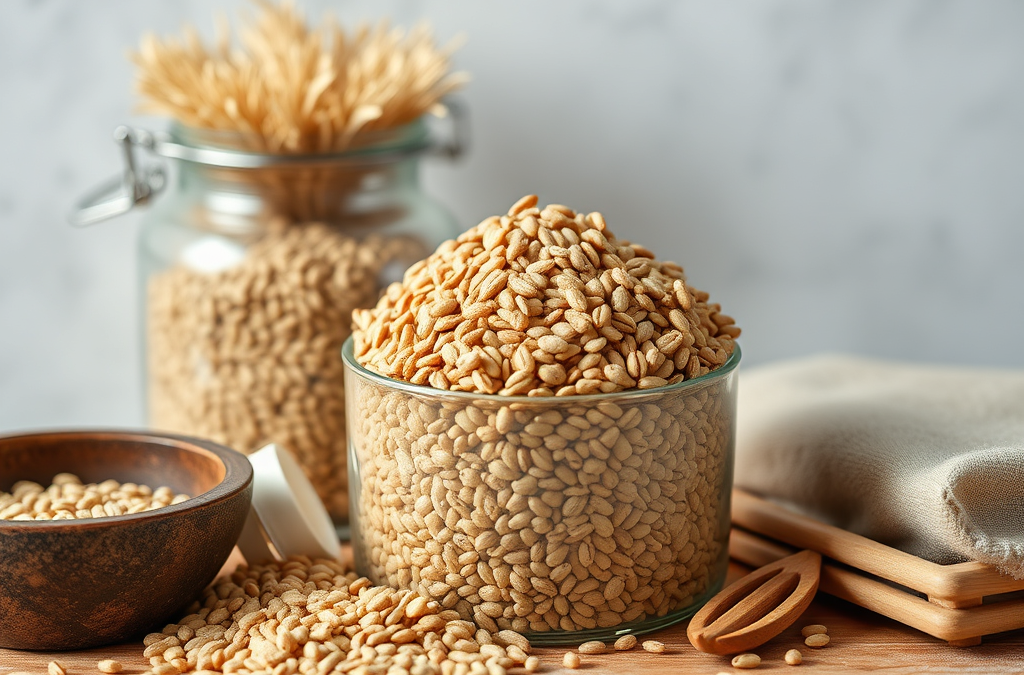
To maximize the nutritional value of grains, store them in a cool, dry, and dark environment, ideally between 50°F to 70°F (10°C to 21°C) with humidity levels below 15%. Using airtight containers helps prevent moisture and pest contamination, which can degrade essential nutrients. Regularly inspect your stored grains for signs of spoilage or infestation, and practice stock rotation to maintain freshness. Avoid placing grains near heat sources, as high temperatures can accelerate nutrient loss and spoilage, ensuring that your grains remain a healthy dietary staple.
Understanding Grain Composition and Nutritional Value
Grains are a staple food source worldwide, providing essential nutrients such as carbohydrates, proteins, vitamins, and minerals. Their nutritional value can be significantly affected by storage methods. Whole grains, which retain their bran and germ, are more nutritious than refined grains. Understanding the composition of grains is crucial for maximizing their health benefits.
The bran and germ contain most of the fiber, vitamins, and minerals, while the endosperm primarily consists of starchy carbohydrates. When grains are stored improperly, these vital nutrients can degrade, leading to a loss of health benefits. For example, exposure to oxygen can cause oxidation, leading to rancidity, particularly in grains with higher oil content like oats and flaxseed.
Therefore, knowing how to store grains properly can help maintain their nutritional integrity and ensure they remain a healthy part of your diet.
Optimal Storage Conditions for Grains
To maximize the nutritional value of grains, they need to be stored under specific conditions. The ideal storage environment is cool, dry, and dark, as these factors significantly influence grain longevity and quality. A temperature range of 50°F to 70°F (10°C to 21°C) is optimal, while humidity levels should be kept below 15%.
High temperatures can accelerate the deterioration of grains, causing nutrient loss and promoting spoilage. For example, storing grains in a hot kitchen or near appliances that generate heat can lead to a shorter shelf life. Similarly, humidity can encourage mold growth and pest infestations, which can compromise the quality of your grains.
Using a hygrometer can help monitor humidity levels, while a thermometer can keep track of temperature. If you live in a particularly humid area, consider using a dehumidifier or silica gel packets to absorb excess moisture in your storage area.
Choosing the Right Storage Containers
The choice of storage containers significantly impacts the quality of grains. Airtight containers are crucial for preventing moisture and pests from entering. Glass jars, food-grade plastic containers, and metal canisters are excellent options. Each material has its benefits: glass is non-reactive, plastic is lightweight, and metal is durable.
When selecting containers, ensure they are clean and dry before use. It’s advisable to label each container with the grain type and storage date to facilitate rotation and monitoring. For long-term storage, consider vacuum sealing, which removes air and minimizes the risk of spoilage.
Additionally, avoid storing grains in their original packaging if it is not airtight. Paper or cardboard bags are not suitable for long-term storage, as they do not provide adequate protection against moisture and pests.
Common Mistakes in Grain Storage
Many people unknowingly make mistakes that can compromise the quality of their grains. One common error is neglecting to check for pests regularly. Grain weevils and other pests can infest stored grains, leading to significant losses. Inspecting grains periodically is essential to catch any infestations early.
Another mistake is failing to rotate stock. Using older grains first ensures that you consume them before they spoil. A first-in, first-out (FIFO) method is effective for managing grain inventory.
Get Whole Wheat Flour, Grains and Milling Supplies – CLICK HERE

Lastly, many individuals do not consider the impact of light on grain storage. Exposure to light can degrade vitamins and cause rancidity in oils found in grains. Always store grains in dark containers or in a dark area to protect them from light.
Frequently Asked Questions
What is the best way to store grains long-term?
The best way to store grains long-term is in airtight containers kept in a cool, dry, and dark environment, ideally at temperatures around 50°F to 70°F.
How can I tell if my stored grains are still good?
Check for signs of spoilage such as off odors, discoloration, or insect infestations. If any of these signs are present, it's best to discard the grains.
Can I freeze grains for storage?
Yes, freezing grains can extend their shelf life. Store them in airtight bags or containers to prevent freezer burn.
How often should I check my grain storage?
Inspect your grain storage every few months for pests and spoilage to ensure they remain safe and fresh.
What types of containers are best for storing grains?
Airtight containers made from glass, food-grade plastic, or metal are best for storing grains, as they protect against moisture and pests.
Conclusion
Proper grain storage is essential for maintaining their nutritional value and ensuring they remain safe to eat. By understanding the composition of grains, optimizing storage conditions, choosing the right containers, and avoiding common mistakes, you can significantly extend the shelf life and health benefits of your grains. Regular checks and rotations of your stock will further enhance your grain storage practices, allowing you to enjoy their full nutritional potential.
Get Whole Wheat Flour, Grains and Milling Supplies – CLICK HERE
Auto Amazon Links: No products found.
Further Reading
Authoritative Sources
- 3 Best Practices for Preventing Spoilage During Grain Storage
blog.kett.comPrevent grain spoilage with 3 proven strategies: moisture monitoring, proper aeration, and safe storage charts for corn, soybeans, canola, ...
- Grains, Nuts, Seeds: How to Properly Store Your Bulk Treats
veganvstravel.comTo keep them in peak condition, store grains in cool, dry places away from direct sunlight, because direct sunlight can degrade their quality ...
- How to Store Grains for Long Time | Wheat Storage Guide
uplexinfra.comProper drying, cleaning, moisture control, and selecting the right storage system are the foundations of effective storage of wheat and other grains.
- Grain Storage Essentials: Best Practices and Innovations
weskangrain.comBy maintaining a cooler grain temperature, preferably below 15°C, one can significantly reduce the risk of insect and mold growth. Maintaining ...