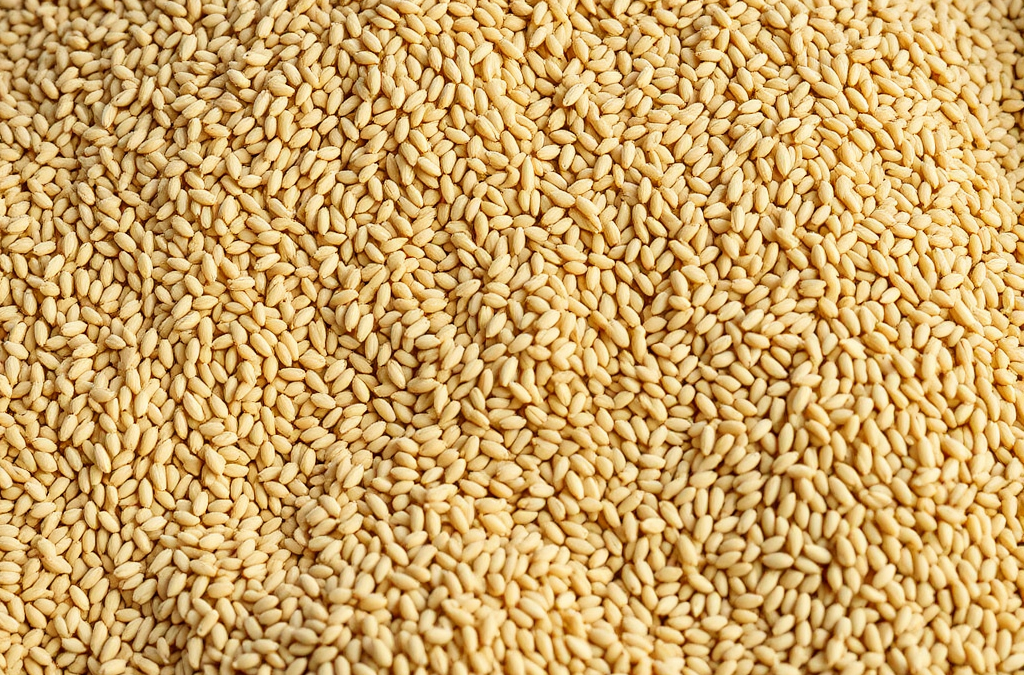
To troubleshoot grain storage issues, first identify common problems such as moisture buildup, pest infestations, and temperature fluctuations. Regularly inspect storage conditions and ensure proper ventilation to prevent moisture accumulation, which can lead to spoilage. Implement pest management strategies, and monitor temperature to maintain optimal grain quality. Addressing these factors promptly can help preserve grain integrity and prevent significant losses.
Identifying Common Grain Storage Problems
Understanding how to troubleshoot grain storage issues begins with recognizing the most prevalent problems that can affect stored grains. Moisture is a significant concern as it can lead to mold growth and spoilage. Pests, including insects and rodents, can compromise grain quality and safety. Additionally, temperature variations can cause condensation and deterioration of the grain.
Regular inspections are crucial for identifying these issues. Look for signs of moisture, such as dampness or mold, and check for pest activity, including droppings or damaged packaging. By being proactive, you can mitigate serious problems before they escalate.
Effective Solutions for Moisture Control
Moisture control is vital for maintaining the quality of stored grains. To troubleshoot grain storage issues related to moisture, ensure that your storage facility is well-ventilated to allow for proper air circulation. This can significantly reduce humidity levels and prevent moisture accumulation.
Consider using moisture meters to monitor grain moisture content regularly. Ideally, grains should be stored at moisture levels below 14% to minimize the risk of spoilage. If moisture levels are too high, consider using a drying system or placing desiccants in the storage area to absorb excess moisture. Additionally, proper sealing of storage containers can help prevent water ingress during rainy seasons.
Managing Pest Infestations in Grain Storage
Pest infestations can be detrimental to grain storage. To effectively troubleshoot grain storage issues related to pests, start by implementing a robust pest management plan. This includes regular inspections and maintaining cleanliness in the storage area. Any spilled grains should be cleaned up immediately as they can attract pests.
Consider using traps and baits to monitor and control pest populations. In severe cases, professional pest control services may be required to manage significant infestations. Additionally, using airtight containers can help deter pests from accessing stored grains.
Temperature Regulation in Grain Storage
Temperature regulation is essential to prevent spoilage and maintain grain quality. Fluctuations in temperature can lead to condensation, which contributes to moisture buildup. To troubleshoot grain storage issues related to temperature, ensure that your storage facility is insulated and equipped with temperature control systems.
Regularly monitor the temperature within the storage area using thermometers, and aim to maintain a consistent temperature. For most grains, a temperature range of 50°F to 70°F is optimal. If temperatures rise, consider using fans or cooling systems to stabilize conditions. Proper airflow is crucial, especially during warmer months, to prevent heat build-up.
Get Whole Wheat Flour, Grains and Milling Supplies – CLICK HERE

Frequently Asked Questions
What are the signs of moisture problems in grain storage?
Signs include dampness, mold growth, and musty odors, indicating that moisture levels are too high.
How can I prevent pests in my grain storage?
Keep the storage area clean, seal containers tightly, and use traps or baits to monitor and control pest populations.
What temperature is best for storing grains?
The ideal temperature range for storing most grains is between 50°F and 70°F to minimize spoilage risks.
How often should I inspect my grain storage?
Regular inspections should be conducted at least once a month to catch any issues early.
What moisture level is safe for stored grains?
Grains should ideally be stored at moisture levels below 14% to prevent spoilage and mold growth.