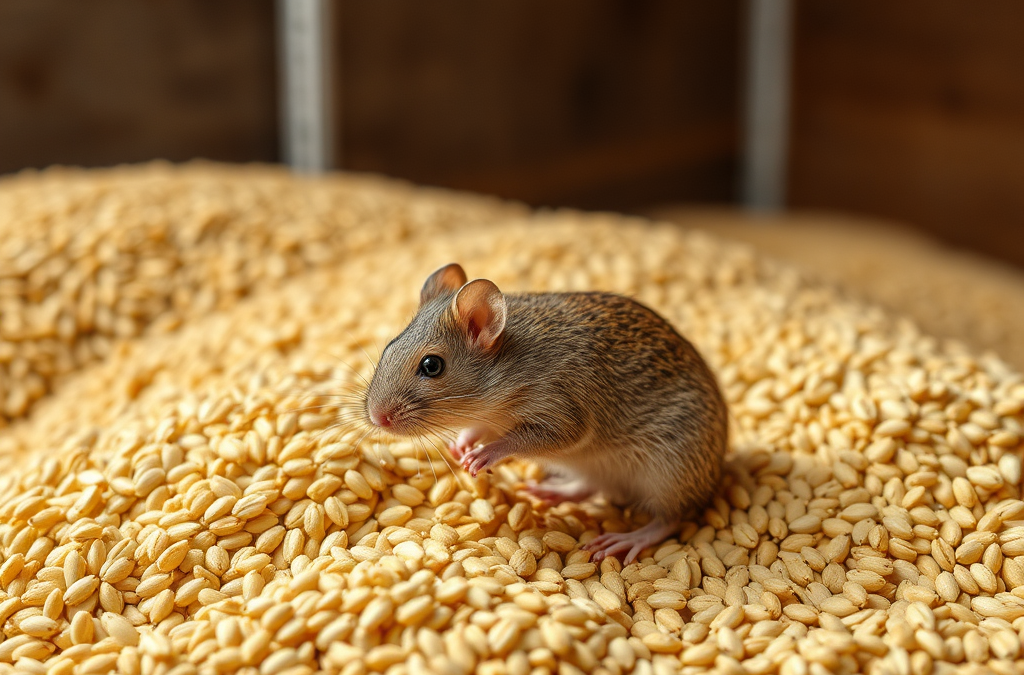
To keep grains safe from rodents, it is essential to implement effective storage solutions and preventive measures. Use rodent-proof containers, such as metal bins with tight-fitting lids, to prevent access. Maintain cleanliness in storage areas, as clutter can attract rodents. Regularly monitor for signs of rodent activity and employ traps or natural deterrents to minimize risks. Additionally, elevate storage to reduce nesting opportunities and limit access points, ensuring the quality and safety of your grains.
Understanding Rodent Behavior and Risks
Rodents are notorious for invading grain storage areas, posing significant risks to the quality and safety of stored grains. Their behavior is driven by the search for food, shelter, and nesting sites. Understanding their habits is crucial for implementing effective prevention strategies. Rodents can reproduce rapidly, with a single pair producing dozens of offspring in a year, leading to potential infestations if not controlled. This can result in not only the loss of grain through consumption but also contamination through droppings and urine.
Rodents typically seek out dark, secluded areas to nest, making grain storage facilities particularly vulnerable. They can chew through various materials, including cardboard and plastic, to access food sources. This behavior highlights the importance of robust storage solutions and proactive measures. Common types of rodents affecting grain storage include mice, rats, and squirrels, each requiring tailored strategies for control and prevention.
Effective Storage Solutions for Grains
Implementing effective storage solutions is the first line of defense against rodent infestations. Utilizing rodent-proof containers is essential. Metal bins with tight-fitting lids are ideal, as they prevent rodents from accessing the grains. Plastic containers can also be effective but must be sturdy enough to resist chewing. Avoid using cardboard boxes, as they are easily damaged and provide nesting materials.
In addition to choosing the right containers, the location of grain storage is critical. Store grains in elevated areas if possible, as this can deter rodents from accessing them. Keep storage areas clean and organized, removing any spilled grains or debris that could attract rodents. Regularly inspect storage facilities for signs of rodent activity, such as droppings or gnaw marks, and address these issues immediately to prevent escalation.
Preventive Measures to Deter Rodents
Prevention is key in keeping grains safe from rodents. Sealing entry points is one of the most effective strategies. Inspect buildings for gaps, cracks, and holes, particularly around windows, doors, and foundations. Use caulk, steel wool, or other appropriate materials to seal these openings. Regular maintenance of building exteriors is essential in preventing rodent entry.
In addition to sealing entry points, consider employing natural deterrents. Certain scents, such as peppermint or vinegar, can repel rodents. Placing cotton balls soaked in these substances near potential entry points may help discourage them. Additionally, maintaining a tidy environment around storage areas is crucial; keep vegetation trimmed and remove any clutter that could provide shelter for rodents.
Monitoring and Maintenance Practices
Regular monitoring and maintenance practices are essential for ensuring ongoing protection against rodents. Schedule routine inspections of storage areas to check for signs of rodent activity. Look for droppings, gnaw marks, and nesting materials, and address any issues promptly. Traps can be an effective part of a monitoring strategy; place them in areas where rodent activity is suspected.
Additionally, consider employing a pest control professional for more severe infestations. They can provide expert advice and effective solutions tailored to the specific situation. Education is also vital; train staff on the importance of maintaining cleanliness and monitoring for rodent signs. A proactive approach will significantly reduce the risk of rodent-related issues in grain storage.
Get Whole Wheat Flour, Grains and Milling Supplies – CLICK HERE

Frequently Asked Questions
What are the common signs of rodent infestations?
Common signs include droppings, gnaw marks on containers, nests made of shredded materials, and unusual noises at night.
How can I naturally deter rodents?
Natural deterrents include using essential oils like peppermint and maintaining cleanliness to avoid attracting them.
What types of containers are best for storing grains?
Metal bins with tight-fitting lids are best, as they are resistant to rodent chewing. Sturdy plastic containers can also work if they are durable.
How often should I check my grain storage for rodents?
Regular inspections should be conducted monthly, or more frequently if rodent activity is suspected.
Can rodents contaminate stored grains?
Yes, rodents can contaminate grains with their droppings and urine, making the food unsafe for consumption.