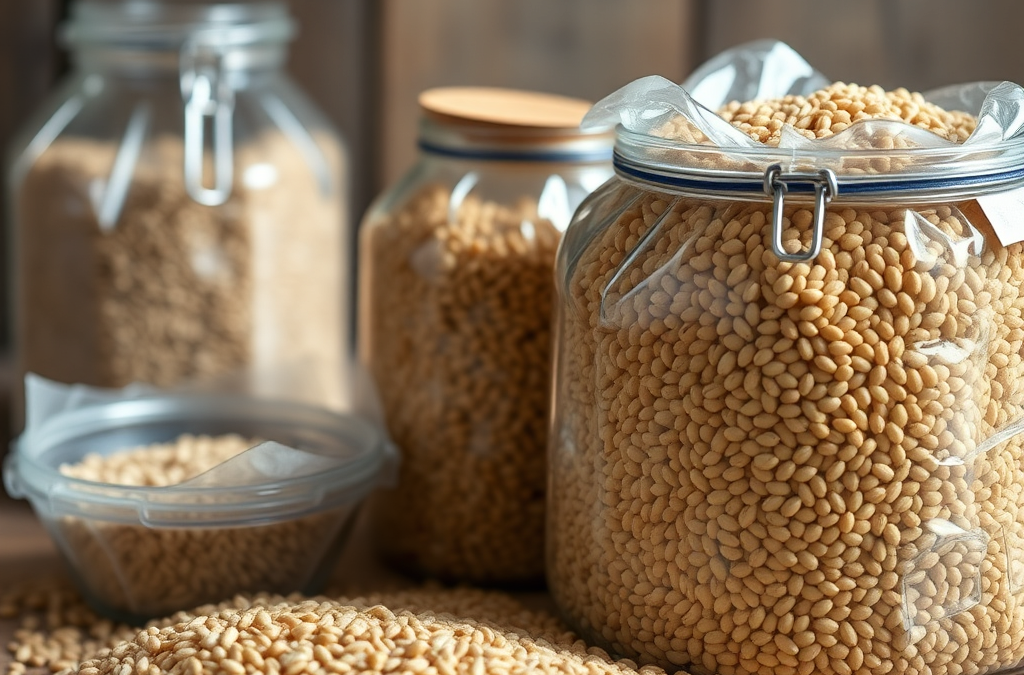
Common mistakes when storing grains for emergencies include using non-airtight containers, neglecting pest control, and failing to monitor temperature and humidity. These oversights can lead to spoilage, pest infestations, and nutrient loss. To prevent these issues, always opt for airtight, pest-resistant containers and store grains in a cool, dry location. Regularly inspect your storage area for signs of pests and moisture to maintain the quality and safety of your emergency food supply.
Importance of Proper Grain Storage for Emergencies
Storing grains properly for emergencies is crucial for ensuring food security and maintaining nutritional value during challenging times. Understanding the importance of effective grain storage practices helps prevent spoilage, pest infestations, and nutrient loss. Long-term grain storage not only provides a reliable food source but also saves money and reduces waste.
When grains are stored incorrectly, they can become infested with pests, develop mold, or lose their nutritional integrity. For instance, improperly sealed containers can allow moisture and air to enter, leading to spoilage. Therefore, knowing the common mistakes in grain storage can help individuals and families prepare effectively for emergencies.
Common Mistakes in Grain Storage
One of the most significant mistakes when storing grains for emergencies is failing to use airtight containers. Grains exposed to air can absorb moisture, leading to mold growth and spoilage. Additionally, using inappropriate materials, such as cardboard boxes or plastic bags, can compromise the integrity of stored grains.
Another common error is neglecting to implement pest control measures. Pests like weevils and rodents can quickly infest grain supplies, rendering them inedible. Regular inspections and using pest-resistant containers can mitigate this risk.
Inadequate temperature and humidity control also pose risks to grain quality. Grains should be stored in a cool, dry place to prevent spoilage. High humidity can lead to condensation inside containers, creating an environment conducive to mold growth.
Best Practices for Long-Term Grain Preservation
To ensure grains remain safe and nutritious during storage, it is essential to follow best practices. First, select high-quality grains free from any signs of damage or infestation. Before storing, grains should be cleaned and dried thoroughly to remove any contaminants.
Using food-grade, airtight containers is crucial for protecting grains from moisture and pests. Glass jars, vacuum-sealed bags, and mylar bags with oxygen absorbers are excellent choices. These containers not only preserve freshness but also prolong shelf life.
Regularly checking stored grains for signs of spoilage or pest activity is vital. Implementing a rotation system can help ensure older grains are used first, minimizing waste and maintaining freshness.
Practical Tips for Emergency Grain Storage
When preparing for emergencies, consider creating a detailed inventory of stored grains. Label containers with storage dates and types of grains to facilitate easy access and monitoring. This practice helps in evaluating the shelf life and planning for usage.
Educating family members about proper grain handling and storage techniques can also contribute to successful emergency preparedness. Sharing knowledge about recognizing pests and spoilage signs ensures everyone is equipped to maintain grain quality.
Get Whole Wheat Flour, Grains and Milling Supplies – CLICK HERE

Lastly, consider diversifying your grain storage. Storing various types of grains can provide a more balanced diet during emergencies and reduce reliance on a single food source.
Frequently Asked Questions
What are the best containers for storing grains?
Food-grade, airtight containers such as glass jars, vacuum-sealed bags, or mylar bags with oxygen absorbers are ideal for storing grains.
How can I tell if my stored grains are spoiled?
Check for unusual smells, discoloration, or the presence of pests. If grains are clumpy or have a musty odor, they may be spoiled.
What is the ideal temperature for grain storage?
Grains should be stored in a cool, dry place, ideally at temperatures below 70°F (21°C) to prevent spoilage and pest activity.
How long can grains be stored?
Depending on the type, properly stored grains can last anywhere from 6 months to several years. Whole grains typically have a shorter shelf life than processed grains.
What should I do if I find pests in my stored grains?
If pests are found, discard infested grains immediately. Clean the storage area thoroughly and consider using pest-resistant containers for future storage.
Conclusion
Proper storage of grains for emergencies is essential for maintaining food quality and ensuring a reliable food supply. By avoiding common mistakes such as improper sealing and neglecting pest control, individuals can safeguard their grain stocks. Implementing best practices like using airtight containers and regular monitoring will enhance the effectiveness of emergency preparedness efforts. Prioritize education and organization to maximize the benefits of your grain storage strategy.
Get Whole Wheat Flour, Grains and Milling Supplies – CLICK HERE
Auto Amazon Links: No products found.
Further Reading
Authoritative Sources
- 8 Emergency Food Storage Mistakes Most Families Make
numanna.comLabel items with purchase dates · Check seals annually · Use and replace older items first · Maintain an inventory spreadsheet for your emergency food storage.
- Long Term Food Storage Mistakes to Avoid
shtfprepperclub.comThe biggest mistakes include improper temperature control, using wrong containers, neglecting FIFO rotation, and failing to protect food from ...
- Long-Term Food Preservations Methods
grow.ifa.coopIt's important to label and date your containers, rotate your stock to use older items first and keep your storage area cool and dark to prevent spoilage.
- Food Storage in Home
extension.usu.eduWhen food is stored too long, there is the risk of two things happening: 1) color, flavor, aroma, texture or appearance deteriorate to a level where people will ...