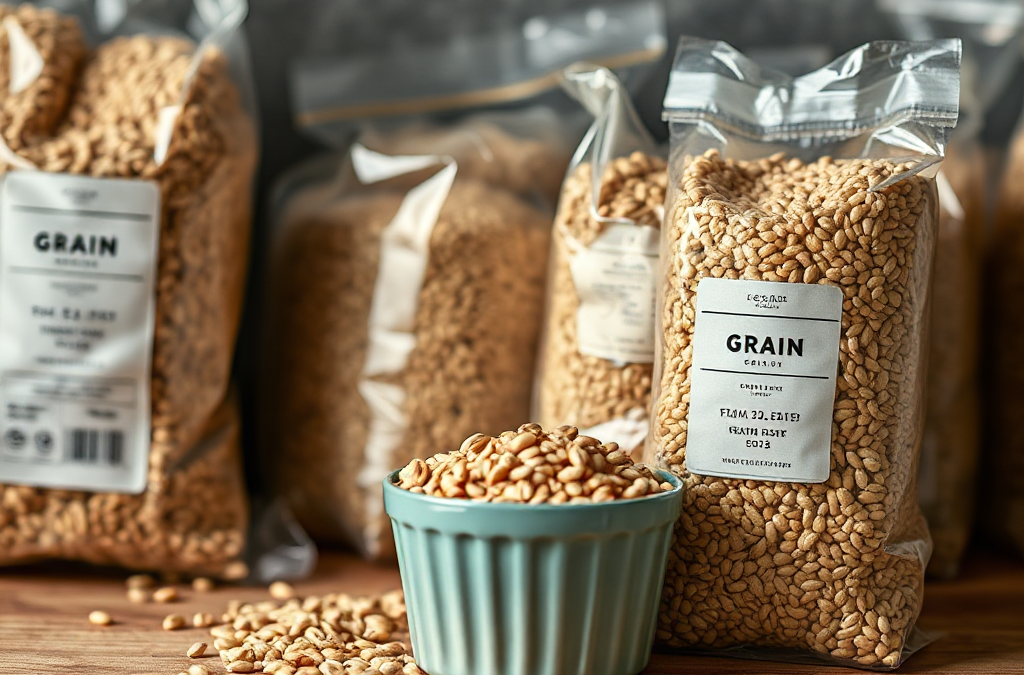
Common misconceptions about grain shelf life often lead to unnecessary waste and improper storage practices. Many people wrongly assume that grains last indefinitely, while others mistakenly believe that the expiration date is the only indicator of quality. Proper storage conditions, such as maintaining a cool, dry environment, are crucial to prolonging shelf life. Additionally, understanding the impact of factors like humidity and temperature can help preserve grain quality and prevent spoilage.
The Role of Expiration Dates in Grain Shelf Life
Expiration dates on grain packaging can often be misleading. Many consumers assume that once the expiration date has passed, the grain is no longer safe to eat. However, this is not necessarily true. Expiration dates are typically set by manufacturers to indicate peak freshness rather than safety. grains can remain edible well beyond this date if they have been stored correctly. Understanding this distinction is essential for reducing food waste and ensuring that grains are used efficiently.
For example, dried beans, rice, and wheat can last for years if kept in a cool, dry place. The key is to monitor their condition rather than relying solely on printed dates. Regularly checking for signs of spoilage or changes in texture can help determine the usability of grains.
Optimal Storage Conditions for Grains
Storing grains properly is crucial to extending their shelf life. The ideal conditions for grain storage involve maintaining a consistent temperature, low humidity, and protection from pests. Grains should be kept in airtight containers to prevent moisture ingress, which can lead to spoilage.
For instance, storing grains in glass jars or vacuum-sealed bags can significantly enhance their longevity. A cool, dark pantry or a dedicated storage room is often preferable to storing grains in areas with fluctuating temperatures, such as garages or near ovens. Furthermore, understanding the specific needs of different types of grains can aid in their preservation. Whole grains, for example, tend to have a shorter shelf life compared to refined grains due to their higher oil content.
Understanding Grain Quality and Spoilage
Grain quality can decline due to several factors, including exposure to light, heat, and moisture. When grains absorb moisture, they become susceptible to mold growth and insect infestations. Recognizing the signs of spoilage is vital for maintaining grain quality.
Common indicators of spoiled grains include off odors, discoloration, or an unusual texture. For example, if rice develops a musty smell or if flour appears clumpy, these are clear signs that the grains are no longer safe to consume. Regular inspections of stored grains can help identify these issues early, allowing for timely disposal and replacement.
Common Misconceptions and Their Consequences
One prevalent misconception is that all grains can be stored indefinitely without any consequences. While some grains can last a long time, they will still degrade in quality over time. Another misunderstanding is that the presence of insects or small pests means that the entire batch of grain is ruined. only the affected portions need to be discarded. Understanding these misconceptions can help consumers make better decisions about grain storage and usage.
Furthermore, many people believe that freezing grains extends their shelf life significantly. While freezing can kill pests and prevent spoilage, it is not a guarantee that the grains will remain fresh indefinitely. The process of freezing and thawing can also alter the texture of some grains, making them less desirable for certain culinary uses.
Frequently Asked Questions
How can I tell if my grains are still good to eat?
Check for off odors, discoloration, or clumping. If the grains smell musty or have changed texture, they may be spoiled.
What is the best way to store grains for long-term use?
Store grains in airtight containers in a cool, dry place to prevent moisture and pest exposure, enhancing their shelf life.
Can grains be frozen to extend their shelf life?
Yes, freezing can kill pests and prevent spoilage, but it may alter the texture of certain grains, affecting their culinary use.
Are all grains stored the same way?
No, different grains have different storage needs. Whole grains require more careful storage due to their oil content compared to refined grains.
What are the consequences of ignoring grain expiration dates?
Ignoring expiration dates can lead to food waste and potential health risks if grains are consumed after they spoil, even if they appear fine.
Conclusion
Understanding the common misconceptions about grain shelf life is crucial for effective management of food resources. By recognizing the importance of proper storage conditions and the reality of expiration dates, consumers can minimize waste and ensure the safety of their grain products. Regular checks for quality and spoilage signs can further enhance grain longevity. Prioritizing these practices can lead to better nutrition and more responsible food consumption.
Get Whole Wheat Flour, Grains and Milling Supplies – CLICK HERE

Auto Amazon Links: No products found.