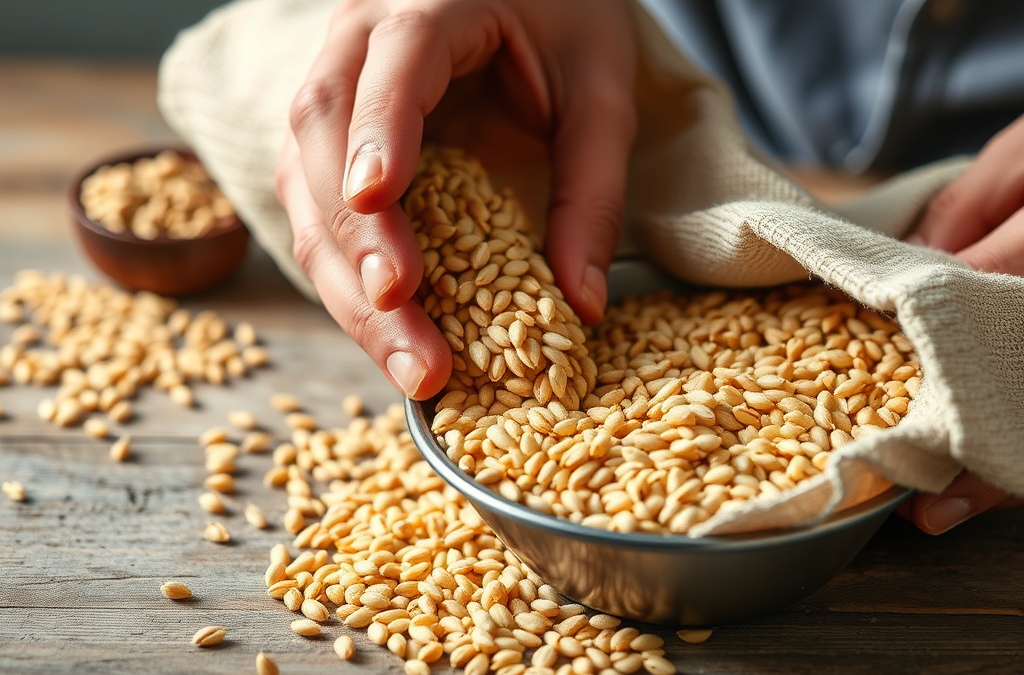
Temperature fluctuations have a profound impact on grain quality, affecting moisture levels, structural integrity, and nutrient retention. For instance, rapid temperature increases can cause moisture migration, leading to mold growth and spoilage. To counteract these effects, it is vital to maintain consistent storage conditions and utilize effective cooling techniques. Regular temperature monitoring can help prevent the physical damage that results from extreme fluctuations, ensuring grains remain viable and marketable.
Understanding Temperature Fluctuations
Temperature fluctuations refer to the variations in temperature that can occur in grain storage environments. These changes can be caused by external factors such as seasonal transitions, weather patterns, and even the heat generated by stored grains themselves. Understanding these fluctuations is crucial because they can lead to significant consequences for grain quality.
Grains are sensitive to temperature, and even slight variations can affect their moisture content and overall integrity. For example, a sudden increase in temperature can lead to moisture migration within the grain, potentially causing mold growth or spoilage. Therefore, monitoring temperature levels in storage facilities is essential to maintain optimal conditions for grain preservation.
Effects on Grain Quality
Temperature fluctuations impact grain quality in several ways. First, they can alter the moisture content of the grains, which is critical for maintaining their viability and preventing spoilage. High temperatures can accelerate the drying process, while low temperatures can lead to condensation, creating an environment conducive to mold and insect infestations.
Moreover, temperature changes can affect the nutritional profile of grains. For instance, excessive heat can degrade essential nutrients, leading to a loss of quality and market value. Additionally, grains that experience wide temperature swings may suffer from physical damage, such as cracking or splitting, which can further compromise their quality and usability.
Practical Solutions for Temperature Control
Implementing effective temperature control measures is key to preserving grain quality. One effective solution is to invest in climate-controlled storage facilities that can maintain consistent temperature and humidity levels. Using insulated containers or silos can also help mitigate temperature fluctuations.
Regular monitoring of temperature and humidity levels is essential. This can be achieved through the use of digital temperature sensors and automated monitoring systems that alert grain handlers to any deviations from optimal conditions. Additionally, employing cooling systems, such as fans or refrigeration units, can help maintain stable temperatures, particularly during extreme weather conditions.
Get Whole Wheat Flour, Grains and Milling Supplies – CLICK HERE

Common Mistakes in Grain Storage
One common mistake in grain storage is failing to account for temperature fluctuations when planning storage strategies. Many grain handlers assume that once grains are stored, they can be left unattended. However, this approach can lead to significant quality degradation if temperature and humidity are not regularly monitored.
Another frequent error is not implementing adequate ventilation in storage facilities. Poor ventilation can exacerbate temperature fluctuations and lead to moisture buildup, creating a perfect environment for spoilage. Ensuring proper airflow and temperature regulation is crucial for maintaining grain quality over time.
In practice, strong results with Impact of Temperature Fluctuations on Grain Quality: Key Factors and Consequences usually come from repeating the same few priority actions long enough for them to become consistent. That means focusing on one clear standard, removing mixed signals, and watching what changes the outcome over several days instead of reacting to one isolated result. Small adjustments tend to work better than constant resets, because they make it easier to see what is actually helping and what is slowing progress.
Get Whole Wheat Flour, Grains and Milling Supplies – CLICK HERE
Auto Amazon Links: No products found.