
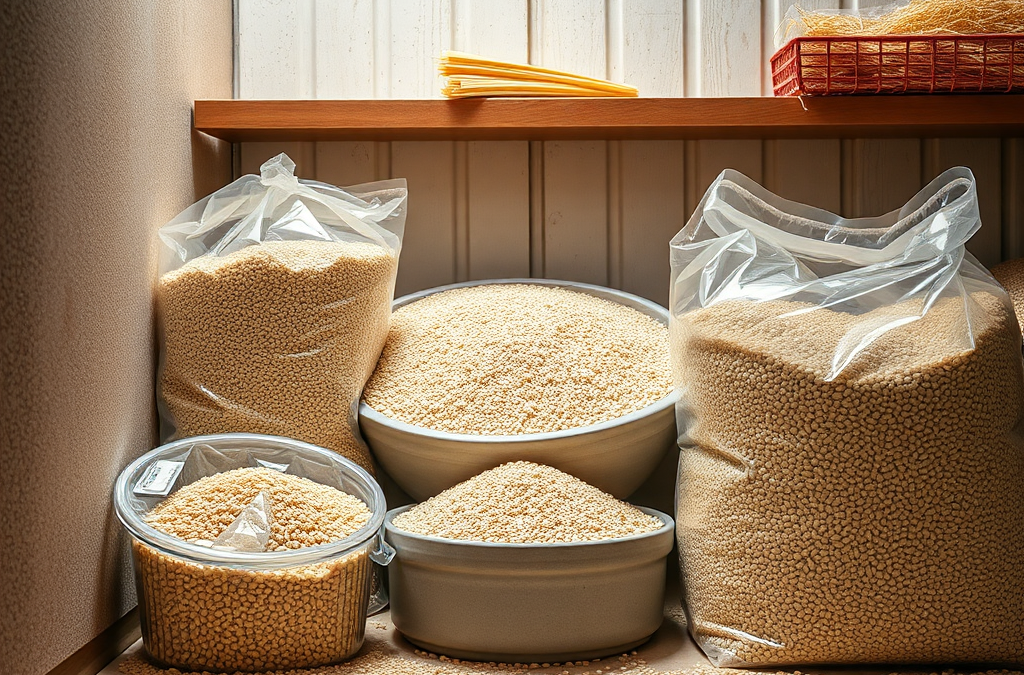
To avoid cross-contamination in grain storage, implement strict segregation of different grain types and regularly inspect storage conditions to prevent pest infestations and spoilage. Use dedicated storage containers and tools for each grain type while ensuring cleanliness in storage areas. Regular monitoring for moisture levels is crucial, as excess moisture can lead to mold and attract pests, causing contamination. Implementing these practices will help maintain grain quality and safety.
Understanding Cross-Contamination in Grain Storage
Cross-contamination in grain storage occurs when different types of grains mix, leading to quality degradation and potential safety risks. This can happen due to improper handling, shared storage spaces, or inadequate cleaning practices. It’s vital to recognize that cross-contamination can not only affect the physical properties of the grains but also introduce pests and pathogens, compromising the entire batch. Understanding the mechanisms behind cross-contamination is key to implementing effective prevention strategies.
For instance, storing wheat and oats in the same container without proper separation can lead to blending, which may affect the baking quality of the wheat or introduce allergens from the oats into the wheat. Additionally, pests attracted to one type of grain can easily spread to others if they share storage environments. By comprehensively understanding these risks, grain handlers can prioritize appropriate storage solutions.
Best Practices for Preventing Cross-Contamination
To effectively prevent cross-contamination, a systematic approach should be adopted that includes segregation, cleanliness, and diligent monitoring. First and foremost, segregate different types of grains. Use distinct containers, bins, or silos for each grain type, clearly labeling them to avoid confusion. This practice not only helps maintain the integrity of each grain type but also simplifies inventory management.
In addition to segregation, maintaining cleanliness in storage facilities is crucial. Regularly clean storage areas and equipment to eliminate residual grains that could cause contamination. Implementing a strict cleaning schedule ensures that no leftover materials can mix with new batches. Moreover, utilizing dedicated tools for handling each grain type minimizes the risk of cross-contamination.
Another significant practice involves monitoring the storage environment. Humidity and temperature control are essential, as high moisture levels can lead to mold growth and attract pests. Regularly check moisture content and ensure that grains are stored in a dry, well-ventilated space. By implementing these best practices, grain handlers can significantly reduce the risk of cross-contamination.
Common Mistakes to Avoid
Even with the best intentions, mistakes can occur in grain storage that lead to cross-contamination. One common mistake is neglecting to clean storage containers thoroughly before introducing new grains. Residue from previous batches can easily contaminate new grains, leading to quality issues. Always ensure containers are cleaned and dried before use.
Another pitfall is inadequate labeling of storage containers. Failing to clearly label containers can lead to accidental mixing of different grain types, especially in busy storage environments. Implement a labeling system that provides clear information about the contents, including the type of grain and the date of storage.
Additionally, overlooking pest management can result in significant contamination risks. Regular inspections for signs of pests and implementing preventive measures, such as traps or natural deterrents, are vital to maintaining a contaminant-free environment. By being aware of these common mistakes, grain handlers can take proactive steps to safeguard their storage practices.
Monitoring and Maintenance Strategies
Continuous monitoring and maintenance are essential aspects of preventing cross-contamination in grain storage. Establish a routine inspection schedule to check for signs of moisture, pests, and contamination. During inspections, look for any unusual odors, which can indicate spoilage or mold growth, and assess the overall condition of storage facilities.
Using technology can enhance monitoring efforts. Implementing moisture sensors or temperature control systems can provide real-time data on storage conditions, allowing for quick responses to any fluctuations that may threaten grain quality. Additionally, consider employing a record-keeping system to track moisture levels and pest activity over time, helping identify patterns and inform future storage decisions.
Get Whole Wheat Flour, Grains and Milling Supplies – CLICK HERE

Regular maintenance of storage equipment is equally important. Ensure that bins, silos, and other storage structures are in good repair to prevent leaks or structural failures that could compromise grain integrity. By prioritizing monitoring and maintenance, grain handlers can create a more resilient storage environment.
Frequently Asked Questions
What is cross-contamination in grain storage?
Cross-contamination in grain storage refers to the mixing of different types of grains, which can lead to quality degradation and safety issues.
How can I prevent cross-contamination?
Prevent cross-contamination by segregating different grain types, maintaining clean storage areas, and using dedicated handling tools.
What are the common mistakes in grain storage?
Common mistakes include inadequate cleaning of storage containers and neglecting pest management, which can lead to contamination.
Why is moisture control important in grain storage?
Moisture control is crucial as high humidity can promote mold growth and attract pests, leading to cross-contamination.
How often should I inspect my grain storage?
Regular inspections should be conducted at least monthly to check for signs of moisture, pests, and contamination.
Conclusion
Maintaining grain quality through effective storage practices is essential to prevent cross-contamination. By understanding the risks, implementing best practices, and avoiding common mistakes, grain handlers can ensure the integrity and safety of their products. Regular monitoring and maintenance further enhance these efforts, helping to create a secure storage environment. Prioritizing these strategies is essential for anyone involved in grain storage and handling.
Get Whole Wheat Flour, Grains and Milling Supplies – CLICK HERE
Related Content
Auto Amazon Links: No products found.
Further Reading
Authoritative Sources
- Whole Grains Council Grain Resources
wholegrainscouncil.orgPractical grain education covering whole grains, oats, milling context, and food-use guidance.
- USDA FoodData Central Grain Nutrition Data
fdc.nal.usda.govUSDA food composition data useful for oats, flour, meal, and grain-based nutrition references.
- USDA Agricultural Research Service
ars.usda.govAgricultural research resources related to grains, crops, processing, and food quality.





