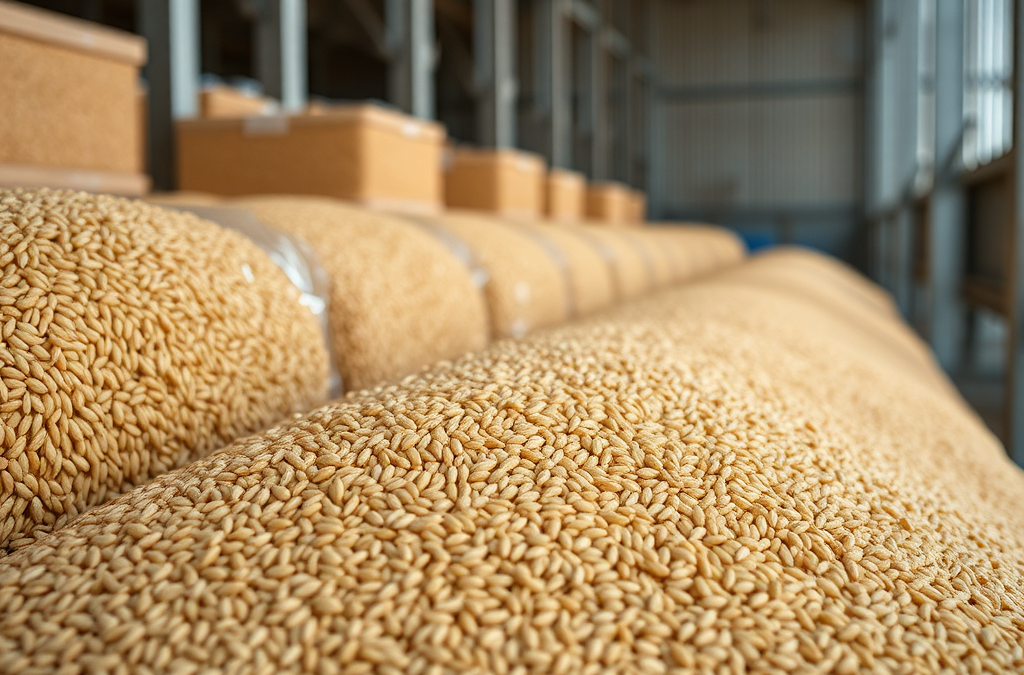
To measure the effectiveness of grain storage, focus on key factors such as moisture levels, temperature, and pest management. Regularly utilize moisture meters to ensure levels remain at or below 13%, as excess moisture can lead to spoilage and decreased market value. Implement temperature monitoring systems to maintain optimal conditions, ideally below 15°C (59°F), preventing microbial growth and insect activity. Additionally, conduct routine inspections for pests to safeguard grain quality. By actively managing these parameters, producers can significantly enhance storage efficiency and profitability.
Understanding Moisture Control
Moisture control is crucial in grain storage as excess humidity can lead to mold and spoilage. To effectively measure moisture levels, utilize moisture meters that provide immediate readings. Aim for a moisture content of 13% or lower for most grains to ensure optimal storage conditions. Regularly testing moisture levels allows for timely adjustments, such as using dehumidifiers or adjusting ventilation systems.
Consider the impact of moisture on grain quality; high moisture can lead to decreased market value and increased risk of storage losses. For example, a farmer storing corn at 15% moisture may face significant quality degradation over time. Therefore, establishing a routine for moisture assessment is vital for effective grain storage management.
Temperature Regulation in Storage
Temperature regulation is another key factor in measuring grain storage effectiveness. Maintaining an ideal temperature range prevents the growth of harmful microorganisms and preserves the integrity of the grains. Ideally, temperatures should be kept below 15°C (59°F) for long-term storage.
Implementing temperature monitoring systems can help track fluctuations. For instance, a grain silo equipped with temperature cables can provide real-time data, allowing for quick responses to potential issues. If temperatures rise above optimal levels, consider using cooling systems or aeration to lower them. Failure to manage temperature can lead to increased insect activity and spoilage, significantly impacting the quality and profitability of stored grains.
Pest Management Strategies
Effective pest management is essential for preserving stored grains. Regular inspections for signs of pests, such as insect damage or droppings, should be conducted to identify issues early. Implementing an Integrated Pest Management (IPM) approach can help control infestations while minimizing chemical use.
For example, using traps and monitoring devices can provide insights into pest activity levels. Additionally, maintaining cleanliness in storage areas and sealing entry points can significantly reduce the likelihood of pest issues. Remember, the cost of pest control is often far less than the potential losses from a pest infestation, making proactive management a critical component of effective grain storage.
Evaluating Storage Infrastructure
The infrastructure used for grain storage plays a significant role in its effectiveness. Assessing the condition of storage facilities, including silos and bins, is essential to ensure they are free from leaks and structural issues. Regular maintenance should be performed to keep storage areas in optimal condition.
For instance, when evaluating a grain bin, check for rust, corrosion, or any signs of wear that could compromise its integrity. Upgrading to modern, weather-resistant materials can enhance durability and efficiency. Investing in quality infrastructure can lead to significant long-term savings and improved grain preservation.
Frequently Asked Questions
What is the ideal moisture level for stored grains?
The ideal moisture level for most stored grains is 13% or lower to prevent spoilage and maintain quality.
How often should I check the temperature in grain storage?
Temperature should be monitored regularly, ideally daily or weekly, especially during warm months to prevent spoilage.
What pests are common in grain storage?
Common pests include grain weevils, moths, and rodents, all of which can cause significant damage if not managed.
How can I improve ventilation in grain storage?
Enhancing ventilation can be achieved through the installation of aeration systems or ensuring proper airflow around stored grains.
Why is infrastructure important for grain storage?
Quality infrastructure protects grains from environmental factors, pests, and moisture, ensuring their longevity and market value.
Conclusion
Measuring the effectiveness of grain storage involves a comprehensive approach that includes monitoring moisture levels, temperature control, pest management, and evaluating storage infrastructure. By prioritizing these elements, grain producers can significantly reduce losses and enhance the quality of their stored products. Regular assessments and the implementation of best practices will ensure grains remain in optimal condition, ultimately benefiting producers in the long run.
Get Whole Wheat Flour, Grains and Milling Supplies – CLICK HERE

Related Content
Auto Amazon Links: No products found.