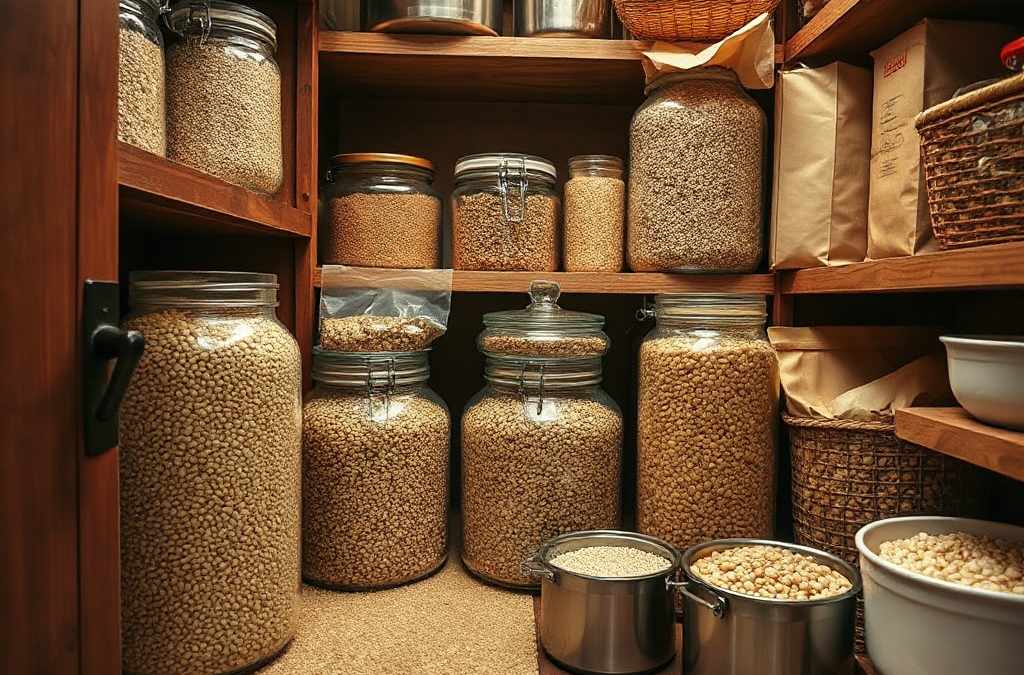
Maintaining an efficient grain storage system involves controlling moisture levels, ensuring proper ventilation, and regularly inspecting for pests. Moisture control is crucial to prevent spoilage and mold, while adequate ventilation helps maintain air quality and temperature. Regular inspections for pests, such as rodents or insects, can help mitigate damage and preserve grain quality. Implementing these strategies will significantly enhance the effectiveness of your grain storage system.
Understanding Moisture Control in Grain Storage
Moisture control is fundamental to maintaining an efficient grain storage system. Grains are highly sensitive to moisture; excessive humidity can lead to spoilage, mold growth, and pest infestations. To effectively manage moisture, it is essential to monitor the moisture content of the grains regularly, aiming for a level of 12% or lower for most grains. This can be achieved through the use of moisture meters, which provide accurate readings.
One common mistake is storing grains without prior drying, especially if they are harvested in high moisture conditions. This can lead to rapid deterioration. Additionally, storing grains in airtight containers without moisture control can create an environment conducive to mold growth. Therefore, it is crucial to balance moisture levels through proper drying and ventilation.
Another important aspect of moisture control is temperature management. Warmer temperatures can exacerbate moisture issues, leading to a higher risk of spoilage. Utilizing fans or temperature control systems can help maintain a consistent, cool environment for stored grains.
Importance of Proper Ventilation
Proper ventilation is vital for maintaining the quality of stored grains. Adequate airflow helps regulate temperature and humidity levels within storage facilities, reducing the risk of mold and pest infestations. Ventilation systems should be designed to facilitate airflow without allowing contaminants to enter the storage area.
A common misconception is that sealing grain storage completely will protect the grains from pests and moisture. However, this can lead to trapped moisture and heat, creating an ideal environment for spoilage. Instead, incorporate ventilation systems that allow fresh air circulation while filtering out pests and contaminants.
For example, using aeration fans can help maintain even temperatures and moisture levels throughout the grain mass. Regularly checking and maintaining these systems ensures they operate effectively and that grains remain in optimal condition.
Regular Inspections for Pests
Regular inspections are crucial for identifying and mitigating pest infestations in grain storage. Pests such as rodents, insects, and mold can significantly impact the quality and quantity of stored grains. Establishing a routine inspection schedule aids in early detection and intervention.
One effective strategy is to conduct visual inspections of stored grains every few weeks, looking for signs of pest activity such as droppings or damaged grains. Additionally, consider using traps and monitoring devices to detect pest presence. Maintaining cleanliness around storage areas is also essential, as clutter can attract pests.
Failing to address pest issues promptly can lead to severe losses, making proactive measures essential. Implementing an integrated pest management plan that includes sanitation, monitoring, and control methods can significantly reduce the risk of infestations.
Choosing the Right Storage Containers
The choice of storage containers plays a significant role in maintaining an efficient grain storage system. Containers must be durable, moisture-resistant, and capable of protecting grains from pests. Options include metal bins, plastic containers, and silo systems, each with its advantages and disadvantages.
For instance, metal bins are durable and provide excellent pest protection but can be prone to rust if not properly maintained. Plastic containers are lightweight and resistant to moisture but may not offer the same level of protection against pests. Assessing the specific needs of your grain type and storage environment will guide the selection process.
Get Whole Wheat Flour, Grains and Milling Supplies – CLICK HERE

It is also important to consider the size and capacity of containers. Overcrowding can lead to uneven airflow and moisture retention, increasing spoilage risks. Therefore, ensuring containers are appropriately sized for the volume of grain stored is essential for maintaining quality.
Frequently Asked Questions
What is the ideal moisture content for stored grains?
The ideal moisture content for most stored grains is 12% or lower to prevent spoilage and mold growth.
How often should I inspect my grain storage?
Regular inspections should be conducted every few weeks to monitor for pests and check the condition of the grains.
What type of storage container is best for grains?
Durable, moisture-resistant containers such as metal bins or high-quality plastic containers are recommended for effective grain storage.
How can I control pests in grain storage?
Implement an integrated pest management plan that includes regular inspections, sanitation practices, and monitoring for pest activity.
Why is ventilation important in grain storage?
Proper ventilation helps regulate temperature and humidity levels, reducing the risk of spoilage and pest infestations in stored grains.
Conclusion
Maintaining an efficient grain storage system is vital for preserving grain quality and preventing losses. Key practices include controlling moisture levels, ensuring proper ventilation, and conducting regular pest inspections. Additionally, selecting appropriate storage containers can significantly impact the effectiveness of your storage system. By implementing these strategies, you can safeguard your grains and ensure their longevity for future use.
Get Whole Wheat Flour, Grains and Milling Supplies – CLICK HERE
Auto Amazon Links: No products found.