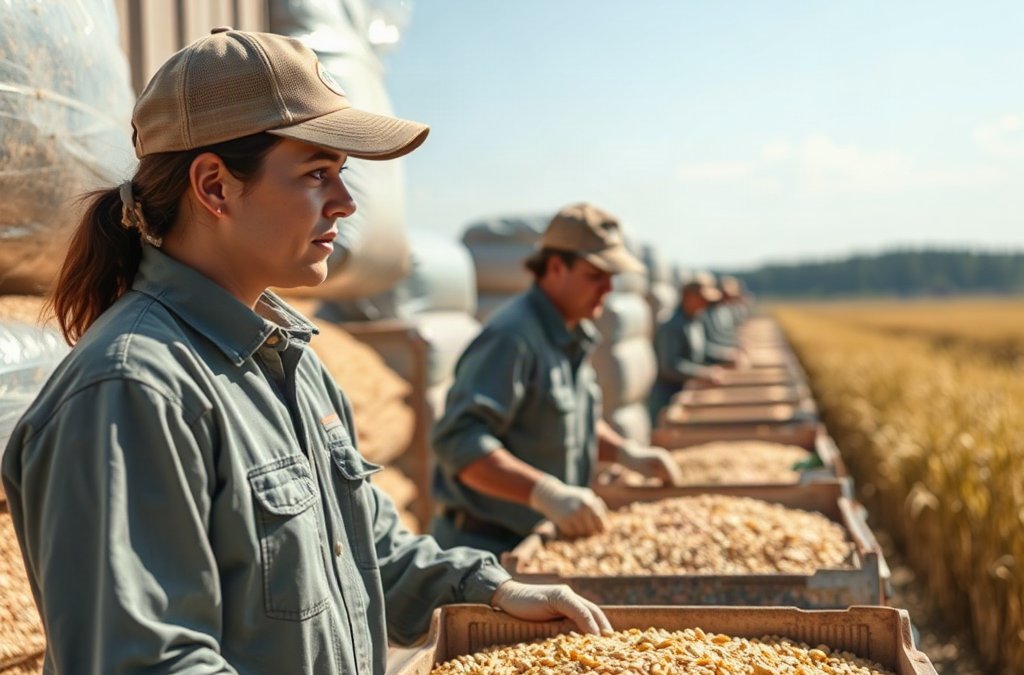
To prevent grain spoilage during transportation, it is essential to control moisture, temperature, and airflow. Use clean, dry, and breathable containers to facilitate ventilation and reduce moisture buildup. Regularly monitor the grain's moisture content, keeping it below 13-14% to minimize spoilage risks. Additionally, employing temperature and humidity sensors can help track environmental conditions, allowing for timely adjustments. Neglecting these factors can lead to mold growth and pest infestations, ultimately compromising grain quality.
Understanding Grain Spoilage Mechanisms
Grain spoilage primarily occurs due to moisture, temperature fluctuations, and pest infestations. Understanding these mechanisms is crucial for effective prevention. Moisture can lead to mold growth, while pests like weevils can infest stored grain, compromising its quality. Temperature control is vital; grains should ideally be transported within a temperature range that inhibits spoilage processes.
For instance, high humidity levels can accelerate microbial growth, while low temperatures can help slow down these processes. It’s important to recognize that different types of grains may have specific moisture thresholds that need to be maintained to ensure their integrity during transport.
Best Practices for Safe Grain Transport
Implementing best practices is essential to maintain grain quality during transportation. First, ensure that the transportation containers are clean and dry before loading the grain. Any residual moisture or contaminants can lead to spoilage.
Next, use breathable containers that allow for proper ventilation. This helps to maintain airflow and reduces the risk of moisture accumulation. Additionally, consider using desiccants or moisture-absorbing materials in the transport containers to further control humidity levels.
Regularly check the moisture content of the grain before and during transport. Keeping moisture levels below the recommended thresholds (usually around 13-14% for most grains) can significantly reduce spoilage risks.
Monitoring Conditions During Transport
Monitoring environmental conditions during transport is vital for preventing spoilage. Utilize temperature and humidity sensors to track conditions inside transport containers. These sensors can provide real-time data, allowing for immediate corrective actions if conditions deviate from the ideal range.
Regular inspections of the transport vehicle and the containers should also be conducted. This includes checking for signs of pest infestations, moisture accumulation, or any other factors that could compromise the grain quality. Keeping logs of these inspections can help identify patterns or recurring issues that need addressing.
Common Mistakes to Avoid
Several common mistakes can lead to grain spoilage during transportation. One major mistake is neglecting to clean containers adequately before use. Residual organic material can attract pests and promote mold growth.
Another frequent oversight is failing to monitor moisture levels throughout the transport process. Relying solely on initial measurements can be misleading, as conditions may change during transit.
Moreover, not using appropriate packaging materials can result in reduced airflow and increased humidity. It’s essential to choose the right type of container based on the specific grain type and its moisture sensitivity.
Get Whole Wheat Flour, Grains and Milling Supplies – CLICK HERE

Frequently Asked Questions
What is the ideal moisture content for grains during transport?
The ideal moisture content for most grains during transport is typically around 13-14%. This helps to minimize the risk of spoilage and mold growth.
How can I ensure proper ventilation in transport containers?
Using breathable containers and incorporating vents or breathable liners can help ensure proper ventilation, allowing air circulation to prevent moisture buildup.
What are the signs of grain spoilage during transport?
Signs of grain spoilage include unusual odors, visible mold, insect activity, and changes in grain texture or color. Regular inspections can help identify these issues early.
How often should I check conditions during transport?
Conditions should be checked regularly, ideally every few hours, especially during long transports. This ensures any deviations can be addressed promptly.
What types of containers are best for transporting grains?
Containers that are clean, dry, and breathable are best for transporting grains. Options include ventilated bins or specialized grain transport containers designed to maintain airflow.
Conclusion
Preventing grain spoilage during transportation requires careful attention to moisture levels, container cleanliness, and environmental conditions. By understanding the mechanisms of spoilage and implementing best practices, such as regular monitoring and proper ventilation, you can significantly reduce the risks associated with grain transport. Focus on maintaining optimal conditions and avoiding common pitfalls to ensure the quality of your grain upon arrival.
Get Whole Wheat Flour, Grains and Milling Supplies – CLICK HERE
Auto Amazon Links: No products found.
Further Reading
Authoritative Sources
- Prevent stored grain pest issues before winter
blog-crop-news.extension.umn.edu1). Keeping good sanitation practices prior to putting the next harvest into storage will help break pest cycles and reduce the likelihood of ...
- 3 Best Practices for Preventing Spoilage During Grain Storage
blog.kett.comPrevent grain spoilage with 3 proven strategies: moisture monitoring, proper aeration, and safe storage charts for corn, soybeans, canola, ...
- Maintaining Quality in On-Farm Stored Grain
utia.tennessee.eduThe most common mistake is to stop running the aera- tion fan before the cooling or warming front has moved through the entire grain mass.
- How Moisture Affects Grain Quality During Storage and ...
mcnaughts.comMoisture control is essential to preserving grain quality—excess moisture leads to spoilage, mould growth, and nutrient loss during both storage ...