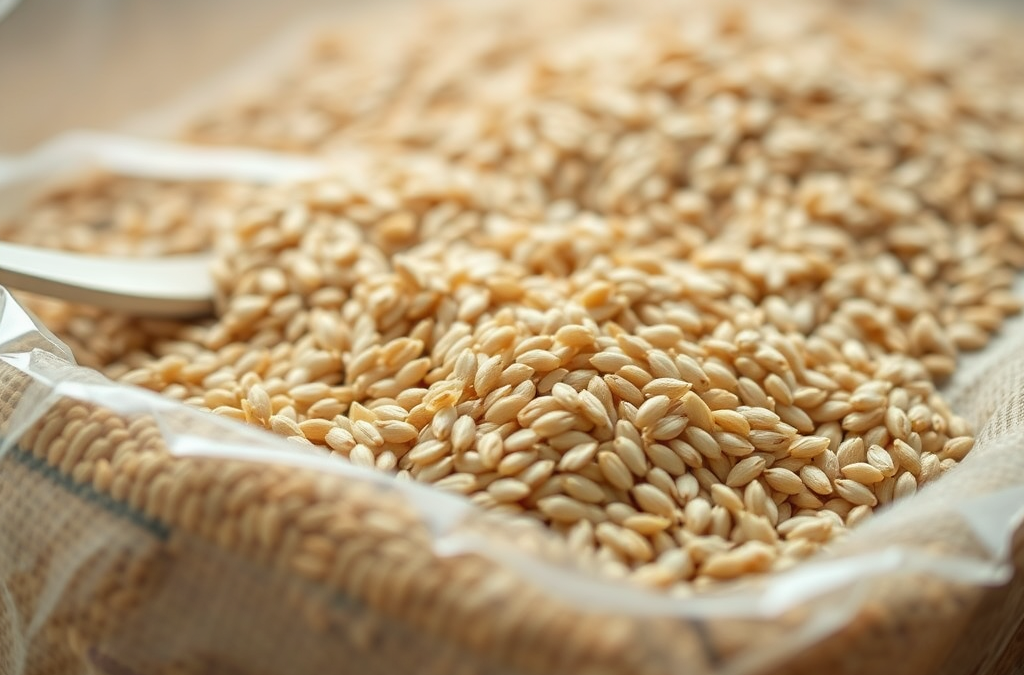
To protect grains from humidity damage, maintain low moisture levels during storage. Implementing proper ventilation in storage facilities can effectively reduce humidity buildup, while using airtight containers and desiccants helps to keep moisture at bay. Regularly monitoring humidity levels is crucial; ideally, grain moisture content should remain below 14%. Additionally, avoid overfilling storage containers, as this can restrict airflow and increase the risk of spoilage.
Understanding Humidity’s Impact on Grains
Humidity is one of the primary factors that can lead to grain spoilage. When grains are exposed to high moisture levels, they become susceptible to mold, fungi, and pests, all of which can compromise their quality and safety. The moisture content of grains should ideally be below 14% to prevent these issues. Understanding how humidity affects grain storage is crucial for anyone involved in grain handling or storage.
The mechanisms behind humidity damage are rooted in biological and chemical processes. For instance, high moisture levels can activate dormant spores of mold, leading to rapid growth that can ruin entire batches of stored grains. Additionally, moisture can cause grains to clump together, making them more challenging to handle and process. Thus, effective grain protection strategies must focus on maintaining low humidity levels throughout the storage period.
Best Practices for Grain Storage
Implementing best practices for grain storage is essential to safeguarding against humidity damage. First and foremost, ensure that storage facilities are well-ventilated. Proper airflow can help dissipate excess moisture, preventing the buildup of humidity. Using fans or ventilation systems can greatly enhance airflow, especially in larger storage silos or bins.
Another effective method is to use moisture barriers, such as airtight containers or desiccants. Airtight containers can help keep moisture out, while desiccants absorb any residual humidity within the storage environment. Regularly checking the seals on containers can help ensure that they remain effective over time.
Temperature control also plays a vital role in grain storage. Keeping grains in a cool environment helps reduce moisture absorption. Ideally, temperatures should be kept below 70°F (21°C) during storage. Additionally, consider using temperature and humidity sensors to monitor conditions continuously and make adjustments as necessary.
Common Mistakes to Avoid
Even with the best intentions, several common mistakes can lead to humidity damage in grains. One significant error is neglecting regular inspections of stored grains. Failing to check for signs of moisture or pest activity can result in significant losses. Regularly inspecting grain bins and containers can help detect issues early.
Another mistake is overloading storage containers. Overpacking can restrict airflow, trapping moisture and creating a breeding ground for mold. It is essential to leave enough space for air circulation within storage units.
Additionally, many people underestimate the impact of environmental changes. Seasonal variations can lead to fluctuating humidity levels, so it’s essential to adjust storage conditions accordingly. Being proactive about these changes can help prevent moisture-related problems.
Monitoring and Maintenance Strategies
Effective monitoring and maintenance strategies are crucial for protecting grains from humidity damage. Start by establishing a regular schedule for checking humidity levels and grain condition. Use hygrometers and moisture meters to obtain accurate readings of moisture content and environmental conditions.
Incorporating a pest control program can also enhance grain protection. Regularly inspecting for signs of pest activity and implementing preventive measures will help maintain grain quality. This can involve using traps, chemical treatments, or natural deterrents.
In summary, consider developing a grain management plan that includes emergency protocols for handling excess humidity or mold outbreaks. Having a clear action plan can help mitigate damage and ensure that grains remain safe for consumption.
Get Whole Wheat Flour, Grains and Milling Supplies – CLICK HERE

For more detailed information on grain storage and humidity management, consult resources from agricultural extensions or industry experts. Organizations such as the USDA or local agricultural universities often publish guidelines and best practices for grain storage.
Frequently Asked Questions
What humidity level is safe for grain storage?
The safe humidity level for grain storage is generally below 14%. Keeping moisture levels within this range helps prevent mold growth and spoilage.
How can I check the moisture content of stored grains?
You can use a moisture meter or hygrometer to measure the moisture content of stored grains accurately. Regular checks are essential for maintaining grain quality.
What are the signs of humidity damage in grains?
Signs of humidity damage include mold growth, clumping of grains, and a musty odor. Regular inspections can help identify these issues early.
How can I improve airflow in grain storage?
Improving airflow can be achieved by ensuring proper ventilation through fans or vents. Avoid overpacking storage containers to allow for adequate air circulation.
What should I do if I find mold in my stored grains?
If mold is found in stored grains, it is crucial to remove the affected grains immediately to prevent further contamination. Assess the storage conditions and make necessary adjustments to avoid future mold growth.
Conclusion
Protecting grains from humidity damage is vital for maintaining their quality and safety. By understanding humidity’s impact, implementing best storage practices, and avoiding common mistakes, you can effectively safeguard your grain supplies. Regular monitoring and maintenance are essential to adapt to changing conditions and ensure long-term storage success. Taking these proactive steps will help preserve the integrity of your grains and prevent significant losses.
Get Whole Wheat Flour, Grains and Milling Supplies – CLICK HERE
Auto Amazon Links: No products found.
Further Reading
Authoritative Sources
- Preventing insect damage in stored grains
canr.msu.eduThe most effective and economical practice is sanitation. Remove all debris and vegetation within 10 feet of each bin. Apply a residual ...
- Tips for drying and storing damp grains
topcropmanager.comArtificial drying can help reduce the risk of spoilage due to excess moisture, but it is important to follow proper drying practices to prevent heat damage.
- How to Protect Stored Grain in the Summer
farms.comOperating an aeration fan every three weeks during the cooler, morning hours can reduce the temperature of the grain in the upper portion of the ...