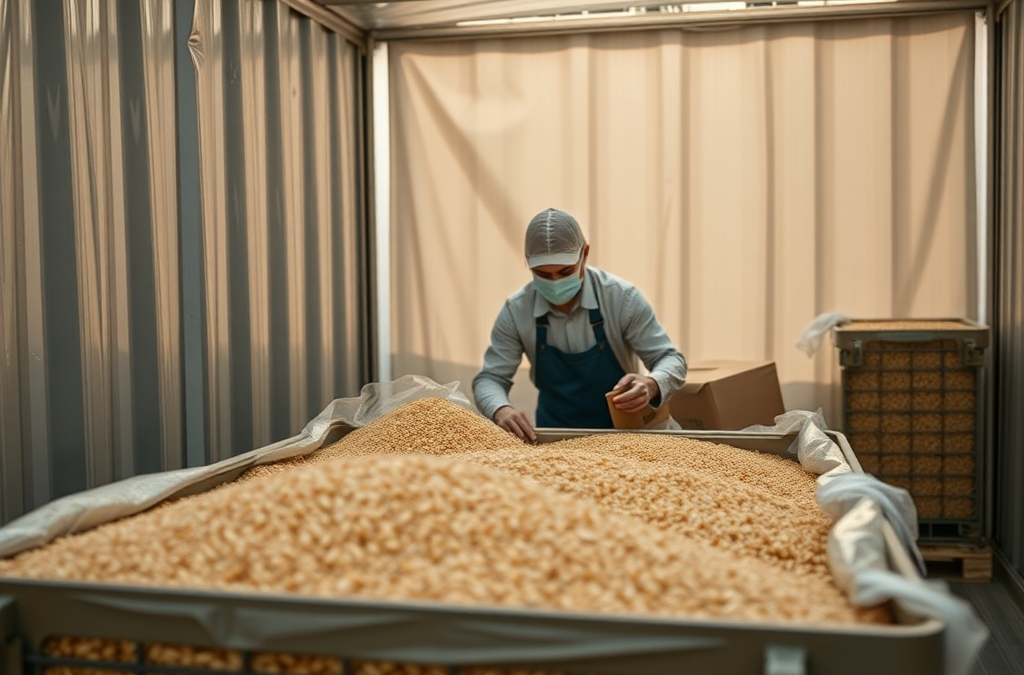
To safely transport grains for storage, it is essential to use airtight, moisture-resistant containers that protect against environmental factors. Prioritize clean and dry containers to prevent spoilage and pest infestations. Implement proper loading techniques to avoid overloading, which can cause damage during transit. Regularly inspect the grains and transport conditions to catch any potential issues early, ensuring the grains remain in optimal condition throughout the journey.
Importance of Proper Transport
Transporting grains safely is crucial to maintaining their quality and minimizing losses. Poor transport practices can lead to spoilage, contamination, and financial losses. Ensuring grains are transported correctly not only preserves their nutritional value but also protects against pests and moisture damage. This section will cover why proper transport is essential and the risks associated with neglecting this aspect of grain storage.
Grains are highly susceptible to environmental factors such as humidity, temperature fluctuations, and contamination during transport. Without appropriate measures, grains can absorb moisture, leading to mold growth and spoilage. Additionally, pests may infest improperly sealed containers, exacerbating losses. Understanding the importance of proper transport practices helps grain handlers implement effective strategies to safeguard their products.
Choosing the Right Containers
Selecting appropriate containers is a fundamental step in safely transporting grains. Containers must be airtight, moisture-resistant, and durable to withstand the rigors of transport. Common options include plastic bins, metal silos, and grain trailers, each with advantages and disadvantages.
Airtight containers are crucial for preventing moisture ingress and pest infestations. For instance, plastic bins with tight seals can provide excellent protection against environmental factors. On the other hand, metal silos offer durability and longevity, making them suitable for long-term storage and transport. Understanding the specific needs of the grain type being transported will guide the choice of container.
Additionally, consider the size and weight capacity of the containers to prevent overloading during transport. Overloading can lead to structural failures or compromised seals, increasing the risk of contamination. Ensuring containers are compatible with the transport vehicle is also essential for safe and efficient transport.
Loading and Unloading Techniques
Proper loading and unloading techniques are vital to prevent damage during transport. When loading grains, it’s important to distribute the weight evenly to maintain vehicle stability and prevent shifting during transit. This practice minimizes the risk of spillage and damage to the grains.
Using conveyors or augers can streamline the loading process while reducing the risk of damage. During unloading, it is essential to handle grains gently to avoid crushing or bruising. Employing techniques such as gravity dumping or using vacuum systems can facilitate safer unloading. Keeping the unloading area clean and free of debris also helps prevent contamination.
Get Whole Wheat Flour, Grains and Milling Supplies – CLICK HERE

Monitoring Transport Conditions
Monitoring environmental conditions during transport is crucial for safeguarding grain quality. Temperature and humidity levels should be regularly checked to ensure they remain within safe limits. High humidity can lead to condensation inside containers, promoting mold growth and spoilage.
Using temperature and humidity sensors can provide real-time data, allowing for quick adjustments if conditions become unfavorable. Additionally, maintaining a stable temperature during transport is essential to prevent thermal shock, which can damage grains. Understanding how different grain types react to temperature changes will inform best practices for transport.
Common Mistakes to Avoid
Several common mistakes can compromise the safety of grain transport. One major error is neglecting to inspect containers prior to loading. Failing to check for damages or compromised seals can lead to significant losses during transit. Additionally, overloading containers is another frequent mistake that can lead to structural failures.
Another mistake is ignoring environmental conditions during transport. Many operators fail to monitor temperature and humidity levels, leading to spoilage. Investing in monitoring technology and training staff on best practices can prevent these common pitfalls.
Get Whole Wheat Flour, Grains and Milling Supplies – CLICK HERE
Auto Amazon Links: No products found.
Further Reading
Authoritative Sources
- 7 steps for proper grain storage
stineseed.comStep 1: Start clean. · Step 2: Consider the desired shelf life of the stored grain · Step 3: Avoid storing wet corn when possible. · Step 4: Check the seed quality ...
- Grain Storage Essentials: Best Practices and Innovations
weskangrain.comSafe Handling and Transport: Using equipment like conveyors and elevators can help move grain safely within the storage facility. Workers ...
- 3 Best Practices for Preventing Spoilage During Grain Storage
blog.kett.comPrevent grain spoilage with 3 proven strategies: moisture monitoring, proper aeration, and safe storage charts for corn, soybeans, canola, ...
- Ch9 Crop handling, conditioning and storage: Grain storage
fao.org1 Prevent damp from the floor and walls to reach the produce by stacking the bags on pallets off the ground and away from the walls. Damp from the roof is ...