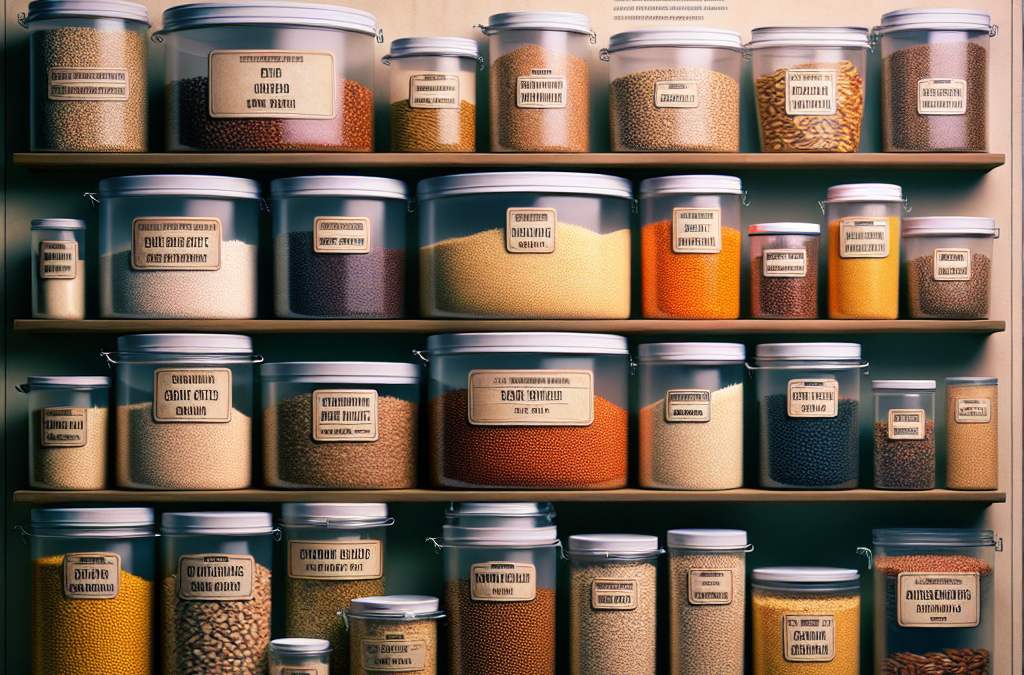
When it comes to preserving grains for an extended period, understanding the best practices is crucial for maintaining their quality and nutritional value. How to store grains long term involves several practical strategies that can prevent spoilage and extend shelf life significantly. The right storage methods not only keep grains fresh but also protect them from pests, moisture, and oxidation, which can lead to spoilage.
Many people underestimate the importance of proper grain storage, often relying on generic containers or leaving grains exposed to the elements. Common mistakes include using non-airtight containers, failing to monitor humidity levels, and neglecting to inspect for pests regularly. By prioritizing the right storage techniques, you can avoid these pitfalls and ensure that your grains stay safe and nutritious for years.

Choosing the Right Containers
Selecting the appropriate storage containers is one of the most important steps in how to store grains long term. Airtight containers made from glass, food-grade plastic, or metal are ideal for preventing air and moisture from entering. Glass jars, for instance, allow you to see the contents and can be sealed tightly. Plastic bins should be BPA-free and have a secure lid to keep out pests.
When selecting containers, consider the type and quantity of grains you plan to store. For example, larger bins are suitable for bulk grains, while smaller jars work well for smaller quantities. Avoid using cardboard boxes or paper bags, as they are not airtight and can attract moisture. Always label your containers with the type of grain and the date of storage to keep track of freshness.
Ideal Storage Conditions
The environment in which you store grains plays a critical role in their longevity. Aim for a cool, dark, and dry place, as heat and light can degrade the quality of grains over time. Ideal storage temperatures are between 50°F and 70°F (10°C to 21°C). Avoid areas that experience temperature fluctuations, such as near ovens or in garages.
Humidity is another key factor; grains should be stored in environments with less than 15% humidity to prevent mold growth and spoilage. Using a hygrometer can help you monitor humidity levels. If conditions are too humid, consider using desiccants or silica gel packets in your containers to absorb excess moisture.
Pest Prevention Strategies
Keeping pests at bay is essential when storing grains long term. Common pests include weevils, moths, and rodents, which can infest stored grains and compromise their quality. To prevent infestations, start by ensuring that your grains are clean and free from debris before storage.
Additionally, using airtight containers is a primary defense. You can also freeze grains for a week before storing them to kill any potential eggs or larvae. Regularly inspect your storage area and containers for signs of pests, and keep the storage area clean and organized to deter infestations.
Long-Term Storage Techniques
Vacuum sealing is an excellent method for extending the shelf life of grains. By removing air from the packaging, you significantly reduce the chances of spoilage and pest infestation. If vacuum sealing is not an option, consider using oxygen absorbers in airtight containers to further protect your grains from oxidation.
Get Whole Wheat Flour, Grains and Milling Supplies – CLICK HERE

For those storing grains for decades, consider long-term options like Mylar bags with oxygen absorbers placed in food-grade buckets. This method can extend the shelf life of grains up to 30 years. Always remember to rotate your stock by using older grains first and replenishing with fresh supplies.
Further Reading
Authoritative Sources
- Iowa State University Extension and Outreach
extension.iastate.eduThis resource provides comprehensive guidelines on grain storage practices to ensure quality and safety
- U.S. Food and Drug Administration (FDA)
fda.govOffers insights into food storage safety, including grains and other staples
Frequently Asked Questions
What is the best temperature for storing grains?
The ideal temperature for storing grains is between 50°F and 70°F (10°C to 21°C) to maintain freshness.
How long can grains be stored?
Depending on the type and storage method, grains can last anywhere from 6 months to over 30 years.
Should I wash grains before storing them?
It’s best to clean grains of debris but avoid washing them, as moisture can lead to spoilage.
Can I store grains in plastic bags?
While plastic bags can be used temporarily, they are not ideal for long-term storage due to their lack of airtightness.
What are oxygen absorbers and how do they work?
Oxygen absorbers are packets that remove oxygen from sealed containers, helping to prevent spoilage and extend shelf life.
Conclusion
Ultimately, mastering how to store grains long term involves careful selection of containers, understanding ideal storage conditions, and implementing pest prevention strategies. Prioritize airtight storage, monitor environmental factors, and consider advanced techniques like vacuum sealing for maximum longevity. By following these guidelines, you can ensure that your grains remain fresh, nutritious, and ready for use whenever needed.
Related Content
- Grain Storage Techniques for Prepping: Essential Methods for Long-Term Safety and Quality
- The Best Hermetic Storage Solutions for Home Use
- Long Term Organic Grain Storage: Essential Methods for Maintaining Quality and Safety
- A Beginner’s Guide to Storing Wheat for Bread Making
- The Art of Blending Whole Grains for Baking
Auto Amazon Links: No products found.