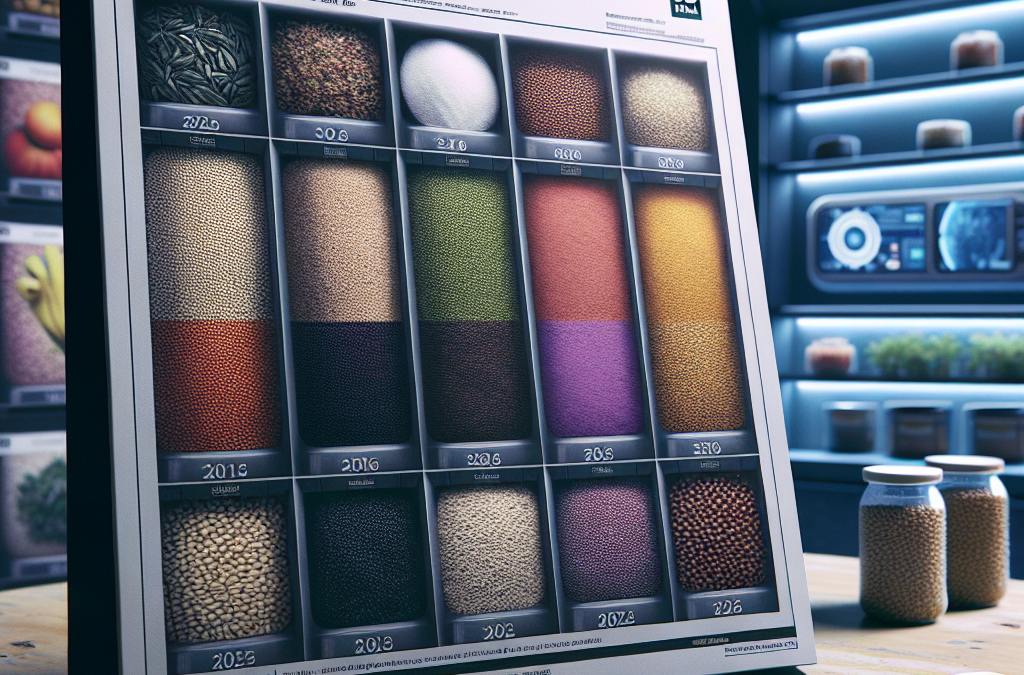
To successfully navigate the complexities of food preparedness and grain supply, it is essential to recognize factors influencing grain production, storage conditions, and distribution networks. A common mistake is underestimating the importance of local climate conditions and market demands, which can significantly affect grain supply. Additionally, investing in proper storage facilities and inventory management systems is crucial for minimizing spoilage and maximizing the lifespan of stored grains.
Another important aspect is understanding the trade-offs between various storage techniques and their associated costs. For instance, while some advanced storage solutions may offer better preservation, they often come with higher upfront investments. It is vital to prioritize methods that align with specific needs, available resources, and regional conditions to ensure effective food preparedness.
Understanding Grain Supply Chains
The grain supply chain consists of various stages, including production, processing, distribution, and consumption. Each stage plays a crucial role in ensuring that grains reach consumers in a timely manner. Disruptions at any point in this chain can lead to food shortages and increased prices.
Awareness of these stages allows stakeholders to identify vulnerabilities and implement strategies to enhance resilience. For example, establishing relationships with local farmers can improve supply chain stability by ensuring a steady flow of grains while reducing dependency on distant suppliers.
Additionally, investing in technology for tracking grain movement and quality can provide valuable insights into supply chain efficiency. This information enables better decision-making regarding inventory levels and market timing, ultimately supporting successful food preparedness efforts.
Effective Storage Methods for Grains
Choosing the right storage method is essential for maintaining grain quality and preventing spoilage. Common methods include traditional silos, grain bags, and controlled atmosphere storage. Each has its advantages and disadvantages, depending on factors such as cost, scale, and environmental conditions.
For instance, while silos are effective for large-scale operations, they require significant investment and maintenance. On the other hand, grain bags are more cost-effective for smaller operations but may not offer the same level of protection against pests and moisture. Understanding these trade-offs is crucial for making informed decisions.
Moreover, proper monitoring of storage conditions, such as temperature and humidity, is vital for ensuring the longevity of stored grains. Regular inspections and maintenance can help mitigate potential issues and extend the shelf life of grains.
Impact of Climate on Food Preparedness
Climate plays a significant role in food preparedness and grain supply. Changes in temperature, precipitation patterns, and extreme weather events can directly affect crop yields and grain quality. As such, it is essential to incorporate climate considerations into food preparedness planning.
Farmers should adopt adaptive practices, such as crop rotation and diversification, to mitigate climate-related risks. These practices not only enhance resilience but also promote soil health and biodiversity, which are critical for sustainable agriculture.
Furthermore, communities should invest in climate-resilient infrastructure and technologies to protect grain supplies from extreme weather events. This includes building flood-resistant storage facilities and implementing water conservation measures to secure irrigation during droughts.
Get Whole Wheat Flour, Grains and Milling Supplies – CLICK HERE

Common Mistakes in Food Preparedness
Many individuals and organizations make common mistakes that hinder effective food preparedness. One frequent error is failing to conduct a thorough risk assessment, which can lead to inadequate planning for potential disruptions.
Another mistake is not regularly updating inventory management systems. Stale data can result in overstocking or understocking, both of which can have significant financial implications. Implementing regular reviews and audits of grain inventories can help maintain accuracy and responsiveness to changing conditions.
All in all, neglecting to educate stakeholders about food preparedness practices can undermine efforts. Providing training and resources to local communities can foster a culture of preparedness, ensuring that everyone is equipped to handle potential challenges.
Further Reading
Authoritative Sources
- Food and Agriculture Organization (FAO)
fao.orgA key resource for understanding global food security and agricultural practices
- International Food Policy Research Institute (IFPRI)
ifpri.orgOffers valuable research and insights on food policy and preparedness strategies
- USDA National Agricultural Library
nal.usda.govA comprehensive resource for agricultural information and research
Frequently Asked Questions
What are the key components of food preparedness?
Key components include risk assessment, inventory management, proper storage techniques, and community education.
How can climate change affect grain supply?
Climate change can lead to altered growing conditions, affecting crop yields and increasing the risk of pests and diseases.
What are common mistakes in food storage?
Common mistakes include poor inventory management, inadequate storage conditions, and lack of regular monitoring.
How can I improve my grain storage methods?
Consider investing in appropriate storage solutions, monitoring environmental conditions, and implementing pest control measures.
What role do local farmers play in food preparedness?
Local farmers contribute to food preparedness by providing fresh produce, maintaining crop diversity, and supporting community resilience.
Conclusion
In closing, effective food preparedness and grain supply management are essential for ensuring food security. By understanding the complexities of grain supply chains, selecting appropriate storage methods, and considering climate impacts, stakeholders can enhance their resilience against potential disruptions. Prioritizing education and community engagement will further strengthen these efforts, equipping individuals and organizations to navigate challenges confidently. Ultimately, a proactive approach to food preparedness can safeguard against uncertainties and promote sustainable agricultural practices.
Get Whole Wheat Flour, Grains and Milling Supplies – CLICK HERE
Auto Amazon Links: No products found.