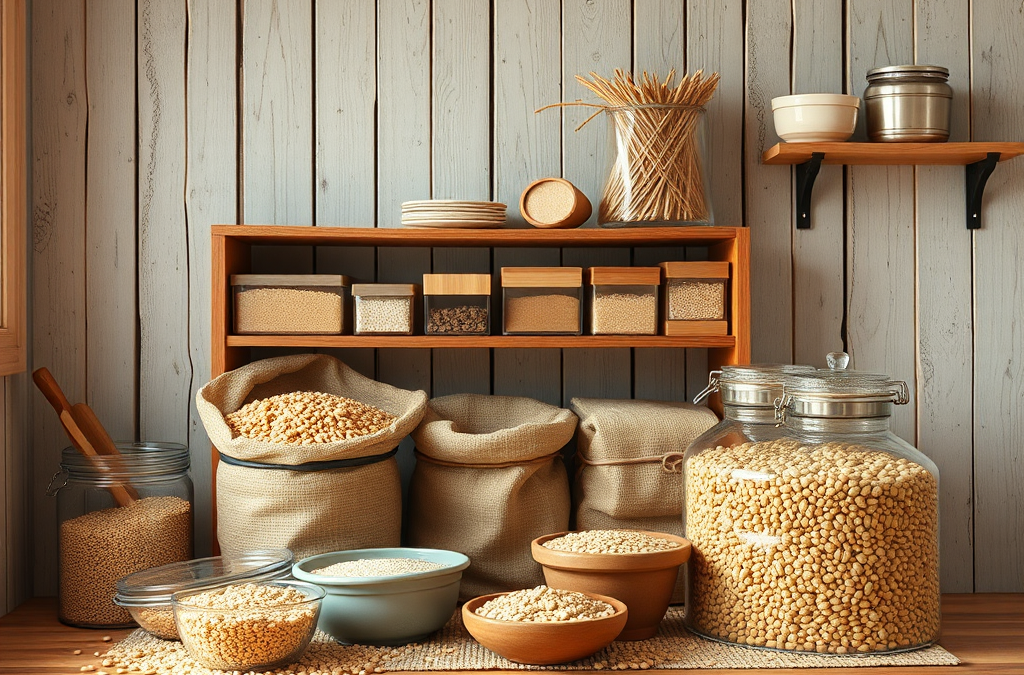
Effectively managing grain storage space in small homes involves utilizing vertical storage, selecting appropriate containers, and optimizing existing spaces. Start by assessing your available areas, such as closets or under furniture, and use stackable bins to maximize height. Consider vacuum-sealing grains to reduce their footprint and keep them fresh. Avoid common mistakes like overestimating available space or neglecting temperature control, which can lead to spoilage.
Assessing Available Space for Grain Storage
To effectively manage grain storage space in small homes, the first step is to thoroughly assess your available storage areas. Look for unconventional spaces like under beds, in closets, or even behind doors. Items like grain can often be stored in places that aren’t typically designated for food storage, allowing you to maximize your space. Consider the dimensions and accessibility of each area to determine what will work best.
For instance, a narrow pantry shelf can hold smaller containers, while larger bins can be placed in a basement or utility room. It’s crucial to keep in mind that proximity to cooking areas can influence how often you access your stored grains, so balance accessibility with efficient use of space. A common mistake is underestimating the amount of space you actually have; taking inventory can reveal hidden opportunities.
Choosing the Right Containers for Grains
Selecting the appropriate containers is vital for preserving the quality of grains while also optimizing space. Airtight containers are essential to prevent moisture and pests from damaging your stored grains. Consider using stackable bins to save vertical space and allow for easy access. Clear containers can also help you quickly identify contents without having to open each one.
Additionally, vacuum-sealing grains can significantly reduce their footprint, making it easier to store them in tight spaces. Remember to label each container with both the grain type and the date of storage to manage freshness effectively. Avoid using containers that are too large for the quantity of grain you have, as this can lead to wasted space and increased risk of spoilage.
Optimizing Vertical Storage Solutions
Vertical storage solutions are a game-changer for small homes. Utilizing shelves, wall-mounted racks, and stackable bins can help you make the most of your vertical space. Install shelving units in closets or corners of rooms where you can safely store grains without taking up valuable floor space.
Consider using over-the-door organizers or wall-mounted baskets to hold smaller containers or bags of grains. This keeps them accessible while freeing up counter and floor space. When implementing vertical storage, be mindful of the weight of the containers to ensure stability and safety. A common pitfall is overloading shelves, which can lead to accidents and spills.
Maintaining Grain Freshness and Quality
Maintaining grain freshness is crucial for both taste and safety. Store grains in a cool, dry place, away from direct sunlight and heat sources, as temperature fluctuations can promote spoilage. Regularly check your stored grains for signs of pests or spoilage, such as unusual odors or discoloration.
Incorporating a rotation system can help ensure that older grains are used first, minimizing waste. A common mistake is neglecting to monitor the storage conditions, which can lead to significant losses. Consider investing in moisture-absorbing packets or silica gel to keep the environment dry. Prioritize checking your storage areas regularly to catch any issues before they escalate.
Get Whole Wheat Flour, Grains and Milling Supplies – CLICK HERE

Frequently Asked Questions
What are the best types of containers for grain storage?
Airtight containers, vacuum-sealed bags, and stackable bins are ideal for storing grains, as they prevent moisture and pests.
How can I determine the right storage location for grains?
Look for cool, dry spaces that are easily accessible, such as closets, under beds, or pantry shelves.
How often should I check my stored grains?
Regularly check your stored grains every few months for signs of spoilage or pests to maintain their quality.
What common mistakes should I avoid when storing grains?
Avoid overloading shelves, using inappropriate containers, and neglecting to monitor storage conditions.
Can I store different types of grains together?
It's best to store different types of grains separately to avoid cross-contamination and ensure optimal storage conditions for each type.
Conclusion
Effectively managing grain storage space in small homes requires careful planning and strategic organization. By assessing your available space, choosing the right containers, and utilizing vertical storage solutions, you can optimize your grain storage. Regularly maintaining the freshness of your grains is also essential to prevent spoilage. Start implementing these techniques today to ensure your grains are stored efficiently and remain in good condition.
Get Whole Wheat Flour, Grains and Milling Supplies – CLICK HERE
Auto Amazon Links: No products found.