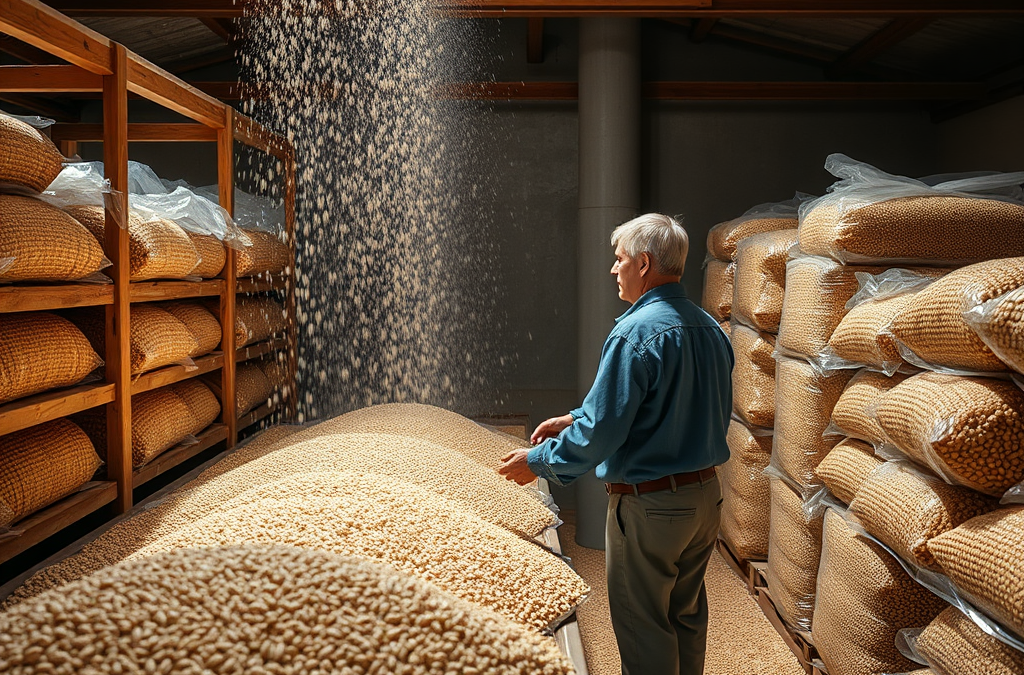
To effectively deal with moisture during grain storage, it is essential to maintain optimal humidity levels and prevent spoilage. Implementing proper ventilation is critical, as it reduces humidity and prevents condensation, which can lead to moisture accumulation. Regular monitoring of moisture content and environmental conditions is necessary to identify any issues early. A common mistake is neglecting to inspect stored grains frequently, which can result in undetected moisture buildup and subsequent spoilage. By addressing these factors proactively, you can significantly enhance the quality and longevity of your stored grains.
Understanding Moisture Dynamics in Grain Storage
Moisture plays a critical role in grain storage, affecting both the quality and longevity of stored grains. High moisture levels can lead to microbial growth, spoilage, and reduced nutritional value. Understanding the dynamics of moisture is essential for effective storage practices. Grains naturally contain moisture that can fluctuate due to environmental conditions, making it vital to control these levels to prevent deterioration.
When grains are harvested, they often contain moisture levels above the safe storage threshold, typically around 14% for most grains. If not managed properly, this excess moisture creates an environment conducive to mold growth and insect infestations. Therefore, it is crucial to dry grains to an appropriate moisture content before storage.
Additionally, external factors such as temperature and humidity in the storage environment can influence moisture levels. For instance, during warm and humid conditions, moisture can migrate into stored grains, exacerbating spoilage risks. Understanding these dynamics allows grain handlers to implement proactive measures to maintain grain quality.
Effective Moisture Management Techniques
Implementing effective moisture management techniques is essential for preserving grain quality during storage. One of the primary methods is proper ventilation, which helps reduce humidity levels within storage facilities. Adequate airflow prevents condensation, which can lead to moisture accumulation. Using fans and vents strategically can enhance air circulation and maintain optimal conditions.
Another effective technique is the use of moisture-absorbing materials, such as silica gel or calcium chloride, which can help control humidity levels in airtight storage systems. These materials can absorb excess moisture, creating a more stable storage environment. Additionally, it is important to regularly monitor moisture levels using moisture meters to ensure that they remain within safe limits.
Implementing a rotation system for stored grains can also be beneficial. By rotating stocks, older grains are used first, reducing the chances of spoilage due to prolonged storage. Furthermore, considering the use of sealed storage containers can prevent moisture ingress, keeping grains safe from external humidity.
Common Mistakes in Grain Storage
Several common mistakes can undermine efforts to manage moisture in grain storage effectively. One such mistake is failing to conduct regular inspections of stored grains. Without routine checks, issues such as moisture buildup, spoilage, or pest infestations can go unnoticed, leading to severe losses.
Another frequent error is neglecting to dry grains adequately before storage. Many handlers assume that grains harvested at a slightly high moisture content will be fine, but this assumption can lead to significant problems. It is essential to dry grains to the recommended moisture content before sealing them in storage.
Get Whole Wheat Flour, Grains and Milling Supplies – CLICK HERE

Additionally, poor storage location choices can contribute to moisture problems. Storing grains in areas prone to high humidity or temperature fluctuations can increase the risk of moisture-related issues. Selecting a well-ventilated, temperature-controlled storage site is crucial for maintaining grain quality.
Monitoring and Maintaining Optimal Conditions
Monitoring and maintaining optimal conditions for grain storage is vital for preventing moisture-related problems. Regularly checking temperature and humidity levels using reliable monitoring equipment helps ensure that grains remain in a safe storage environment. Many modern grain storage systems come equipped with sensors that provide real-time data on these critical factors.
In addition to monitoring, implementing a maintenance schedule for storage facilities can prevent moisture ingress. Regular cleaning and inspection of storage bins, silos, and other containers can help identify potential leaks or sources of moisture. Addressing these issues promptly can mitigate risks and extend the shelf life of stored grains.
Furthermore, educating staff about the importance of moisture management and best practices in grain storage is essential. Training can help prevent common mistakes and enhance overall storage efficiency.
For readers interested in expanding their knowledge on grain storage and moisture management, consider visiting the following resources:
Get Whole Wheat Flour, Grains and Milling Supplies – CLICK HERE
Auto Amazon Links: No products found.
Further Reading
Authoritative Sources
- Moisture Migration In Grain Storage Explained
wallgrain.comAeration is one of the most effective tools for controlling moisture migration in grain storage. By moving air through the grain, aeration ...
- Maintaining Grain Quality During Long-Term Storage
cropwatch.unl.eduManaging Moisture in Stored Grain Mold growth requires moist conditions, usually above about 70% relative humidity, and warm temperatures. at ...
- Grain Storage Management--5 things to focus on
pedersonseed.comIf you are planning on storing for less than 6 months, 15% moisture should be adequate. If you are planning on storing corn longer than 6 months ...
- 5 steps to ensure proper grain storage this winter
farmprogress.comKeep grain at 40 degrees F. Grain is typically 15% to 30% moisture when placed in a bin. A dryer must then bring the moisture content down to 13% or less to ...