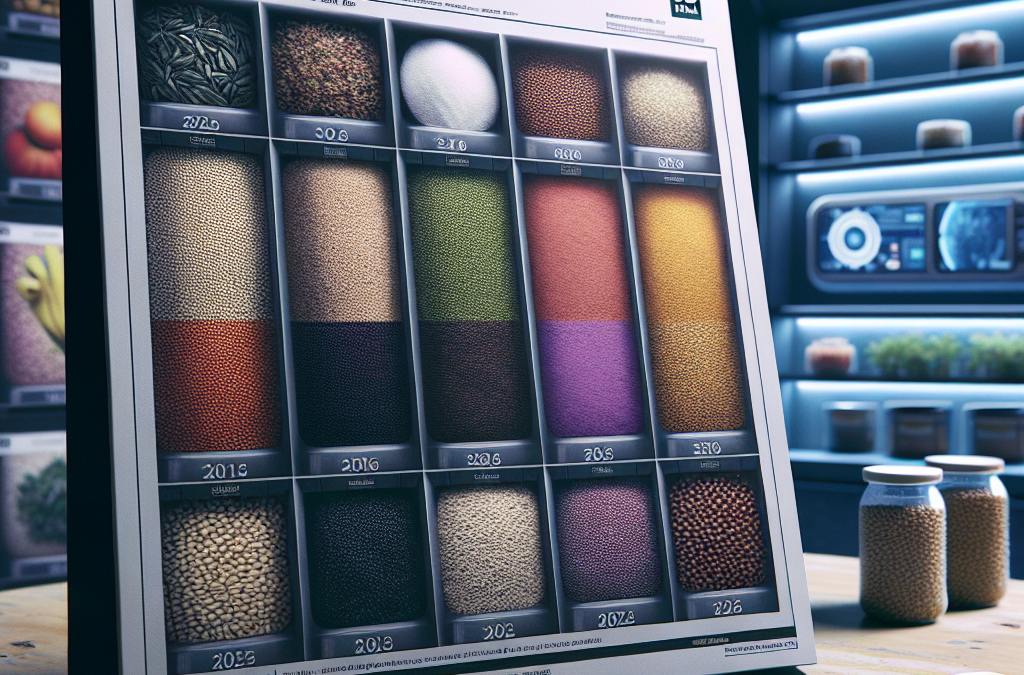
Understanding the importance of proper grain storage is essential for anyone engaged in food preparedness. Improper storage can lead to significant losses due to mold, pests, or nutrient degradation. Prioritizing the right techniques ensures that grains remain viable for extended periods, which is critical during emergencies or food shortages.
Common mistakes in grain storage include using unsuitable containers, neglecting to monitor humidity levels, and failing to regularly inspect stored grains. It’s vital to recognize these pitfalls to maintain the integrity of your grain supply. By focusing on effective methods, you can maximize the shelf life and quality of your stored grains.
Choosing the Right Storage Containers
Choosing the right storage containers is crucial in preserving the quality of grains. Airtight containers made of food-grade materials, such as glass or heavy-duty plastic, are ideal as they prevent moisture and pests from entering. Metal containers can also be effective, but they should be lined to avoid rust.
Not all containers are created equal; some may not provide adequate protection against environmental factors. For instance, using cardboard boxes may seem convenient, but they offer little resistance to moisture and pests. Investing in high-quality containers can save you from significant losses in the long run.
Another aspect to consider is the size of the containers. Overfilling can lead to air pockets, which may promote spoilage. It’s best to store grains in quantities that you can realistically consume within a reasonable period. Regularly evaluate your storage setup to ensure that it meets your needs.
Controlling Temperature and Humidity
Controlling temperature and humidity is vital for effective grain storage. Grains should ideally be stored in a cool, dry place with temperatures between 50°F and 70°F. High temperatures can accelerate spoilage, while excessive humidity can lead to mold growth.
Using dehumidifiers or silica gel packets can help manage moisture levels, especially in humid climates. Regularly monitoring the environment where grains are stored is essential. A simple hygrometer can provide readings that help you maintain optimal conditions.
Many preppers overlook the effects of temperature fluctuations on grain quality. Consider using climate-controlled storage solutions if you live in an area with extreme weather changes. This proactive approach will help you maintain the integrity of your food supply.
Pest Management Strategies
Pest management is a critical component of grain storage techniques. Common pests like weevils and rodents can easily compromise stored grains. Implementing preventative measures is essential to safeguard your food supply.
Using natural deterrents such as bay leaves or diatomaceous earth can help repel pests without introducing harmful chemicals. Additionally, sealing any gaps in storage areas can prevent rodents from accessing your grains.
Regular inspections are key to early detection of pest issues. If you notice any signs of infestation, such as holes in packaging or droppings, take immediate action to address the problem. Ignoring these signs can lead to widespread contamination and significant losses.
Regular Maintenance and Inspection
Regular maintenance and inspection of your grain storage setup are essential for long-term success. Establish a schedule for checking your stored grains, looking for signs of spoilage or pest activity. This proactive approach allows you to address issues before they escalate.
Get Whole Wheat Flour, Grains and Milling Supplies – CLICK HERE

During inspections, check for moisture levels, container integrity, and any signs of pests. If you notice anything concerning, take appropriate corrective measures immediately. This might include transferring grains to new containers or adjusting environmental controls.
It’s also wise to rotate your grain stock to ensure that older grains are used first. This practice helps maintain freshness and reduces the risk of spoilage. By staying vigilant, you can effectively preserve your grain supply for long-term use.
Further Reading
If you’re looking to deepen your understanding of grain storage techniques, consider exploring the following resources:
Authoritative Sources
- USDA Grain Storage Guidelines
naldc.nal.usda.govComprehensive guidelines on grain storage practices from the USDA
- Purdue Extension: Grain Storage
extension.purdue.eduResearch-based information on effective grain storage techniques
- Michigan State University: Grain Storage
canr.msu.eduInsights into best practices for long-term grain storage
Frequently Asked Questions
What is the best container for grain storage?
Airtight containers made of food-grade plastic or glass are ideal for grain storage as they prevent moisture and pests.
How can I prevent pests from damaging my stored grains?
Using natural deterrents like bay leaves and sealing any gaps in storage areas can help prevent pest infestations.
What temperature is best for storing grains?
The ideal temperature for grain storage is between 50°F and 70°F to minimize spoilage and degradation.
How often should I inspect my grain storage?
Regular inspections should be conducted every few months to check for moisture, spoilage, or pest activity.
Can I store grains in cardboard boxes?
It’s not advisable as cardboard boxes do not provide adequate protection against moisture and pests.
Conclusion
Implementing effective grain storage techniques is crucial for preppers looking to maintain a reliable food supply. Prioritize choosing the right containers, controlling temperature and humidity, managing pests, and conducting regular inspections. By addressing these factors, you can ensure that your grains remain safe and usable for long periods. Remember, the key to successful grain storage lies in proactive management and attention to detail.
Get Whole Wheat Flour, Grains and Milling Supplies – CLICK HERE
Related Content
Auto Amazon Links: No products found.