Understanding the types of foods that work best for long-term storage is crucial. For instance, grains like rice and wheat are staples, but their storage conditions significantly affect their longevity. Likewise, legumes such as beans and lentils are not only nutritious but also have a long shelf life when kept in airtight containers. Canned goods can last for several years, but it’s important to rotate your stock regularly to avoid waste.
A common mistake many make is underestimating the importance of storage conditions. Temperature, humidity, and light can all impact food quality. Using vacuum-sealed bags and food-grade containers can greatly enhance the lifespan of your food supply. Prioritizing foods that are nutrient-dense and versatile also ensures that you have a balanced diet even in uncertain circumstances.
Identifying Essential Foods for Long Term Storage
Essential foods for long term prepping should be nutrient-dense and versatile, allowing for various meal preparations. Grains like rice, oats, and quinoa are staples due to their long shelf life and energy-providing carbohydrates. Legumes, such as beans and lentils, are excellent for protein and fiber. Additionally, canned goods, freeze-dried fruits, and vegetables are great options that retain their nutritional value while being easy to prepare.
When building your food supply, consider the balance of macronutrients. Including a mix of carbohydrates, proteins, and fats is essential for maintaining energy levels. Furthermore, think about items that can be used in multiple recipes, ensuring you don’t get bored with your meals. Look for foods that can be combined easily to create diverse dishes.
Many preppers overlook the significance of vitamins and minerals in their long-term storage. Incorporating powdered supplements or fortified foods can provide necessary nutrients that might be lacking in a limited food supply. Prioritize foods that offer a diverse nutrient profile to support overall health.
Proper Storage Techniques for Longevity
Effective storage techniques are paramount for maximizing the lifespan of your food supply. Foods should be stored in a cool, dark, and dry place to minimize exposure to light, heat, and moisture, all of which can lead to spoilage. Vacuum sealing is an excellent method for removing air and sealing food in bags or containers, which slows down oxidation and extends shelf life.
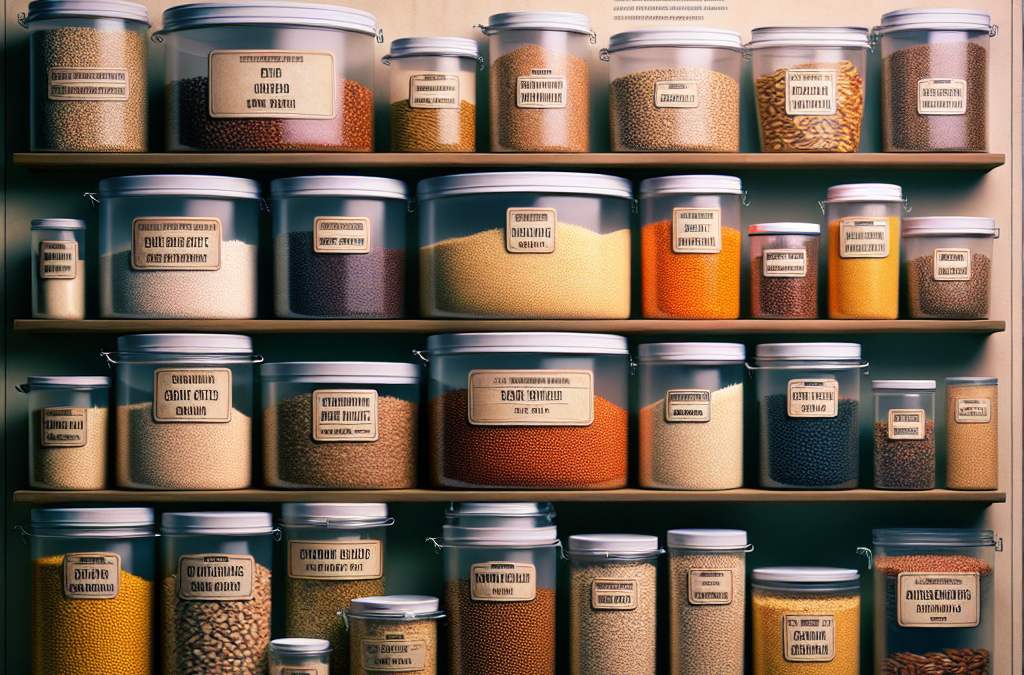
Airtight containers made of glass or food-grade plastic can also protect against pests and moisture. It’s advisable to label all containers with the contents and date of storage for easy tracking and rotation. Regularly checking your supplies helps to ensure that older items are used first, preventing waste.
One often-missed aspect of food storage is the use of oxygen absorbers. These small packets can be added to sealed containers to absorb any remaining oxygen, further extending the food’s shelf life. Investing in proper storage tools and techniques is crucial for successful long-term prepping.
Common Mistakes in Food Prepping
One of the most significant mistakes in food prepping is failing to plan for a diverse diet. Many individuals focus solely on bulk items without considering nutritional balance. This can lead to deficiencies and health issues over time. It’s vital to include a variety of food types to ensure adequate nutrition.
Another common error is neglecting to rotate supplies. Stockpiling food without regularly checking expiration dates can result in waste. It’s essential to establish a system for using older items first and replacing them with fresh supplies. This practice not only helps maintain your food supply but also ensures you are consuming safe products.
Additionally, many preppers underestimate the impact of storage conditions. Foods stored in high humidity or fluctuating temperatures are at greater risk for spoilage. Invest in temperature and humidity control solutions to protect your food supply effectively.
Get Whole Wheat Flour, Grains and Milling Supplies – CLICK HERE

Creating a Sustainable Food Supply Plan
A sustainable food supply plan should begin with an assessment of your family’s needs and dietary preferences. Consider how many people you are prepping for and what types of meals you typically enjoy. This will guide your food selection and quantity.
Next, create a realistic budget that allows for the gradual accumulation of supplies over time. This approach prevents overwhelming expenses and allows for thoughtful purchasing of high-quality items. Aim to purchase foods during sales or in bulk to maximize savings.
All in all, regularly review and adjust your plan based on consumption rates and changes in dietary needs. Building a sustainable food supply is an ongoing process that requires flexibility and attention to detail.
Further Reading
Authoritative Sources
- Emergency Food Supply
ready.govThis resource offers guidelines on how to prepare your food supply for emergencies, including types of food and storage tips
- Food Safety Modernization Act
fda.govLearn about food safety regulations and best practices for long-term food storage from the FDA
- USDA Food Storage Guidelines
nal.usda.govThis USDA guide provides comprehensive information on food storage methods and shelf life
Frequently Asked Questions
What types of foods are best for long term prepping?
Grains, legumes, canned goods, and freeze-dried foods are ideal for long term prepping due to their shelf life and nutritional value.
How can I ensure my food supply lasts longer?
Store food in cool, dark, and dry places, use vacuum sealing, and keep items in airtight containers to extend shelf life.
Is rotating my food supply necessary?
Yes, regularly rotating your food supply ensures that older items are consumed first, preventing waste and maintaining food safety.
How often should I check my food supply?
It’s advisable to check your food supply every 6 months to ensure items are within their expiration dates and in good condition.
Can I store food in plastic containers?
Yes, but ensure the containers are food-grade and airtight to protect against moisture and pests.
Conclusion
Ultimately, a long term prepping food supply requires careful planning and thoughtful selection. Prioritize nutrient-dense foods that can be stored effectively, while regularly monitoring your supplies to prevent waste. Establish a sustainable plan that meets your family’s needs and adapts to changing circumstances. By following these guidelines, you can ensure that your food supply remains viable and supports your health during emergencies.
Get Whole Wheat Flour, Grains and Milling Supplies – CLICK HERE
Related Content
- Home Grain Storage and Rotation: Effective Techniques for Maintaining Quality and Freshness
- Food Storage Using Mylar Bags: Best Practices for Preserving Dry Goods
- The Importance of Proper Aeration in Grain Storage
- Optimizing Space for Grain Storage in Small Kitchens
- Ultimate Guide to Bulk Grain Storage at Home in 2025 (Pro Tips & Secrets)
Auto Amazon Links: No products found.