Understanding the implications of inadequate grain storage is crucial. Poor storage conditions can lead to significant losses due to spoilage, pest infestations, and contamination. This is particularly concerning in regions where food insecurity is prevalent, as it exacerbates hunger and malnutrition. Effective grain storage methods are therefore imperative for maintaining food security and optimizing resource use.
Many people overlook the importance of regular monitoring and maintenance of storage facilities. Ensuring that storage environments are kept clean, dry, and at appropriate temperatures can prevent many common issues associated with grain storage. Utilizing modern technology, such as moisture meters and temperature sensors, can also enhance monitoring efforts.
Understanding Grain Storage Needs
Grain storage needs vary significantly depending on the type of grain and the environmental conditions. Each grain type has specific moisture content requirements for optimal storage, which, if not met, can lead to spoilage or loss of quality. Understanding these needs is essential for implementing effective storage solutions.
For example, cereals like wheat and rice require different humidity levels to maintain their quality. If stored in too moist an environment, grains can develop mold or attract pests. Therefore, it’s crucial to identify the specific requirements of the grains being stored and tailor the storage conditions accordingly.
Additionally, the location of the storage facility plays a significant role in grain preservation. Facilities should be situated away from potential sources of contamination, such as livestock and waste disposal sites. Ensuring proper air circulation and temperature control is also crucial to prevent the growth of harmful pathogens.
Common Mistakes in Grain Storage
Many individuals and organizations make common mistakes in grain storage that can lead to substantial losses. One prevalent error is neglecting to check the moisture levels of stored grains regularly. High moisture content can create a breeding ground for mold and pests, compromising food safety and quality.
Another mistake is using inappropriate storage containers. Not all containers are suitable for every type of grain. For instance, breathable containers may not adequately protect grains from humidity, while airtight containers can lead to anaerobic conditions that may damage the grains. Understanding the right type of storage is essential for preserving grain quality.
Furthermore, failing to implement pest control measures can result in infestations that devastate stored grains. Regular inspections and the use of preventative measures, such as traps and natural repellents, can significantly reduce the risk of pest-related losses.
Effective Storage Methods
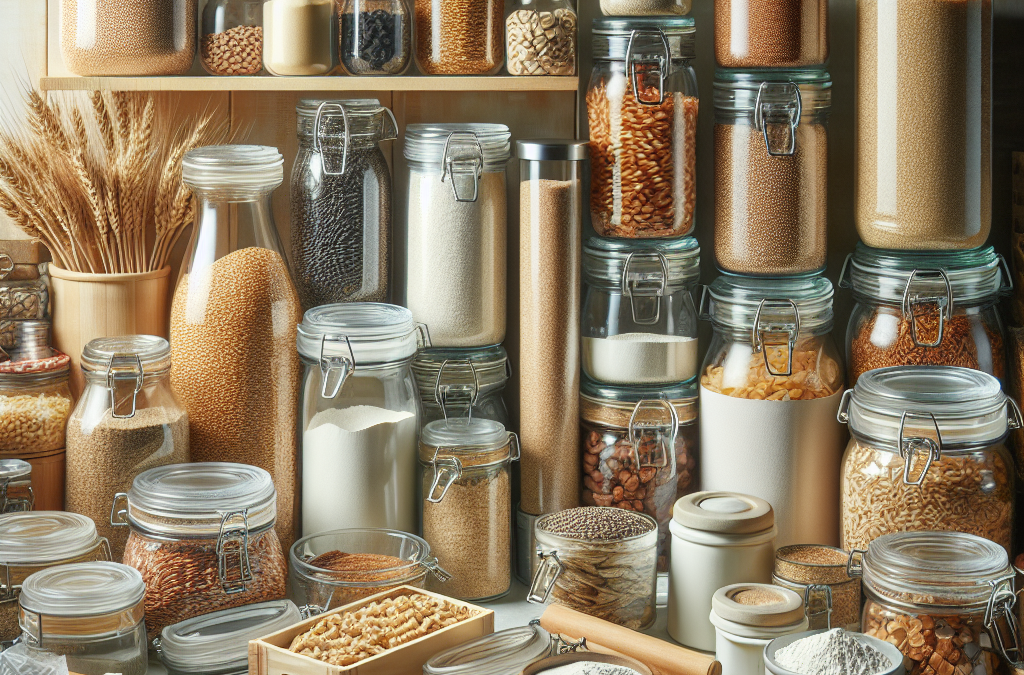
To ensure effective grain storage, several methods can be employed. First, using airtight containers can significantly reduce the risk of spoilage by limiting exposure to air and moisture. These containers are particularly effective for smaller quantities of grain.
For larger quantities, silos or bins equipped with temperature and moisture control systems are recommended. These systems help maintain optimal storage conditions, preventing spoilage and pest infestations. Additionally, incorporating desiccants can help absorb excess moisture within storage environments.
Another effective method is to regularly rotate stored grains. Implementing a first-in, first-out (FIFO) system ensures that older grains are used before newer ones, reducing the likelihood of spoilage. This practice is particularly important for grains with shorter shelf lives.
Get Whole Wheat Flour, Grains and Milling Supplies – CLICK HERE

Monitoring and Maintenance Practices
Regular monitoring and maintenance are vital for successful grain storage. This includes checking moisture levels, temperature, and overall grain quality at consistent intervals. Utilizing technology, such as digital moisture meters and temperature sensors, can streamline this process, providing real-time data to maintain optimal conditions.
Additionally, routine cleaning of storage facilities is essential to prevent contamination and pest infestations. Removing debris and residues can significantly reduce the risk of attracting pests and pathogens. It’s also crucial to inspect storage areas for signs of damage or leaks that could compromise the integrity of the stored grains.
Maintaining a proactive approach to grain storage can lead to better preservation outcomes and ultimately enhance food security. Understanding the specific needs of the stored grains and implementing effective monitoring practices can mitigate many common storage issues.
Further Reading
Authoritative Sources
- Food and Agriculture Organization (FAO)
fao.orgProvides resources and guidelines on grain storage and food security
- USAID
usaid.govOffers information on agricultural practices and food security initiatives
- Grain Storage and Handling
grainstorage.orgFocuses on best practices for grain storage and handling
Frequently Asked Questions
What is the ideal moisture content for grain storage?
The ideal moisture content varies by grain type, but generally, it should be between 12-14% to prevent spoilage.
How can I tell if my stored grain is spoiled?
Signs of spoilage include an off smell, discoloration, and the presence of mold or pests.
What are the best containers for grain storage?
Airtight containers are best for small quantities, while silos or temperature-controlled bins are ideal for larger amounts.
How often should I check my grain storage?
It’s advisable to check stored grain at least once a month for moisture, temperature, and signs of pests.
What pests commonly affect stored grains?
Common pests include weevils, moths, and rodents, which can damage grains and contaminate them.
Conclusion
In closing, food security and grain storage are critical for ensuring a stable food supply. By understanding the specific needs of different grains and implementing effective storage methods, individuals and organizations can significantly reduce spoilage and losses. Regular monitoring and maintenance are essential to preserving grain quality and preventing pest infestations. Prioritizing these practices will not only enhance food security but also contribute to sustainable agricultural practices.
Get Whole Wheat Flour, Grains and Milling Supplies – CLICK HERE
Related Content
- Food Storage Method #7: Freezing Grain and Flour First
- Eco-Friendly Grain Storage: Sustainable Practices
- The Ultimate Guide to the 10 Best Storage Methods for Emergency Food in 2025
- Frugal budgeting and planning vs. being stingy and hording.
- The Ultimate Guide to How to Store Food in Buckets in 2025: 7 Effective Tips
Auto Amazon Links: No products found.