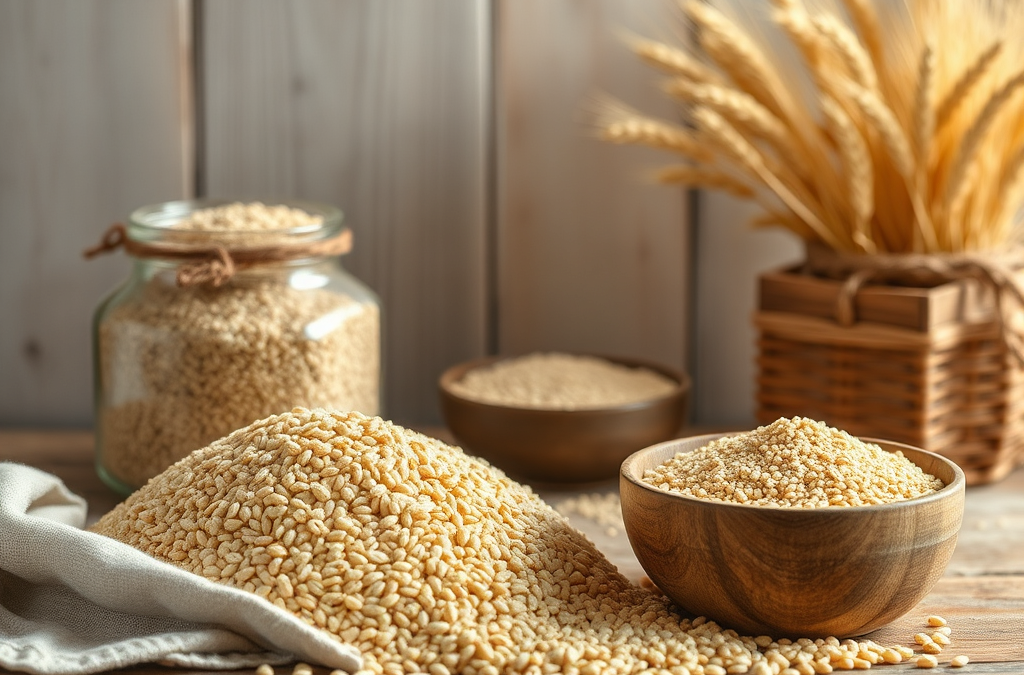
To effectively store grains in households, it is essential to use airtight containers and maintain optimal environmental conditions. Choose containers made of glass, food-grade plastic, or metal that seal tightly to prevent moisture and pest infiltration. Regularly check stored grains for signs of spoilage, and rotate stock to ensure older grains are used first. Avoid common mistakes, such as using inappropriate materials or neglecting to control humidity, which can lead to mold growth and spoilage. By prioritizing these methods, you can significantly extend the shelf life and quality of your grains.
Understanding Grain Storage Basics
Grain storage methods for households begin with understanding the types of grains and their specific storage needs. Different grains, such as rice, wheat, and corn, have varying moisture content and susceptibility to pests. Proper storage is crucial to prevent spoilage and to maintain the nutritional value of grains over time. The primary goal is to create an environment that minimizes exposure to moisture, air, and light, which can degrade grain quality.
Each type of grain has its ideal storage conditions. For instance, grains should ideally be stored in a cool, dry, and dark place. Understanding these basics helps in selecting the right storage techniques and materials. For example, while some grains may tolerate higher humidity levels, others may require strict moisture control to prevent mold growth.
Best Containers for Grain Storage
Choosing the right containers is essential for effective grain storage. Airtight containers are highly recommended as they protect against moisture, pests, and air. Options include glass jars, food-grade plastic buckets, or metal containers with sealed lids. Each of these materials has its advantages; for instance, glass is non-porous and does not retain odors, while plastic buckets are lightweight and usually more affordable.
When selecting containers, consider the volume of grain to be stored and the available space. It’s also important to label each container with the grain type and date of storage to facilitate rotation. Regularly checking the contents for signs of spoilage or pest activity can help maintain grain quality.
Controlling Environmental Factors
Environmental factors play a significant role in the longevity of stored grains. Temperature and humidity control are critical; grains should ideally be stored at temperatures below 70°F (21°C) and in low-humidity environments. Using a hygrometer can help monitor humidity levels, and desiccants can be added to containers to absorb excess moisture.
Additionally, storing grains in a dark area prevents light exposure, which can degrade quality. Consider using storage solutions that allow for air circulation, as stagnant air can lead to moisture build-up. Regularly rotating your grain stock—using the first-in, first-out (FIFO) method—ensures older grains are used first, maintaining freshness.
Common Mistakes in Grain Storage
Common mistakes in grain storage can lead to spoilage and waste. One of the most significant errors is using inappropriate containers, such as cardboard boxes or non-food-safe plastics, which can allow pests and moisture in. Neglecting to check for pests before storing grains is another frequent oversight; infested grains can compromise the entire stock.
Failing to maintain the right environmental conditions is also a common pitfall. For example, storing grains in areas with fluctuating temperatures or high humidity can lead to mold growth and spoilage. Educating oneself on these common mistakes helps in implementing better grain storage practices that ensure long-term preservation.
Get Whole Wheat Flour, Grains and Milling Supplies – CLICK HERE

Frequently Asked Questions
What is the ideal temperature for grain storage?
The ideal temperature for grain storage is below 70°F (21°C) to prevent spoilage and pest activity.
How can I tell if my stored grains are spoiled?
Signs of spoilage include discoloration, an off smell, or the presence of pests or mold.
Can I use regular plastic containers for grain storage?
It is best to use food-grade plastic containers to ensure safety and prevent chemical leaching.
How often should I check my stored grains?
Regular checks every few months are recommended to monitor for spoilage and pests.
Is vacuum sealing effective for grain storage?
Yes, vacuum sealing is an effective method as it removes air and reduces the risk of spoilage.
Further Reading
Authoritative Sources
Conclusion
Implementing effective grain storage methods is crucial for ensuring the longevity and quality of grains in households. Prioritizing proper containers, controlling environmental factors, and avoiding common mistakes can significantly improve storage outcomes. By staying informed and proactive, individuals can successfully maintain their grain supplies for optimal nourishment and use.
Get Whole Wheat Flour, Grains and Milling Supplies – CLICK HERE
Related Content
- Storing Large Quantities of Food: Essential Methods for Maximizing Shelf Life
- 10 Effective Tips on How to Prevent Mold in Grain Storage (2025 Guide)
- How to Store Grains in Buckets for Family Preparedness
- Preparedness people need community.
- The Ultimate 2025 Guide to the Best Containers for Grain Storage That Keep Food Fresh
Auto Amazon Links: No products found.