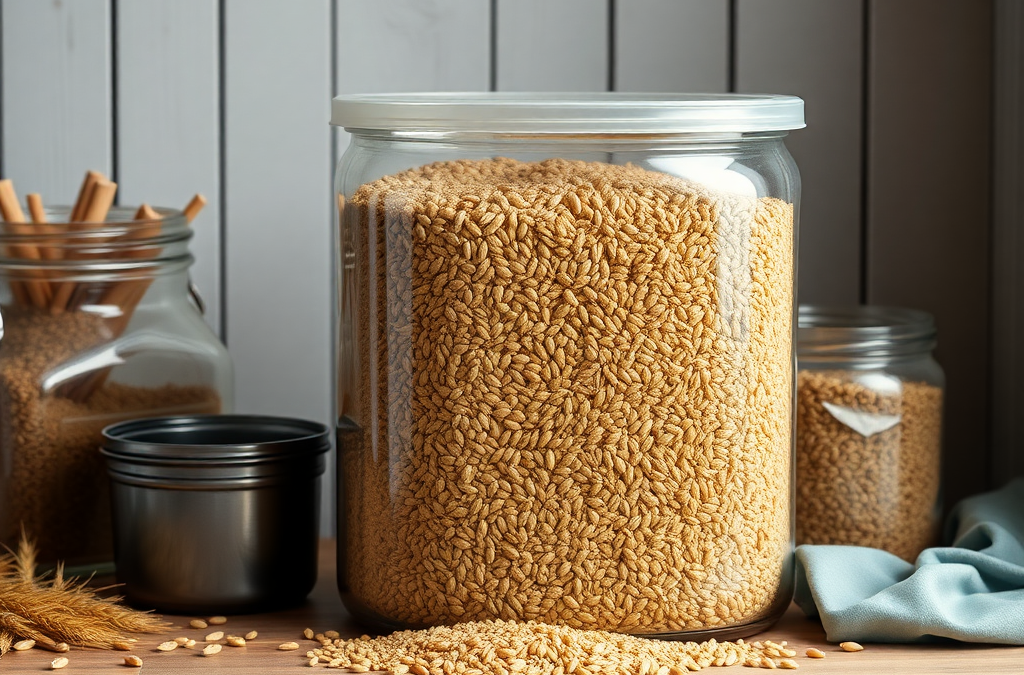
Bulk wheat storage containers are essential for preserving grain quality and preventing spoilage. Selecting the appropriate type—such as silos, bins, or grain bags—depends on your specific storage needs, including the volume of wheat and available space. It's crucial to ensure that containers are made from durable materials like metal or concrete, which provide better resistance to pests and moisture. Additionally, proper ventilation is vital to prevent moisture buildup, which can compromise the wheat's integrity. Regular monitoring of temperature and humidity levels will further enhance the effectiveness of your storage solution, ensuring the wheat remains in optimal condition for longer periods.
Types of Bulk Wheat Storage Containers
Bulk wheat storage containers come in various types, each designed to meet specific storage needs. Common options include silos, bins, and bags. Silos, often made of metal or concrete, provide a large capacity and are suitable for long-term storage. They are equipped with aeration systems to help control temperature and moisture levels.
Bins, typically smaller than silos, are also used for short to medium-term storage and can be made from various materials including plastic and metal. Grain bags are another popular option, particularly for temporary storage, as they are flexible and can be placed in various locations. Choosing the right type depends on factors such as available space, budget, and the volume of wheat being stored.
Key Considerations for Choosing Containers
When selecting bulk wheat storage containers, several key factors should influence your decision. Firstly, consider the material of the container; metal and concrete are generally more durable and resistant to pests compared to plastic. Additionally, the container’s design must allow for proper ventilation to prevent moisture buildup, which can lead to spoilage.
Another critical consideration is the container’s capacity. It is vital to choose a size that accommodates your storage needs without overfilling, as this can cause pressure and damage to the wheat. Moreover, consider the container’s location; placing it in a shaded, dry area can further enhance its effectiveness in preserving the quality of the wheat.
Maintenance and Monitoring Practices
Regular maintenance and monitoring are essential to ensure the longevity and effectiveness of bulk wheat storage containers. It is crucial to inspect the containers frequently for any signs of damage or pest infestation. Ensuring that the seals are intact and that there are no leaks will help maintain the desired storage conditions.
Monitoring temperature and humidity levels inside the containers is also important. Utilizing sensors and data loggers can provide real-time information and alert you to any changes that could compromise the quality of the stored wheat. Implementing a routine cleaning schedule for the containers can also prevent mold and other contaminants from affecting the grain.
Frequently Asked Questions
What are the best materials for bulk wheat storage containers?
Metal and concrete are generally the best materials due to their durability and resistance to pests, while plastic containers may be suitable for temporary storage.
How do I prevent moisture buildup in storage containers?
Ensure proper ventilation and consider using aeration systems within the container to maintain optimal humidity levels and prevent spoilage.
What is the ideal temperature for storing wheat?
The ideal storage temperature for wheat is between 60°F and 70°F (15°C to 21°C) to minimize the risk of spoilage and pest infestation.
How often should I inspect my bulk wheat storage containers?
Regular inspections should be conducted at least once a month to check for damage, pests, and moisture levels to ensure the quality of the stored wheat.
Can I use grain bags for long-term storage?
Grain bags are typically used for short to medium-term storage; for long-term storage, consider more durable options like silos or bins.
Conclusion
Choosing the right bulk wheat storage containers is essential for preserving grain quality and preventing spoilage. By considering factors such as material, size, and maintenance practices, you can ensure optimal conditions for your wheat. Regular monitoring and inspections are key to maintaining quality over time, allowing you to protect your investment and ensure a reliable supply of grain.
Get Whole Wheat Flour, Grains and Milling Supplies – CLICK HERE

Related Content
- How to Choose the Right Oxygen Absorbers for Grains: Essential Factors and Practical Considerations
- How to Keep Whole Grains Fresh for Years
- How to Effectively Monitor Grain Storage Conditions With Sensors, Sampling, and Seasonal Checks
- Safe Grain Storage After a Power Outage: Inspection Steps and Recovery Timing
- The Best Grain Storage Containers for Moist Climates
Auto Amazon Links: No products found.