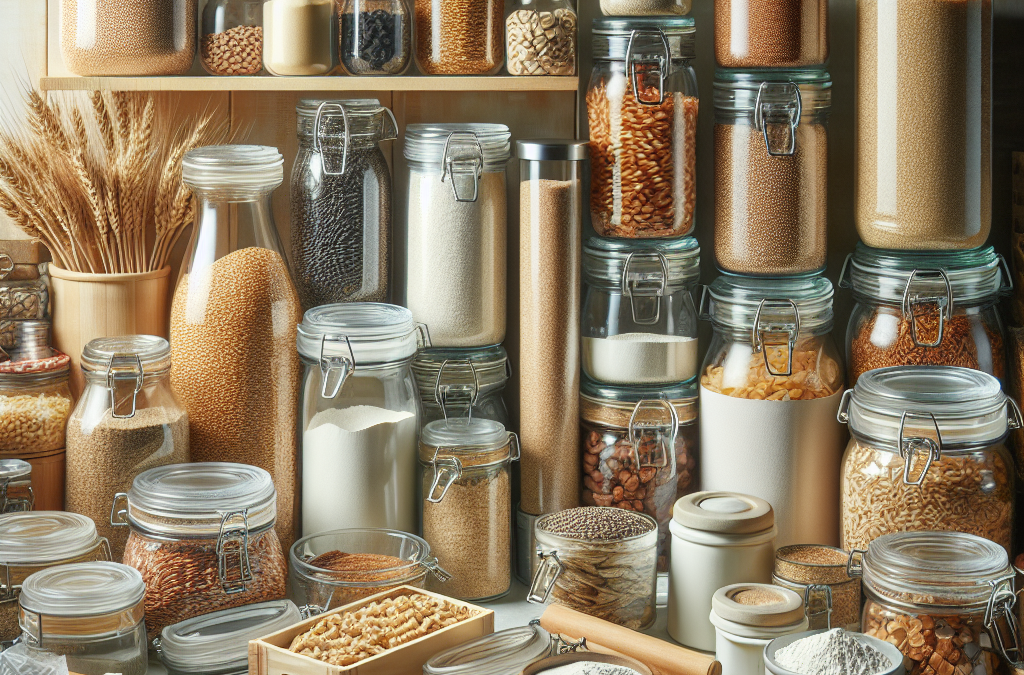
Long lasting food storage grains such as wheat, rice, barley, and oats are essential for maintaining food security during uncertain times. To maximize their shelf life, it is crucial to store them in airtight containers, in cool and dark environments to prevent moisture and light exposure. For example, hard red wheat can last up to 30 years when stored properly, while white rice can remain edible indefinitely under ideal conditions. A common mistake is using non-airtight containers, which can lead to spoilage and nutrient degradation. By following optimal storage techniques, you can ensure these grains retain their nutritional value and flavor for years to come.
Understanding Grain Longevity
Long lasting food storage grains are essential for ensuring food security, especially in times of crisis or uncertainty. Grains such as wheat, rice, and barley have a long shelf life due to their low moisture content and natural preservation qualities. Understanding how these grains can maintain their integrity over time is crucial for anyone looking to stockpile food effectively. The longevity of grains depends on their type, moisture levels, and how they are stored.
For instance, whole grains can last for years when stored in ideal conditions, while processed grains may have a shorter shelf life. Temperature, humidity, and exposure to light play significant roles in determining how long these grains can be stored. Keeping grains in a cool, dark place can significantly extend their usability and nutritional value.
Top Varieties for Long-Term Storage
When considering which grains to store for the long term, it’s essential to choose varieties known for their durability. Some of the best options include:
- Wheat: Hard red wheat is particularly popular for its versatility and long shelf life, lasting up to 30 years when stored properly.
- Rice: White rice can last indefinitely if kept in airtight containers, while brown rice has a shorter shelf life due to its higher oil content.
- Barley: Both hulled and pearl barley are excellent choices, with hulled barley lasting longer due to its less processed nature.
- Oats: Rolled oats and steel-cut oats are nutritious and can last for several years when stored correctly.
Selecting these grains not only ensures a long shelf life but also provides essential nutrients that can support health during extended periods of food scarcity.
Optimal Storage Techniques
To maximize the shelf life of long lasting food storage grains, employing effective storage techniques is vital. Here are key methods to ensure grains remain fresh:
Firstly, use airtight containers to prevent moisture and pests from entering. Mylar bags with oxygen absorbers or food-grade buckets are excellent options. Secondly, store grains in a cool, dark, and dry place, ideally below 70°F (21°C) with low humidity levels. This helps to prevent spoilage and maintains the nutritional value of the grains.
Regularly check stored grains for any signs of spoilage or pests. It’s also advisable to rotate stocks and use older grains first to ensure none go to waste. Following these practices can significantly extend the usability of your stored grains.
Common Mistakes to Avoid
While storing grains may seem straightforward, several common mistakes can jeopardize their longevity. One significant error is using non-airtight containers, which can allow moisture and pests to compromise the quality of the grains. Another frequent mistake is ignoring the importance of temperature control; storing grains in a warm or humid environment can lead to spoilage.
Additionally, failing to check the grains periodically can result in undetected spoilage. It’s essential to maintain a habit of inspecting your stored grains and ensuring that they remain in optimal conditions. By avoiding these pitfalls, you can ensure that your long lasting food storage grains remain a reliable food source.
Get Whole Wheat Flour, Grains and Milling Supplies – CLICK HERE

Frequently Asked Questions
What types of grains are best for long-term storage?
Wheat, rice, barley, and oats are considered the best grains for long-term storage due to their durability and nutritional value.
How should I store grains to maximize their shelf life?
Grains should be stored in airtight containers in a cool, dark, and dry place to prevent spoilage and maintain quality.
What is the shelf life of brown rice compared to white rice?
Brown rice has a shorter shelf life of 6 months to 1 year due to its higher oil content, while white rice can last indefinitely when stored properly.
Can I freeze grains for long-term storage?
Yes, freezing grains can extend their shelf life by killing any potential pests and preventing spoilage, but they should be sealed properly.
What are the signs that stored grains have spoiled?
Signs of spoilage include an off smell, discoloration, or the presence of pests. Regular checks can help catch these issues early.
Conclusion
Choosing the right long lasting food storage grains and employing effective storage techniques are critical for ensuring food security. By understanding which grains to select, how to store them properly, and avoiding common mistakes, you can create a reliable food supply that stands the test of time. Start by assessing your storage conditions and selecting the best grains for your needs, and you will be well on your way to long-term food preparedness.
Get Whole Wheat Flour, Grains and Milling Supplies – CLICK HERE
Related Content
- Grain Storage Without Spoilage: Proven Techniques for Maintaining Freshness
- How to Maintain Grain Freshness During Transport: Essential Practices and Common Pitfalls
- How to Store Grains for Maximum Shelf Life
- How to Avoid Common Grain Storage Pitfalls: Essential Steps for Successful Preservation
- Mastering Food Storage for Long Term Use: Strategies for a Resilient Pantry
Auto Amazon Links: No products found.