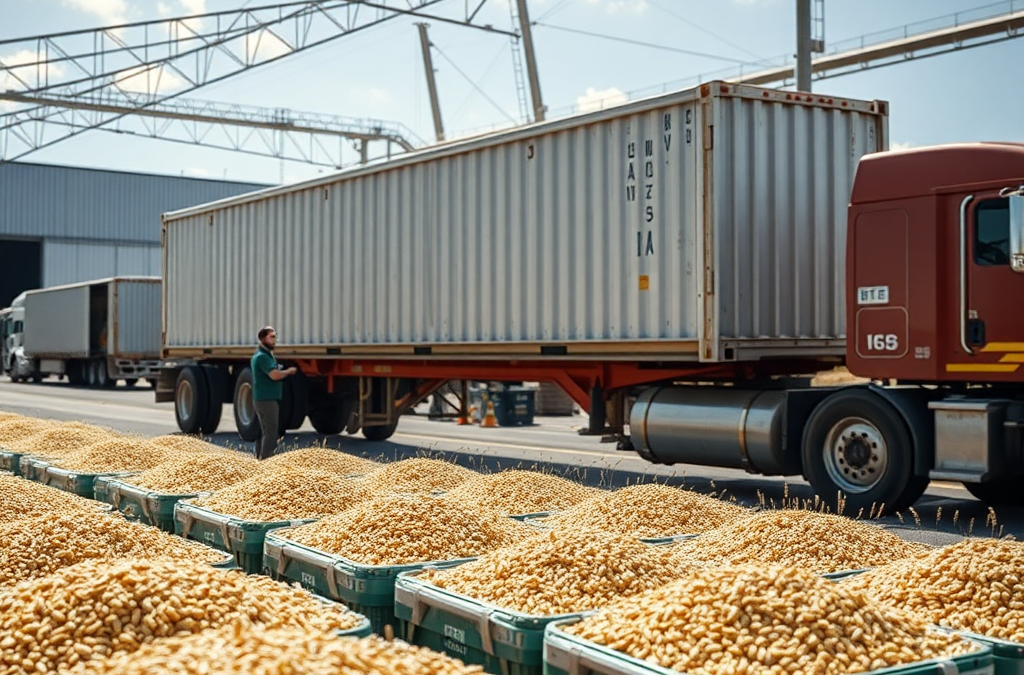
To maintain grain freshness during transport, ensure proper temperature control, minimize moisture exposure, and use airtight containers. These methods prevent spoilage and preserve the quality of grains, which can be compromised by temperature fluctuations and humidity. Pay attention to the type of grain being transported, as different grains have varying storage requirements and sensitivities. Additionally, avoid overloading the transport vehicle to allow for proper air circulation.
Understanding the Importance of Grain Freshness
Maintaining grain freshness during transport is crucial for ensuring quality and marketability. Fresh grains have higher nutritional value, better taste, and longer shelf life, making them more appealing to consumers. Spoiled grains can lead to significant financial losses for producers and suppliers due to decreased product quality and potential health risks associated with consumption. Therefore, understanding the factors that contribute to grain freshness is essential for successful transport.
Grains can be affected by various environmental factors during transport, including temperature, humidity, and exposure to contaminants. Each of these elements can significantly impact the quality of the grain and its overall shelf life. By prioritizing freshness, suppliers not only protect their investment but also enhance customer satisfaction and trust.
Key Factors Affecting Grain Freshness During Transport
Several key factors play a role in maintaining grain freshness during transport. Temperature control is one of the most critical aspects. Grains are sensitive to temperature fluctuations, which can lead to condensation and promote mold growth. Ideally, grains should be transported at a stable temperature that is appropriate for the specific type of grain being moved.
Moisture levels also need to be monitored closely. Excess moisture can lead to spoilage and the growth of pests, while too little moisture can cause grains to dry out and lose their quality. Using moisture-resistant containers and ensuring proper sealing can help mitigate these risks.
Airtight containers are essential for protecting grains from external contaminants, such as dust and pests. Using containers that can maintain a controlled environment will help preserve grain quality. Additionally, the transport method itself can influence grain freshness. Choosing vehicles that allow for proper air circulation can prevent overheating and moisture buildup.
Best Practices for Grain Transport
Implementing best practices for grain transport can significantly enhance freshness and quality. Start by selecting the right containers that are designed for the specific type of grain being transported. Ensure that containers are clean, dry, and free from any contaminants before loading.
Temperature monitoring devices should be installed in transport vehicles to keep track of the internal environment. Regular checks can help identify any fluctuations that may pose risks to grain quality. If transporting over long distances, consider using refrigerated transport options for sensitive grains.
Another best practice is to plan transport schedules during cooler parts of the day, such as early morning or late evening, to minimize exposure to heat. When loading grains, avoid overloading containers to allow for air circulation, which helps maintain an even temperature throughout the load.
Lastly, educating staff on handling procedures and the importance of grain freshness will ensure that everyone involved in the transport process understands their role in maintaining quality.
Common Mistakes to Avoid
There are several common mistakes that can compromise grain freshness during transport. One major error is neglecting to check moisture levels before loading. This can lead to transporting grains that are already at risk of spoilage. Always conduct moisture tests to ensure grains are within acceptable limits.
Another mistake is failing to consider the specific storage requirements of different grain types. For example, some grains may require lower temperatures or specific humidity levels. Ignoring these requirements can lead to spoilage.
Get Whole Wheat Flour, Grains and Milling Supplies – CLICK HERE

Additionally, using unsuitable containers can be detrimental. Avoid using containers that are not airtight or that allow for moisture penetration. Lastly, not having a contingency plan for unexpected temperature increases or equipment failure can result in significant losses. Always have backup equipment and procedures in place to address potential issues swiftly.
Frequently Asked Questions
What is the ideal temperature for transporting grains?
The ideal temperature varies by grain type, but generally, keeping grains between 50°F to 70°F helps maintain freshness.
How can I check moisture levels in grains?
Use a moisture meter specifically designed for grains to get accurate readings before transport.
What types of containers are best for grain transport?
Airtight, moisture-resistant containers made of durable materials are ideal for maintaining grain quality during transport.
How often should I monitor the temperature during transport?
Temperature should be monitored continuously, especially during long transport times, to ensure stability.
What are the signs of spoiled grains?
Signs include unusual odors, discoloration, and the presence of mold or pests. Discard any grains showing these signs.
Conclusion
Maintaining grain freshness during transport requires careful consideration of temperature, moisture, and container choice. By implementing best practices and avoiding common mistakes, suppliers can protect their investments and ensure the quality of their products. Regular monitoring and staff education are critical components of a successful transport strategy. Prioritize these elements to enhance grain quality and customer satisfaction.
Get Whole Wheat Flour, Grains and Milling Supplies – CLICK HERE
Auto Amazon Links: No products found.