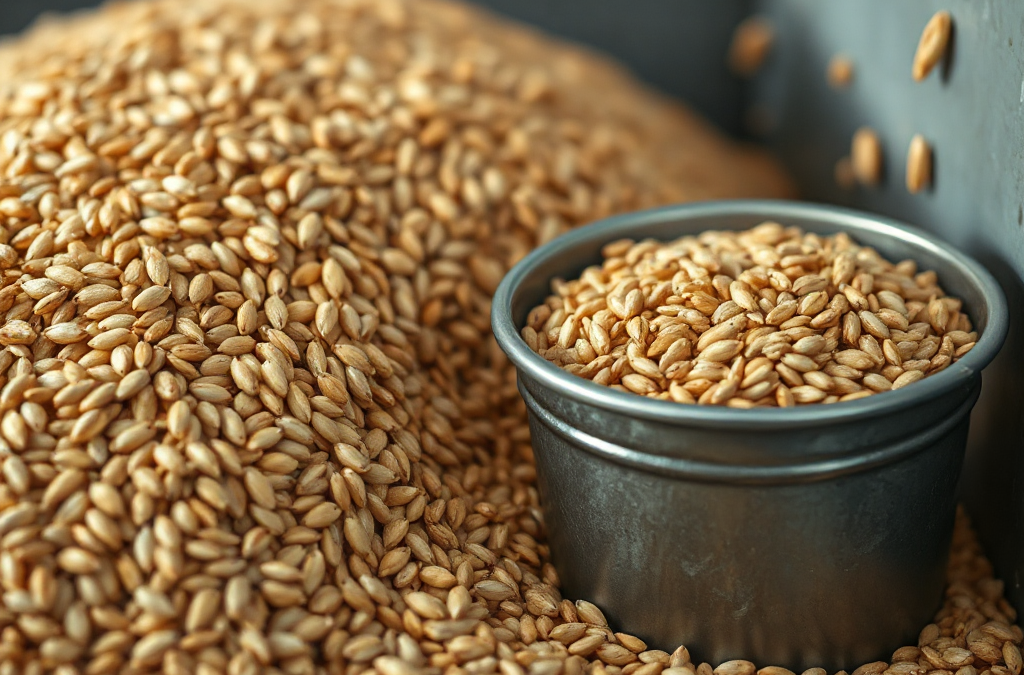
Temperature significantly impacts grain storage quality by influencing moisture levels, pest activity, and chemical stability. Higher temperatures accelerate spoilage processes, increasing the risk of mold and insect infestations. Maintaining optimal storage conditions, typically between 50°F to 70°F, is crucial for preserving grain quality and extending shelf life. Regular monitoring and management of these factors can prevent significant losses in stored grains.
Understanding the Importance of Temperature in Grain Storage
Temperature plays a critical role in grain storage quality, as it affects various physiological and biochemical processes within the stored grains. Grains are living organisms, and their metabolic activities continue after harvest, albeit at reduced rates. When stored at inappropriate temperatures, these activities can lead to a decline in quality, increased spoilage, and even total loss of the stored product.
Maintaining the right temperature is essential to control moisture levels, inhibit pest activity, and slow down the degradation of nutrients. For optimal grain storage, it is recommended to keep the temperature within a range of 50°F to 70°F. This range minimizes the risks associated with spoilage while maximizing the shelf life of the grains.
Effects of High Temperatures on Grain Quality
High temperatures can significantly compromise grain quality. When temperatures exceed 70°F, several adverse effects can occur:
- Increased Moisture Loss: Higher temperatures can lead to faster drying of grains, which can result in damage to the grain structure and a reduction in weight.
- Pest Infestation: Warmer conditions create an ideal environment for pests, including insects and molds, to thrive. Infestations can lead to contamination and spoilage of the grains.
- Chemical Reactions: Elevated temperatures accelerate chemical reactions, such as lipid oxidation, which can negatively impact the flavor, aroma, and nutritional value of the grains.
It is crucial to monitor temperature regularly to prevent these issues, as even short periods of elevated temperatures can have lasting effects on grain quality.
Managing Temperature and Humidity Levels
Effective management of temperature and humidity levels is vital for preserving grain quality. Here are some best practices:
- Use Proper Storage Facilities: Ensure that storage facilities are well-ventilated and insulated to maintain stable temperatures. Silos, bins, or warehouses should be designed to withstand temperature fluctuations.
- Regular Monitoring: Implement a routine for monitoring temperature and humidity levels using thermometers and hygrometers. This will help in taking timely actions if conditions become unfavorable.
- Cooling Systems: In regions with high ambient temperatures, consider using cooling systems or fans to help maintain optimal storage conditions. This can be particularly effective during hot summer months.
By proactively managing these factors, grain storage operators can significantly reduce the risks of spoilage and maintain the quality of stored grains.
Common Mistakes in Grain Storage
Even with the best intentions, some common mistakes can jeopardize grain storage quality:
- Ignoring Temperature Fluctuations: Failing to monitor and address temperature fluctuations can lead to conditions that favor spoilage.
- Neglecting Humidity Control: High humidity levels can exacerbate temperature effects, leading to mold and spoilage. It’s essential to control both temperature and humidity.
- Overloading Storage Units: Overpacking storage units can restrict airflow, leading to uneven temperatures and increased risk of spoilage.
Awareness of these pitfalls and taking steps to avoid them can greatly enhance the effectiveness of grain storage practices.
Get Whole Wheat Flour, Grains and Milling Supplies – CLICK HERE

Frequently Asked Questions
What is the ideal temperature range for grain storage?
The ideal temperature range for grain storage is between 50°F and 70°F to minimize spoilage and maintain quality.
How does high temperature affect grain quality?
High temperatures can lead to increased moisture loss, pest infestations, and accelerated chemical reactions that degrade grain quality.
What are the signs of grain spoilage?
Signs of grain spoilage include unusual odors, discoloration, the presence of mold, and insect activity.
How can I monitor temperature in grain storage?
You can monitor temperature using thermometers and hygrometers, and by implementing regular checks in storage facilities.
What are common mistakes in grain storage?
Common mistakes include ignoring temperature fluctuations, neglecting humidity control, and overloading storage units.
Conclusion
Maintaining optimal temperature conditions is crucial for preserving grain storage quality. By understanding the effects of temperature on grain and implementing effective management strategies, grain storage operators can significantly reduce spoilage risks and extend shelf life. Regular monitoring and proactive adjustments are key to ensuring high-quality stored grains.
Get Whole Wheat Flour, Grains and Milling Supplies – CLICK HERE
Auto Amazon Links: No products found.