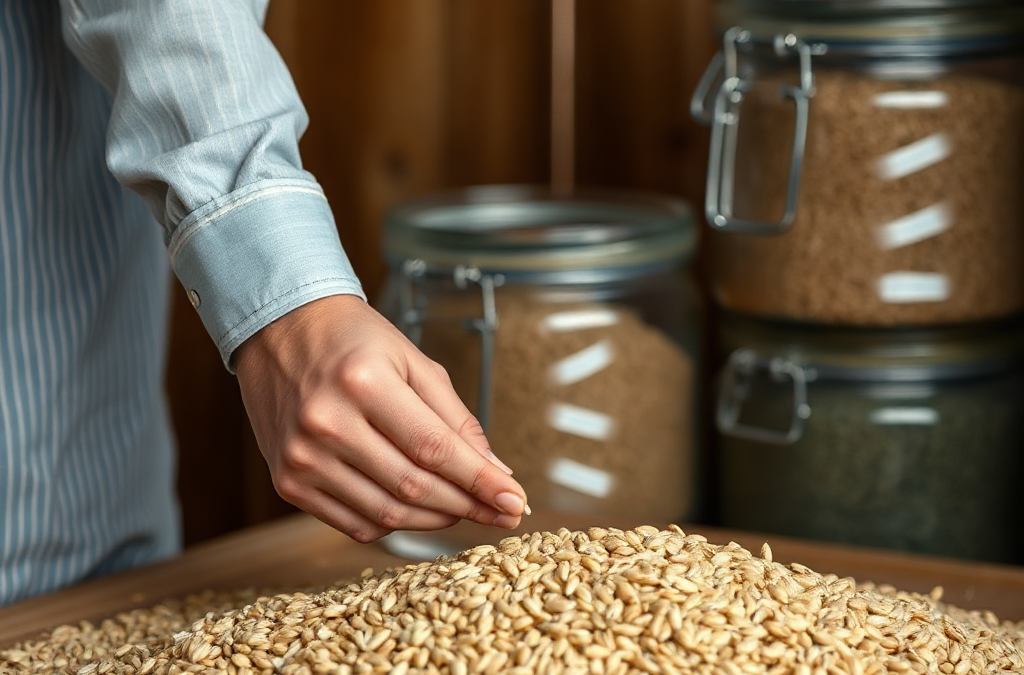
To assess grain quality before storage, focus on moisture content, pest presence, and visual characteristics. Aim for moisture levels below 14% to prevent spoilage and mold growth. Use a calibrated moisture meter for accurate readings. Additionally, inspect for signs of pests, such as holes or droppings, and ensure your storage containers are clean and sealed. Regular monitoring of humidity levels in storage areas is vital to maintain grain quality and safety.
Understanding Moisture Content
Moisture content is a critical factor when assessing grain quality before storage. Ideally, grain should have a moisture level below 14%, as higher levels can lead to mold growth and spoilage. To measure moisture content accurately, use a calibrated moisture meter. This tool provides quick and reliable readings, allowing you to make informed decisions about storage conditions.
When grain has excessive moisture, it becomes susceptible to fungal infections, which can compromise its quality and safety. For instance, corn stored with a moisture level above 15% may experience a rapid increase in mold, resulting in significant losses. Therefore, before storage, ensure that your grain is adequately dried, especially if it has been harvested recently during a wet season.
Additionally, consider the storage environment. Proper ventilation can help maintain low moisture levels. If storing grain in a silo, monitor humidity levels regularly to prevent condensation, which can also lead to moisture accumulation.
Identifying Pest Infestation
Pest infestation is another significant concern when assessing grain quality before storage. Common pests include weevils, moths, and beetles, which can cause severe damage to stored grains. To identify infestations, conduct a thorough inspection of the grain batch. Look for signs such as holes in the grain, frass (insect droppings), and webbing, which may indicate the presence of pests.
Implementing preventative measures is essential. Use clean, dry containers for storage and ensure they are properly sealed to minimize pest entry. Regularly inspect the storage area for signs of infestation and consider using traps or natural repellents to deter pests. If an infestation is detected, promptly remove affected grains and treat the area to prevent further spread.
Visual Inspection Techniques
Visual inspection plays a vital role in evaluating grain quality before storage. Begin by examining the overall appearance of the grains. Look for any discoloration, irregular shapes, or signs of decay, which can indicate quality issues. Healthy grains should be uniform in color and free from blemishes.
Furthermore, assess the smell of the grain. A musty or sour odor can signal spoilage or mold growth. If you detect any off-putting smells, it’s crucial to address the issue before storage. This may involve discarding affected grains or improving drying techniques to ensure quality.
Remember that visual inspections should be complemented by other assessment methods, such as moisture testing and pest checks. This multi-faceted approach will provide a comprehensive understanding of the grain’s quality.
The Role of Grain Testing
Grain testing is an essential step in assessing quality before storage. It involves laboratory analysis to determine the presence of contaminants, such as mycotoxins, which can pose health risks. Mycotoxins are toxic compounds produced by certain molds and can be harmful if ingested.
Testing can also reveal nutritional content, which is vital for understanding the grain’s value for feed or consumption. For example, high levels of protein or specific nutrients may enhance the grain’s marketability. Engage with local agricultural extension services or certified laboratories to conduct thorough testing of your grain batch.
Get Whole Wheat Flour, Grains and Milling Supplies – CLICK HERE

While testing may involve additional costs, it can save significant losses in the long run by ensuring that only high-quality grain is stored. Make it a regular practice to test your grain, especially if you are unsure about its quality or have experienced issues in the past.
Frequently Asked Questions
What is the ideal moisture content for stored grain?
The ideal moisture content for stored grain is below 14% to prevent spoilage and mold growth.
How can I identify pest infestations in stored grain?
Look for signs such as holes in the grain, frass, and webbing during visual inspections.
Why is visual inspection important for grain quality?
Visual inspection helps identify discoloration, irregular shapes, and odors that indicate quality issues.
What role does grain testing play?
Grain testing evaluates contaminants and nutritional content, ensuring safe and valuable storage.
How often should I test my grain?
Regular testing is recommended, especially if quality concerns arise or after wet harvests.
Conclusion
Assessing grain quality before storage is crucial for ensuring its safety and usability. By focusing on moisture content, pest identification, visual inspections, and testing, you can significantly reduce the risk of spoilage and maintain high-quality grains. Implementing these practices will not only protect your investment but also enhance the overall efficiency of your grain storage operations.
Get Whole Wheat Flour, Grains and Milling Supplies – CLICK HERE
Auto Amazon Links: No products found.
Further Reading
Authoritative Sources
- The Ultimate Guide to Grain Storage and Drying
kbsilo.comRegular Quality Inspection: Regular sampling is conducted to test indicators such as moisture, fatty acid content, germination rate, and taste scores to ...
- Harvest strategies for managing grain quality, safety risks and ...
cfbf.usAdapting harvest and storage practices is key to avoiding costly losses and maintaining safe operations during the busy harvest season.
- GRAIN QUALITY - Purdue Extension
extension.purdue.eduTo obtain accurate moisture readings, a representative sample must be obtained, the tester must be used properly, and the tester must be ...
- Grain Quality Assessment and Preservation | PDF | Cereals
scribd.comThe document discusses quality assessment of grains. It describes how grains undergo various pre-processing treatments that can alter their nutritional ...