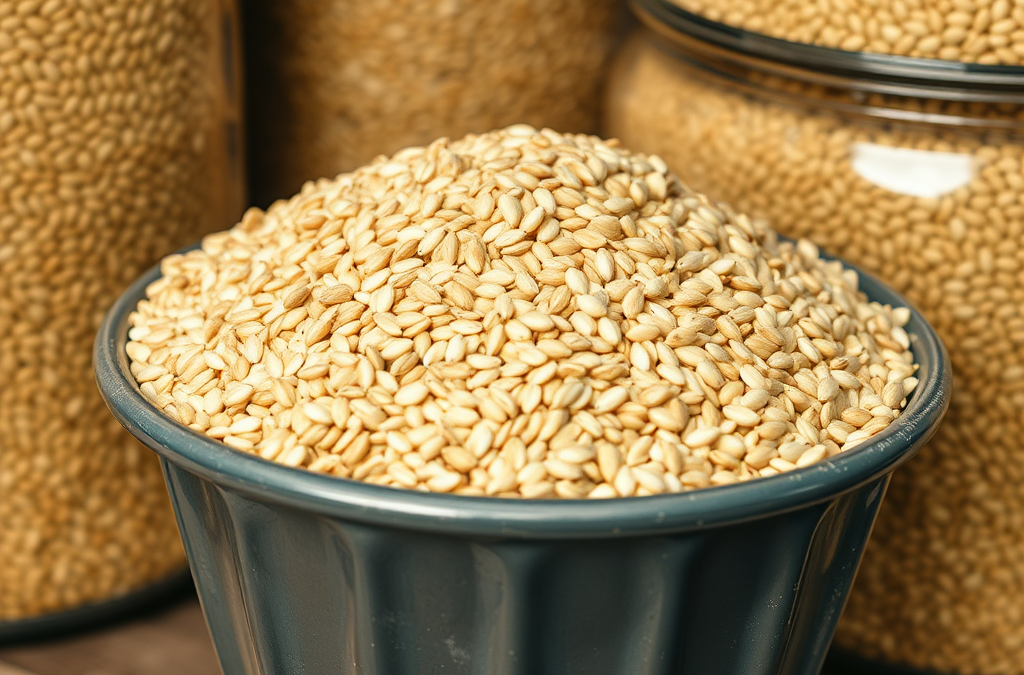
To maintain the freshness of stored grains, you should check them at least once a month. Regular inspections help you identify issues like moisture, pests, or spoilage, which can compromise quality. Look for signs such as unusual odors, discoloration, or the presence of insects. It's crucial to prioritize these checks to ensure the grains remain safe and usable for extended periods.
Understanding Grain Freshness
The freshness of stored grains is critical for ensuring their quality and usability. Fresh grains retain their nutritional value, flavor, and texture, while stale grains can lead to food waste and health risks. Freshness is influenced by several factors, including moisture content, temperature, and exposure to pests. By checking stored grains regularly, you can prevent deterioration and maintain their quality over time.
Grains such as wheat, rice, corn, and barley have different shelf lives, which can be affected by how they are stored. For instance, whole grains generally have a shorter shelf life compared to processed grains due to their higher oil content. Understanding the specific requirements of the grains you store can help you determine how often to check them for freshness.
Factors Influencing Inspection Frequency
Several factors can impact how often you should check your stored grains for freshness. First and foremost, the type of grain plays a significant role. For example, whole grains like brown rice may require more frequent checks compared to white rice, which has a longer shelf life. Additionally, the storage environment can affect grain freshness. High humidity levels, temperature fluctuations, and exposure to sunlight can accelerate spoilage.
Another important consideration is the duration of storage. If you plan to keep grains for an extended period, more frequent inspections—ideally every month—are advisable. This allows you to catch any potential issues early on, such as moisture accumulation or pest infestations, that could compromise the grains’ quality.
Effective Inspection Methods
Regular inspections are essential, but knowing how to conduct them effectively is equally important. Begin by visually inspecting the grains for any signs of spoilage or pests. Look for discoloration, mold, or unusual odors, which may indicate that the grains are no longer fresh. If possible, taste a small sample to assess quality; fresh grains should have a pleasant taste.
Using tools such as moisture meters can enhance your inspections. These devices help you measure the moisture content of stored grains accurately. Ideally, grains should be stored at a moisture level of around 12-14% to prevent spoilage. If moisture levels exceed this range, consider using desiccants or adjusting your storage conditions to maintain optimal freshness.
Get Whole Wheat Flour, Grains and Milling Supplies – CLICK HERE

Common Issues to Watch For
When checking stored grains for freshness, be vigilant about common issues that can arise. One of the most significant risks is moisture buildup, which can lead to mold growth and attract pests. If you notice any signs of insects or rodents, take immediate action to address the infestation and prevent further damage.
Another issue to keep an eye on is the presence of off-odors, which can signal spoilage or rancidity. Grains that have absorbed moisture can develop a musty smell, indicating that they may no longer be safe to consume. Regular inspections help you identify these problems early, allowing you to take corrective measures before the situation worsens.
Get Whole Wheat Flour, Grains and Milling Supplies – CLICK HERE
Auto Amazon Links: No products found.