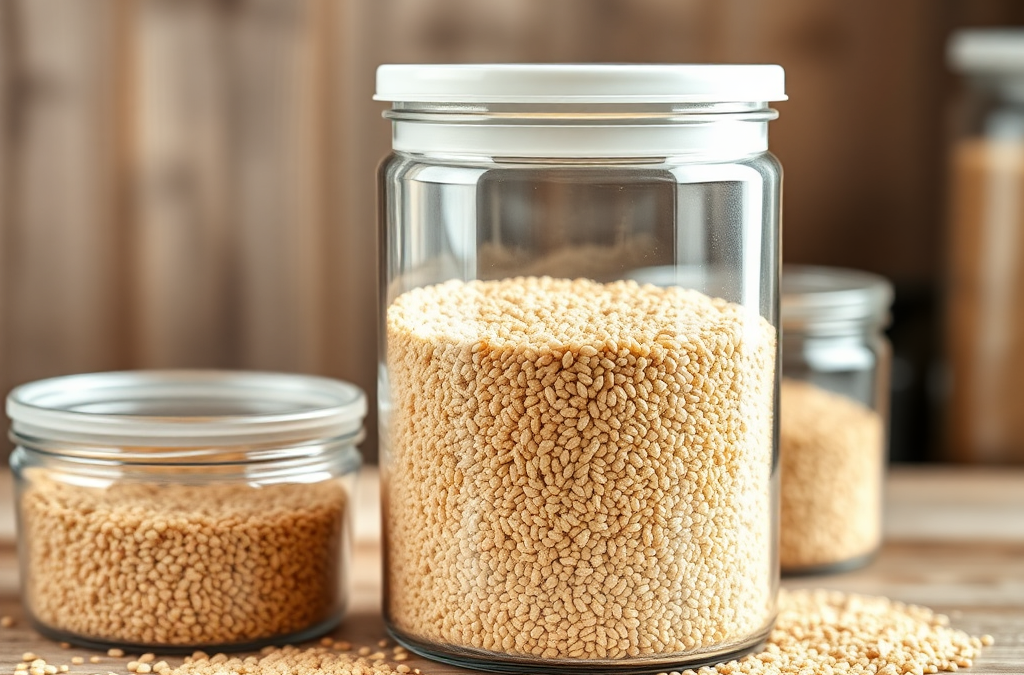
Airtight containers are crucial for storing grains as they effectively prevent moisture, pests, and spoilage. These containers create a sealed environment that inhibits the growth of mold and bacteria, ensuring grains remain fresh for longer. Additionally, they protect against pests like weevils, which can infest stored grains, leading to significant losses. Selecting high-quality airtight containers is essential for maintaining the quality and longevity of stored grains.
Understanding Airtight Containers
Airtight containers are designed to prevent air exchange, thereby keeping the contents isolated from external environmental factors. This is particularly important for grains, which are susceptible to moisture and pests. By creating a sealed environment, these containers help in maintaining the freshness and quality of grains over extended periods. Understanding how airtight containers function is essential for effective grain storage.
The mechanism behind airtight containers involves a tight seal that blocks air, moisture, and contaminants. This sealing can be achieved through various designs, including screw tops, vacuum sealing, or gaskets. These features are crucial in grain storage as they help to maintain the integrity of the grains, preventing spoilage and preserving nutritional value.
For example, grains stored in airtight containers can last significantly longer than those left in open bags or loose jars. The absence of air and moisture leads to a reduction in the growth of mold and bacteria, which can otherwise compromise the safety and quality of the grains.
Benefits of Using Airtight Containers
The benefits of using airtight containers for grains extend beyond mere freshness. One of the primary advantages is the protection against pests. Grains are often targeted by insects such as weevils and moths, which can infest and ruin stored supplies. Airtight containers act as a barrier, preventing these pests from accessing the grains.
Another significant benefit is moisture control. Grains are hygroscopic, meaning they can absorb moisture from the air. This can lead to spoilage, clumping, and the growth of harmful mold. Airtight containers effectively mitigate this risk by keeping the internal environment dry, thereby extending the shelf life of the grains.
Moreover, airtight containers can also protect grains from external odors and contaminants. When grains are stored in non-airtight environments, they can absorb unpleasant smells or chemicals, which can alter their flavor and safety. By sealing grains in airtight containers, you ensure they remain untainted and true to their original flavor.
Choosing the Right Airtight Containers
When selecting airtight containers for grain storage, several factors should be considered to ensure optimal protection. First, the material of the container is crucial. Containers made of glass, stainless steel, or BPA-free plastic are ideal as they do not react with the contents and provide a strong barrier against air and moisture.
Additionally, size and shape matter. Choose containers that match the quantity of grains you intend to store. Avoid overfilling containers, as this can compromise the seal and allow air to enter. It is also advisable to select containers with wide openings for easy access and cleaning.
Another important feature is the sealing mechanism. Look for containers with airtight seals or vacuum options to ensure the best protection. Some containers come with built-in vacuum pumps, which can be helpful for long-term storage.
Common Mistakes in Grain Storage
Even with the best intentions, mistakes can occur in grain storage that undermine the effectiveness of airtight containers. One common mistake is not checking the seals regularly. Over time, seals can wear out or become damaged, allowing air and moisture to enter. Regular inspection and maintenance of the seals can prevent this issue.
Get Whole Wheat Flour, Grains and Milling Supplies – CLICK HERE

Another frequent error is storing grains in inappropriate locations. Ideal storage places should be cool, dark, and dry. Exposure to heat and light can degrade the quality of grains, regardless of how well they are sealed. Avoid placing containers in areas with fluctuating temperatures, such as near ovens or windows.
Lastly, failing to label containers can lead to confusion and waste. Labeling your containers with the type of grain and the storage date can help you keep track of freshness and rotation, ensuring that older grains are used first.
Frequently Asked Questions
Why are airtight containers preferred for grain storage?
Airtight containers are preferred for grain storage because they prevent moisture, pests, and spoilage, ensuring grains remain fresh for longer periods.
How long can grains last in airtight containers?
Grains can last for several months to years in airtight containers, depending on the type of grain and storage conditions, but they typically remain fresh for much longer than in non-airtight environments.
What materials are best for airtight containers?
Glass, stainless steel, and BPA-free plastic are the best materials for airtight containers as they provide strong barriers against air and moisture without reacting with the contents.
Can I reuse containers for different types of grains?
Yes, you can reuse containers for different types of grains, but it is important to clean them thoroughly to avoid contamination and ensure that odors do not transfer.
How do I maintain the integrity of airtight seals?
To maintain the integrity of airtight seals, regularly inspect them for wear and damage, and ensure that containers are not overfilled, which can compromise the seal.
Conclusion
Utilizing airtight containers for grain storage is essential for maintaining freshness and preventing spoilage. The advantages of moisture control, pest protection, and odor prevention cannot be overstated. By selecting the right containers, regularly checking seals, and storing grains properly, you can significantly extend the shelf life of your grains. Prioritizing these practices will ensure that you always have high-quality grains on hand for your culinary needs.
Get Whole Wheat Flour, Grains and Milling Supplies – CLICK HERE
Auto Amazon Links: No products found.