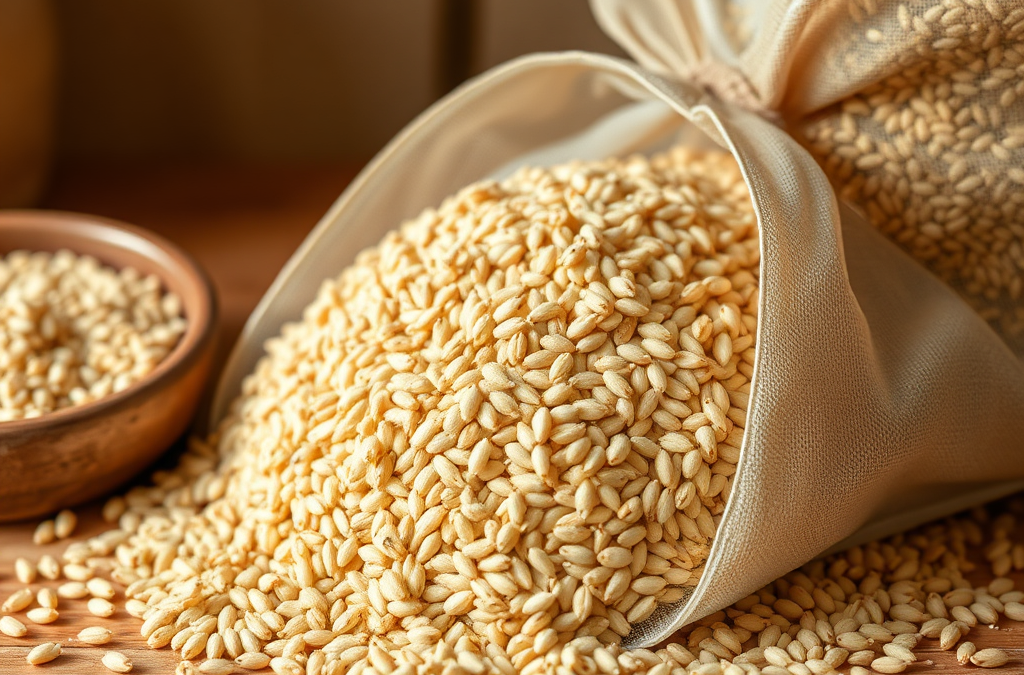
Using natural preservatives for grain storage involves incorporating ingredients like diatomaceous earth and essential oils to prevent spoilage and pest infestations. Diatomaceous earth acts as a barrier against insects, while essential oils like clove and rosemary have antimicrobial properties. Proper application and dosage are crucial, as too little may be ineffective and too much could alter grain quality. Understanding the right preservatives and methods enhances grain longevity and maintains quality.
Understanding Natural Preservatives
Natural preservatives are substances derived from natural sources that help extend the shelf life of food products, including grains. They work by inhibiting the growth of microorganisms, preventing spoilage, and protecting against pests. Understanding how these preservatives function is essential for effective grain storage. Grains are susceptible to mold, insects, and other forms of spoilage, which can compromise their quality and safety. By utilizing natural preservatives, grain storage can be optimized, ensuring that the grains remain fresh and safe for consumption.
Natural preservatives, unlike synthetic options, are generally regarded as safer and more environmentally friendly. They can be derived from plants, minerals, or even fermentation processes. This makes them an appealing choice for those looking to store grains in a more sustainable manner. Moreover, the use of natural preservatives often aligns with a growing consumer preference for clean-label products, which do not contain artificial additives.
Effective Natural Preservatives for Grain
Several natural preservatives have proven effective in enhancing the shelf life of grains. Diatomaceous earth is a popular choice; it is a powdery substance made from fossilized algae that acts as a desiccant, absorbing moisture and creating an inhospitable environment for pests. When using diatomaceous earth, it is important to ensure that it is food-grade to avoid any harmful effects.
Essential oils are another effective option. Oils such as clove, rosemary, and oregano possess antimicrobial properties that can inhibit the growth of mold and bacteria. These oils can be mixed with grains or applied to storage containers. However, careful attention must be paid to the concentration of these oils, as excessive amounts can alter the flavor of the grains.
Another natural preservative is vinegar, which can be used to wash grains before storage. Vinegar’s acidity helps kill off any potential pathogens. After washing the grains, they should be dried thoroughly before storage to prevent moisture buildup.
Application Techniques for Preservation
Applying natural preservatives effectively is crucial for maintaining grain quality. When using diatomaceous earth, it should be evenly distributed throughout the grain storage container. A ratio of 1-2% of diatomaceous earth to the total weight of the grains is typically recommended. This ensures that the grains are adequately protected without overwhelming them with the powder.
For essential oils, a few drops mixed with a carrier oil can be effective. This mixture can be sprayed onto the grains or added to storage containers. It is essential to allow the grains to air out after applying essential oils to prevent any strong odors from developing.
When washing grains with vinegar, a mixture of one part vinegar to three parts water is usually effective. The grains should be soaked for a few minutes, rinsed thoroughly, and then dried completely before storage. This method not only helps in preservation but also enhances the cleanliness of the grains.
Common Mistakes to Avoid
One common mistake in using natural preservatives for grain storage is not adhering to proper ratios. Overusing diatomaceous earth or essential oils can lead to undesirable changes in grain flavor or texture. It is crucial to follow guidelines for application amounts to prevent compromising grain quality.
Another pitfall is neglecting to monitor the storage conditions. Even with preservatives, grains must be stored in a cool, dry place. Excess moisture can lead to mold growth, negating the benefits of the preservatives used. Regularly checking the condition of stored grains can help catch any issues early.
Get Whole Wheat Flour, Grains and Milling Supplies – CLICK HERE

Lastly, failing to clean the storage containers can introduce contaminants that may spoil the grains. Before using any storage container, it should be thoroughly cleaned and dried to ensure the grains are kept in optimal conditions.
Frequently Asked Questions
What are natural preservatives?
Natural preservatives are substances derived from natural sources that inhibit microbial growth and extend the shelf life of food.
How does diatomaceous earth help in grain storage?
Diatomaceous earth acts as a desiccant, absorbing moisture and preventing pest infestations in stored grains.
Can essential oils alter the flavor of grains?
Yes, excessive use of essential oils can impact the flavor of grains, so it's crucial to use them in moderation.
Is vinegar effective for grain preservation?
Vinegar can be used to wash grains, helping to kill pathogens, but grains must be dried thoroughly afterward.
What storage conditions are best for grains?
Grains should be stored in cool, dry places, away from moisture and pests, to ensure the effectiveness of natural preservatives.