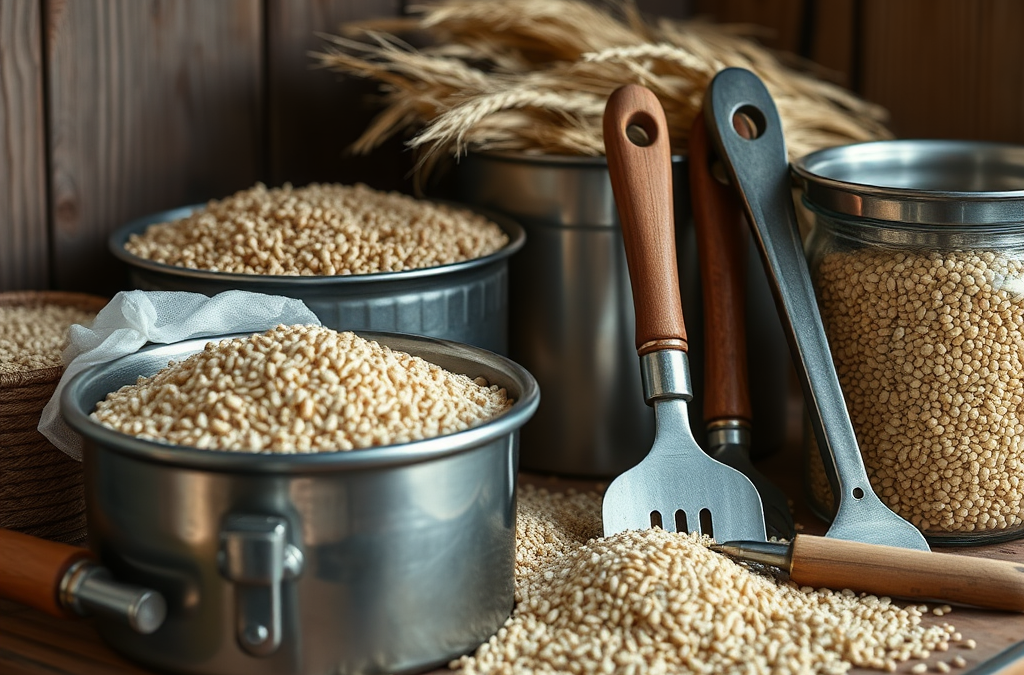
Essential tools for effective grain storage include moisture meters, aeration systems, and pest management solutions. Moisture meters are vital for maintaining optimal moisture levels, typically between 12-14%, to prevent mold and spoilage. Aeration systems regulate temperature and humidity, further safeguarding grain quality. Additionally, implementing pest management strategies, such as traps and insecticides, is crucial for protecting stored grains from infestations. Regular monitoring and timely interventions using these tools can significantly enhance the longevity and market value of stored grains.
Understanding the Importance of Grain Storage Tools
Effective grain storage is vital for preserving quality and minimizing losses due to spoilage or pest infestations. Utilizing the right tools not only extends the shelf life of grains but also enhances their market value. By understanding the importance of these tools, grain producers can implement appropriate measures to safeguard their harvests.
Grain storage environments must be carefully controlled, as factors such as moisture content and temperature directly impact grain quality. Without effective tools, grains can be susceptible to mold growth, insect infestations, and spoilage. Thus, investing in quality storage tools is not just a matter of convenience; it is essential for maintaining the integrity of stored grains.
Essential Equipment for Grain Storage
Several key tools are fundamental to effective grain storage. These include moisture meters, aeration systems, and pest management solutions. Each tool plays a specific role in preserving grain quality.
Moisture Meters
Moisture meters are critical for monitoring the moisture levels of stored grains. The ideal moisture content varies by grain type, but generally, a level between 12-14% is recommended for long-term storage. Excess moisture can lead to mold and spoilage, while too little moisture can cause grains to dry out and lose quality.
Regularly checking moisture levels allows for timely interventions, such as adjusting aeration or implementing drying techniques. Investing in a reliable moisture meter can save significant losses in the long run.
Aeration Systems
Aeration systems help maintain the ideal temperature and humidity levels within storage facilities. By circulating air through the stored grains, these systems reduce the risk of hot spots that can lead to spoilage and pest infestations. Proper air circulation also assists in achieving uniform moisture content across the grain batch.
When setting up an aeration system, it is essential to consider the grain type, storage structure, and local climate conditions. For instance, in humid areas, continuous aeration may be necessary to prevent moisture buildup.
Pest Management Solutions
Preventing pest infestations is crucial for maintaining grain quality. Various pest management solutions, including traps, baits, and insecticides, can be employed to protect stored grains. Regular inspections are necessary to identify and address pest problems early.
Utilizing integrated pest management (IPM) strategies can enhance the effectiveness of pest control efforts. IPM combines biological, cultural, and chemical methods, allowing for a comprehensive approach to pest management.
Techniques for Effective Grain Storage
In addition to essential tools, specific techniques can further enhance grain storage practices. These include proper cleaning, effective sealing, and monitoring.
Proper Cleaning
Before storing grains, it is vital to clean both the grains and the storage facility. This helps remove any residual pests or contaminants that could compromise grain quality. Regular cleaning of storage bins and equipment also prevents the buildup of mold and bacteria.
Effective Sealing
Sealing storage bins properly can significantly reduce the risk of pest infestations and moisture intrusion. Using airtight containers or sealing bins with plastic sheeting can help maintain a stable environment for stored grains.
Get Whole Wheat Flour, Grains and Milling Supplies – CLICK HERE

Monitoring Conditions
Continuous monitoring of storage conditions is essential for identifying potential issues before they escalate. Implementing digital monitoring systems can provide real-time data on moisture levels, temperature, and pest activity, allowing for timely interventions.
Common Mistakes to Avoid in Grain Storage
Even with the best tools and techniques, certain mistakes can undermine grain storage efforts. Common pitfalls include neglecting to monitor moisture levels, overloading storage bins, and failing to regularly inspect for pests.
One significant mistake is assuming that once grains are stored, they require no further attention. Regular checks and maintenance are crucial to ensure that storage conditions remain optimal.
Another common error is not adapting storage practices to specific grain types. Different grains have unique storage requirements, and failing to account for these can lead to spoilage or loss of quality.
Frequently Asked Questions
What are the main tools needed for grain storage?
The main tools include moisture meters, aeration systems, and pest management solutions.
How can moisture levels affect grain storage?
Excess moisture can lead to mold growth and spoilage, while low moisture can cause grains to dry out and lose quality.
What is the role of aeration in grain storage?
Aeration helps maintain optimal temperature and humidity levels, reducing the risk of spoilage and pest infestations.
Why is regular cleaning important for grain storage?
Regular cleaning removes pests and contaminants, preventing mold growth and maintaining grain quality.
What common mistakes should be avoided in grain storage?
Common mistakes include neglecting moisture monitoring, overloading bins, and failing to inspect for pests regularly.
Further Reading
Authoritative Sources
- Whole Grains Council Grain Resources
wholegrainscouncil.orgPractical grain education covering whole grains, oats, milling context, and food-use guidance.
- USDA FoodData Central Grain Nutrition Data
fdc.nal.usda.govUSDA food composition data useful for oats, flour, meal, and grain-based nutrition references.
- USDA Agricultural Research Service
ars.usda.govAgricultural research resources related to grains, crops, processing, and food quality.