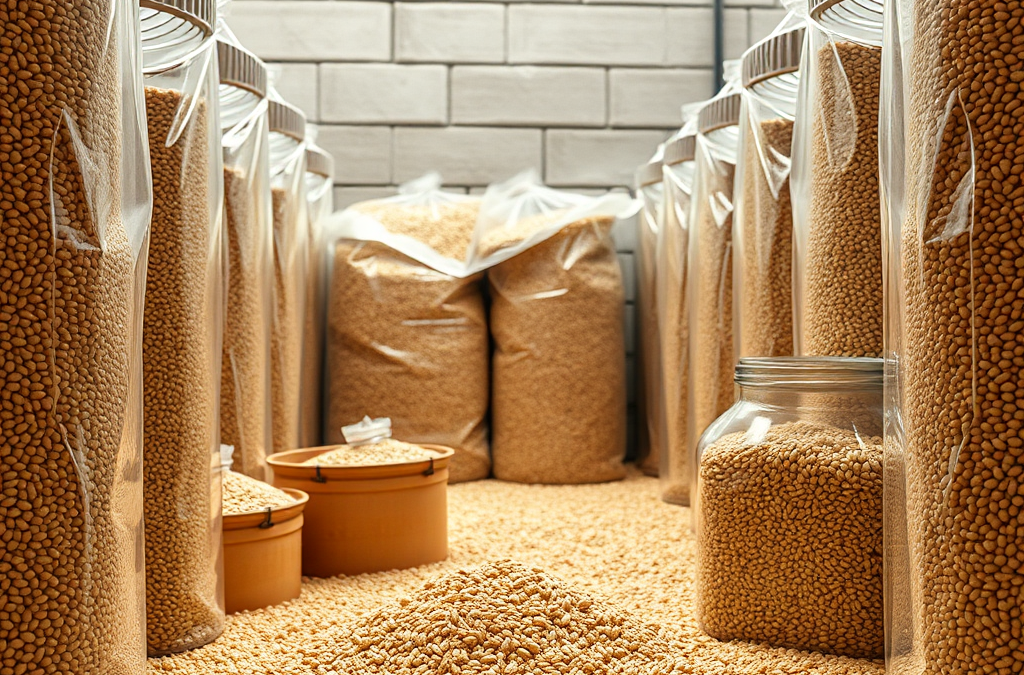
To maintain grain freshness during power outages, ensure proper sealing, use moisture-absorbing agents, and store grains in a cool, dark place. These steps help prevent spoilage from heat and humidity, which can lead to mold growth and nutrient loss. Regularly checking stored grains for signs of spoilage is also crucial, as it allows for timely action to preserve quality and safety.
Understanding the Risks of Power Outages
Power outages can significantly impact grain freshness, primarily due to temperature fluctuations and increased humidity. When power is lost, any temperature-controlled environments, such as grain silos or storage facilities, can rise to levels conducive to spoilage. Grains are sensitive to temperature and moisture, both of which can lead to mold growth, insect infestations, and nutrient degradation. Understanding these risks is the first step in implementing effective storage strategies.
During a power outage, the lack of ventilation can trap heat and humidity inside storage containers, creating an ideal environment for spoilage. Additionally, the longer the outage lasts, the higher the likelihood of damage to the grains. Therefore, proactive measures are essential to mitigate these risks and maintain grain quality.
Best Practices for Grain Storage
Proper storage techniques are fundamental to preserving grain freshness during power outages. First, ensure that all grains are stored in airtight containers to minimize exposure to air and moisture. Containers such as sealed glass jars, plastic bins, or metal drums can effectively protect grains from external elements.
It’s also crucial to store grains in a cool, dark, and dry environment. Ideal storage temperatures for most grains range between 50°F and 70°F. If you anticipate a power outage, consider relocating grains to the coolest part of your home or facility. Placing grains on elevated shelves can help avoid moisture from the ground and allow for better airflow.
Another best practice is to use food-grade diatomaceous earth or silica gel packs within storage containers. These materials can help absorb excess moisture and keep grains dry, further preventing spoilage. Regularly checking the integrity of your containers and the condition of the grains can help catch any potential issues early.
Using Moisture Control Methods
Moisture control is vital in maintaining grain freshness during power outages. One effective method is to include moisture-absorbing agents in your storage containers. For example, food-grade diatomaceous earth not only helps absorb moisture but also deters pests. Adding a layer of this material at the bottom of your storage container can create an effective barrier against humidity.
Another option is to utilize oxygen absorbers, which can help reduce the oxygen level inside the packaging. Lower oxygen levels can hinder the growth of mold and bacteria, thereby extending the shelf life of stored grains. Ensure that these absorbers are used according to the manufacturer’s instructions for optimal effectiveness.
In addition to these methods, regularly monitoring humidity levels using hygrometers can provide insights into the storage environment. If humidity levels rise above 60%, it may indicate the need for immediate action to prevent spoilage. Implementing these moisture control strategies can make a significant difference in grain preservation during power outages.
Monitoring and Inspecting Stored Grains
Regular monitoring and inspection of stored grains are essential to maintaining their freshness, especially during power outages. Establish a routine schedule to check your grain supplies for any signs of spoilage, such as unusual odors, discoloration, or the presence of pests. Early detection can prevent a small issue from turning into a larger problem.
When inspecting grains, look for clumping or moisture accumulation, which can indicate humidity issues. If you notice any signs of spoilage, it’s crucial to remove the affected grains immediately to prevent contamination of the rest. Keeping a log of your inspections can help you track conditions over time and identify patterns that may require adjustments in your storage techniques.
Get Whole Wheat Flour, Grains and Milling Supplies – CLICK HERE

In addition to visual inspections, consider using sensors that can alert you to changes in temperature or humidity. These devices can provide peace of mind during extended power outages, ensuring that you can respond quickly to any changes that may affect your grain’s freshness.
For those looking to deepen their understanding of grain storage and preservation techniques, refer to resources from agricultural extensions, food safety organizations, and grain storage experts. These resources provide valuable insights into best practices and innovative storage solutions tailored to various grain types and conditions.
Frequently Asked Questions
What should I do if my stored grains show signs of spoilage?
If you notice any signs of spoilage, such as off odors or discoloration, remove the affected grains immediately to prevent further contamination.
How can I tell if my grain storage area is too humid?
Use a hygrometer to monitor humidity levels; levels above 60% indicate that conditions may be too humid for proper grain storage.
What types of containers are best for storing grains?
Airtight containers such as glass jars, plastic bins, or metal drums are ideal for keeping grains fresh and preventing moisture exposure.
Can I use regular plastic bags for grain storage?
Regular plastic bags are not recommended as they do not provide an airtight seal and can allow moisture in, leading to spoilage.
How often should I check my stored grains?
Inspect your stored grains at least once a month to catch any signs of spoilage or changes in conditions early.
Further Reading
Authoritative Sources
- FEMA National Preparedness
fema.govFederal preparedness, mitigation, response, and community-resilience resources.
- Ready.gov Preparedness Guidance
ready.govOfficial household preparedness guidance, checklists, alerts, and emergency planning resources.
- National Weather Service Safety
weather.govOfficial hazard, weather-readiness, and safety information.
- American Red Cross Emergency Preparedness
redcross.orgPractical emergency preparation, safety, and supply guidance for households.