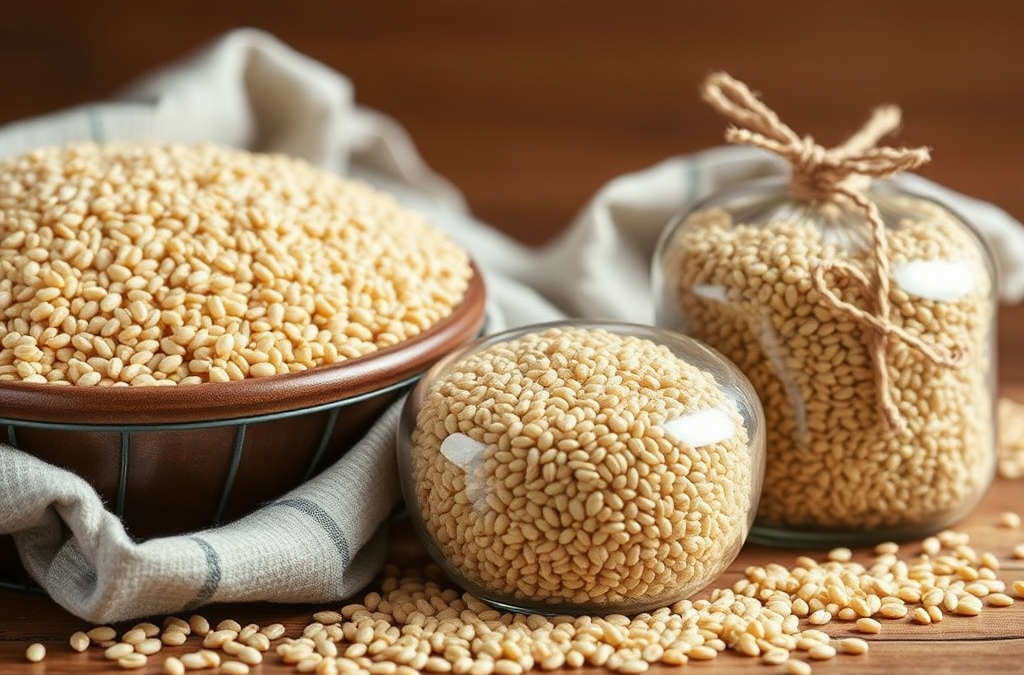
To effectively store non-GMO grains, maintain a cool, dark, and dry environment, ideally below 70°F (21°C) with humidity levels under 15%. Using airtight containers such as glass jars or vacuum-sealed bags is essential to prevent moisture and pests from compromising grain quality. Regularly inspect stored grains for spoilage signs, as non-GMO varieties are particularly sensitive to environmental conditions. Understanding the specific moisture and oil content of different non-GMO grains can further enhance their shelf life and nutritional value, ensuring they remain fresh and safe for consumption.
Understanding Non-GMO Grains and Their Storage Needs
Non-GMO grains, which are cultivated without genetically modified organisms, require specific storage methods to maintain their quality and nutritional content. These grains are often more sensitive to environmental factors than their GMO counterparts, making proper storage crucial. Understanding the unique characteristics of non-GMO grains—such as their moisture content, oil content, and susceptibility to pests—helps in determining the best storage practices.
One common misconception is that all grains can be stored in the same way. Non-GMO grains often have different oil and moisture levels, which can affect their shelf life. For example, grains like quinoa and amaranth have higher oil content and require cooler storage temperatures to prevent rancidity. The goal of effective storage is to create an environment that minimizes degradation and extends shelf life.
Optimal Conditions for Storing Non-GMO Grains
To effectively store non-GMO grains, it is essential to maintain optimal conditions that prevent spoilage. The ideal storage environment includes a cool, dark, and dry place. Temperature is a significant factor; grains should be stored at temperatures below 70°F (21°C) to inhibit the growth of mold and bacteria. Additionally, humidity levels should be kept below 15% to prevent moisture-related spoilage.
Airtight containers are highly recommended for storing non-GMO grains. These containers prevent moisture and pests from entering, which can compromise the quality of the grains. Glass jars, vacuum-sealed bags, and food-grade plastic containers are excellent options. Labeling containers with the storage date helps keep track of freshness and usability.
Regular checks for signs of spoilage, such as discoloration, off-odors, or insect activity, are crucial. If grains are found to be spoiled, it is vital to discard them immediately to prevent contamination of other stored products.
Common Mistakes in Grain Storage
Many individuals make critical mistakes when storing non-GMO grains that can lead to spoilage and waste. One of the most prevalent errors is storing grains in non-airtight containers, which allows moisture and pests to invade. Additionally, failing to monitor humidity and temperature can result in a conducive environment for mold growth.
Another common mistake is neglecting to rotate stock properly. Using older grains first ensures that they are consumed before their quality diminishes. Storing new grains on top of older ones can lead to older grains being forgotten and lost to spoilage.
Lastly, many people underestimate the importance of cleanliness in storage areas. Grains should be stored away from strong-smelling substances, as they can absorb odors and flavors, compromising their taste. Keeping the storage area clean and organized minimizes the risk of contamination.
Effective Pest Control Strategies
Pests can pose a significant threat to non-GMO grain storage, leading to contamination and loss. Implementing effective pest control strategies is essential for maintaining grain quality. First, ensure that storage areas are clean and free of food debris that may attract pests. Regularly inspect stored grains for signs of infestation and act quickly if any are found.
Using natural deterrents such as bay leaves or diatomaceous earth can help keep pests at bay without introducing harmful chemicals. Additionally, sealing all entry points in storage areas can prevent pests from gaining access. If an infestation occurs, it may be necessary to remove and dispose of affected grains properly.
Get Whole Wheat Flour, Grains and Milling Supplies – CLICK HERE

Understanding the importance of proper storage methods for non-GMO grains enables consumers to preserve their quality and nutritional value effectively. For more detailed information, consider exploring resources from agricultural extensions or grain storage experts.
Frequently Asked Questions
What temperature is best for storing non-GMO grains?
The best temperature for storing non-GMO grains is below 70°F (21°C) to prevent spoilage and maintain quality.
How can I tell if my stored grains have gone bad?
Signs of spoilage in stored grains include discoloration, off-odors, and the presence of insects or mold.
Can I store non-GMO grains in plastic containers?
Yes, but ensure they are food-grade and airtight to prevent moisture and pests from entering.
How long do non-GMO grains last when stored properly?
When stored properly, non-GMO grains can last anywhere from 6 months to several years, depending on the type.
What is the best way to prevent pests in grain storage?
Keeping storage areas clean, sealing entry points, and using natural deterrents can help prevent pest infestations.
Conclusion
Proper storage methods for non-GMO grains are essential for maintaining their quality and extending their shelf life. By ensuring optimal temperature, humidity control, and effective pest management, you can protect your grains from spoilage. Remember to use airtight containers, monitor regularly for signs of degradation, and practice cleanliness in storage areas. With these strategies, you can enjoy the nutritional benefits of non-GMO grains for longer periods.
Get Whole Wheat Flour, Grains and Milling Supplies – CLICK HERE
Related Content
Auto Amazon Links: No products found.