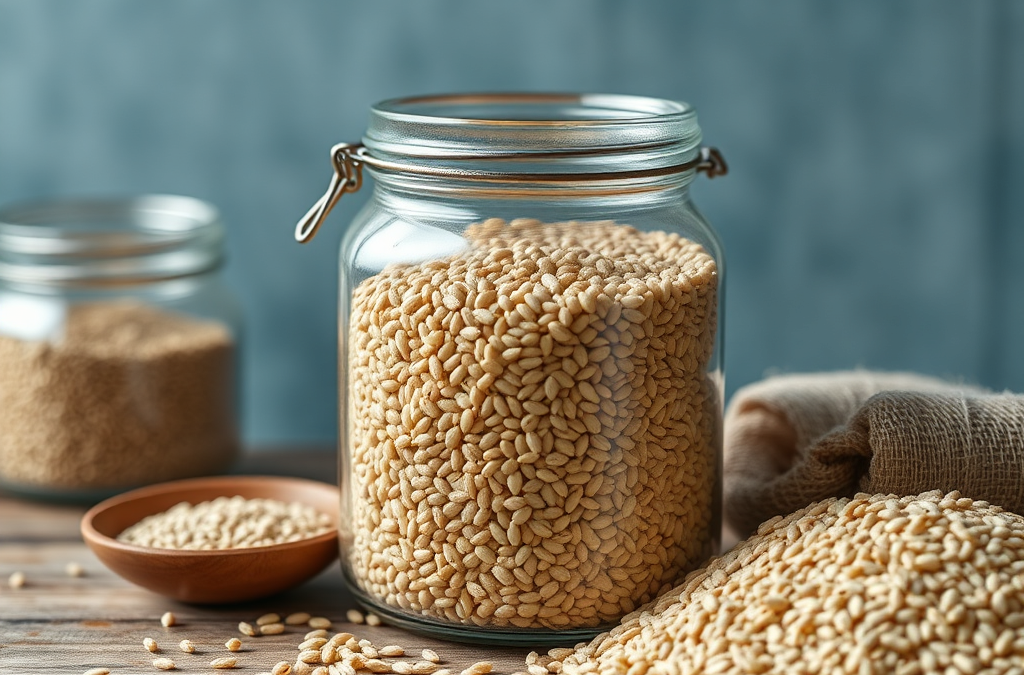
To store grains without refrigeration, use airtight containers in a cool, dry place, ensuring they are protected from moisture and pests. Properly dried grains can last for months or even years, depending on the type. Regularly inspect stored grains for signs of spoilage or insect activity, and consider using oxygen absorbers for added protection. Prioritize cleanliness and avoid mixing different grain types to maintain quality.
Understanding the Importance of Proper Grain Storage
Storing grains without refrigeration is crucial for maintaining their quality and longevity. Grains are susceptible to moisture, pests, and environmental factors that can lead to spoilage. Understanding the significance of proper storage practices can prevent losses and ensure that grains remain nutritious and safe for consumption. When stored correctly, grains can last for extended periods, making them ideal for long-term food storage.
Moisture is one of the primary enemies of grain storage, as it can lead to mold growth and attract pests. Therefore, controlling humidity levels is essential. Additionally, different types of grains have unique storage requirements; for instance, whole grains tend to store better than processed ones. Knowing the specific needs of each grain type can help in choosing the right storage method.
Choosing the Right Containers for Grain Storage
Airtight containers are vital for protecting grains from moisture and pests. Options include glass jars, food-grade plastic buckets, or metal containers with tight-fitting lids. When selecting containers, ensure they are clean and dry before use. Avoid using containers that previously held non-food substances, as residues can contaminate the grains.
Glass jars are excellent for small quantities and allow for easy visibility, but they can be heavy and breakable. Plastic buckets are lightweight and can hold larger amounts, but ensure they are food-grade to avoid chemical leaching. Metal containers can provide excellent protection against pests but may not be airtight unless sealed properly. Consider using oxygen absorbers within containers to extend shelf life by reducing oxidation.
Optimal Conditions for Storing Grains
To effectively store grains without refrigeration, place them in a cool, dry, and dark environment. Ideal temperatures are between 50°F and 70°F (10°C to 21°C), with humidity levels below 15%. A basement or a pantry can be suitable if they meet these conditions. Avoid storing grains in areas exposed to direct sunlight, as this can increase temperature and moisture levels.
Regularly check the storage area for signs of humidity or pest infestations. If possible, use a hygrometer to monitor humidity levels. If you notice moisture, consider moving the grains to a drier location or using desiccants to absorb excess moisture. Additionally, rotating your grain supply ensures that older grains are used first, minimizing waste.
Common Mistakes in Grain Storage
One of the most common mistakes in grain storage is failing to ensure containers are airtight. Even small openings can allow moisture and pests to enter, leading to spoilage. Additionally, mixing different types of grains in the same container can lead to cross-contamination and affect storage quality. Each grain has its unique storage requirements, and mixing them can complicate monitoring conditions.
Another mistake is overlooking the importance of cleanliness. Containers should be thoroughly cleaned and dried before use. Even tiny residues can attract pests or promote mold growth. Furthermore, neglecting to inspect stored grains regularly can result in unnoticed spoilage. Make it a habit to check for any signs of spoilage, such as off odors or discoloration, and take action immediately if detected.
Frequently Asked Questions
What is the best way to prevent pests in stored grains?
Use airtight containers and regularly inspect for signs of pests. Consider adding bay leaves or diatomaceous earth to deter insects.
How long can grains be stored without refrigeration?
Grains can last anywhere from several months to years, depending on the type and storage conditions.
Can I store cooked grains without refrigeration?
Cooked grains should be refrigerated or frozen to prevent spoilage; they are not suitable for long-term storage without refrigeration.
Is it safe to store grains in plastic containers?
Yes, but ensure they are food-grade and airtight to prevent contamination and moisture ingress.
How do I know if my stored grains have gone bad?
Signs include off odors, discoloration, and the presence of pests or mold. If any of these are present, discard the grains.
Conclusion
Proper grain storage without refrigeration is essential for maintaining quality and extending shelf life. By using airtight containers, monitoring conditions, and avoiding common mistakes, you can ensure your grains remain safe and nutritious for long-term use. Regular inspections and understanding the specific needs of different grains will help you achieve effective storage, making grains a reliable staple in your pantry.
Get Whole Wheat Flour, Grains and Milling Supplies – CLICK HERE

Related Content
- What Is Whole Wheat Flour?
- Grocery Store Items That You are Spending Far Too Much on
- The Ultimate Guide to the 2025 Best Way to Store Bulk Grains for Long-Term Freshness
- 10 Effective Tips on How to Keep Flour from Spoiling (2025 Guide)
- Food Storage and Emergency Readiness: Essential Foods and Strategies for Effective Preparedness
Auto Amazon Links: No products found.