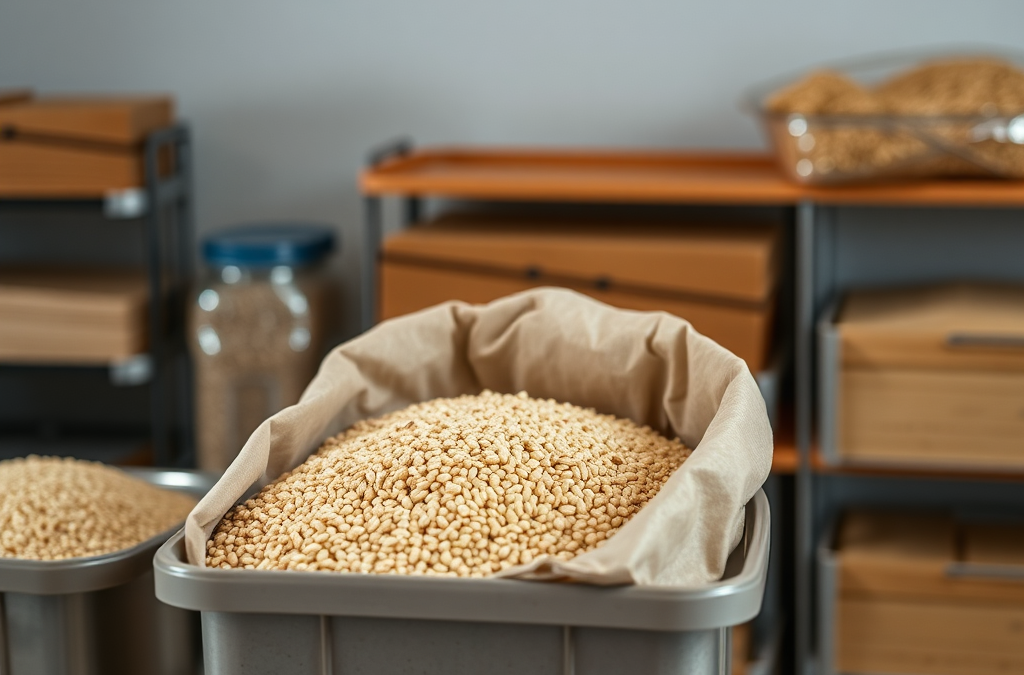
To assess grain shelf life accurately, focus on measuring moisture content, maintaining optimal storage temperatures, and minimizing exposure to light and air. Grains stored above 14% moisture are prone to spoilage, so using a moisture meter is essential for ensuring safe levels. Additionally, keeping grains in airtight containers in cool, dry environments can significantly extend their longevity. Regularly monitoring these conditions helps preserve grain quality and prevents loss due to mold or nutrient degradation. Understanding these factors will enhance your ability to manage and store grains effectively.
Understanding Grain Shelf Life
Grain shelf life refers to the duration that grains remain suitable for consumption without significant loss in quality. It is influenced by various factors, including the type of grain, storage conditions, and external environmental factors. Understanding these aspects is crucial for maintaining quality and ensuring safety in consumption. For example, whole grains generally have a longer shelf life than processed grains due to the preservation of their natural oils and nutrients. Knowing the specific characteristics of each grain type helps in making informed decisions about storage and usage.
Key Factors Influencing Shelf Life
Several key factors significantly influence the shelf life of grains, including moisture content, temperature, and exposure to light and air. Firstly, moisture content is a critical determinant; grains stored above 14% moisture are susceptible to mold and spoilage. Secondly, temperature plays a vital role; lower temperatures can slow down the deterioration process. Ideally, grains should be stored in cool, dry environments to maximize their longevity. Lastly, exposure to light and air can lead to oxidation and nutrient loss, further decreasing shelf life.
Methods for Assessing Shelf Life
Assessing the shelf life of grains involves a few practical steps. Start by checking the moisture content using a moisture meter; this device provides an accurate reading that indicates whether the grains are at a safe moisture level. Next, evaluate the storage conditions—ideally, grains should be kept in airtight containers in a dark, cool place. Regularly inspecting grains for signs of spoilage, such as unusual odors or discoloration, is also essential. By implementing these assessment methods, you can ensure that grains remain safe and nutritious for consumption.
Common Misconceptions About Grain Shelf Life
Many misconceptions exist regarding grain shelf life that can lead to improper storage practices. One common myth is that all grains have the same shelf life; in reality, factors such as grain type and processing methods create significant differences. Another misconception is that grains can be stored indefinitely; while some grains may last for years under ideal conditions, others may spoil much sooner. It’s essential to understand these distinctions to avoid unnecessary waste and ensure food safety.
Frequently Asked Questions
What is the ideal moisture content for storing grains?
The ideal moisture content for storing grains is below 14% to prevent spoilage and mold growth.
How can I tell if my grains have gone bad?
Signs that grains have gone bad include unusual odors, discoloration, and the presence of insects or mold.
What types of grains have the longest shelf life?
Whole grains, such as brown rice and quinoa, generally have a longer shelf life compared to processed grains.
Can I extend the shelf life of my grains?
Yes, storing grains in airtight containers, in cool and dark places can significantly extend their shelf life.
Is it safe to eat grains past their expiration date?
While grains may still be safe to eat past their expiration date, it's crucial to assess their quality and safety before consumption.
Conclusion
Accurately assessing grain shelf life is essential for maintaining quality and safety. By understanding the key factors that influence shelf life, employing effective assessment methods, and debunking common misconceptions, you can ensure your grains remain safe for consumption. Regularly checking moisture levels, storing grains properly, and being aware of the signs of spoilage will help you manage your grain inventory effectively and reduce waste.
Get Whole Wheat Flour, Grains and Milling Supplies – CLICK HERE

Related Content
Auto Amazon Links: No products found.