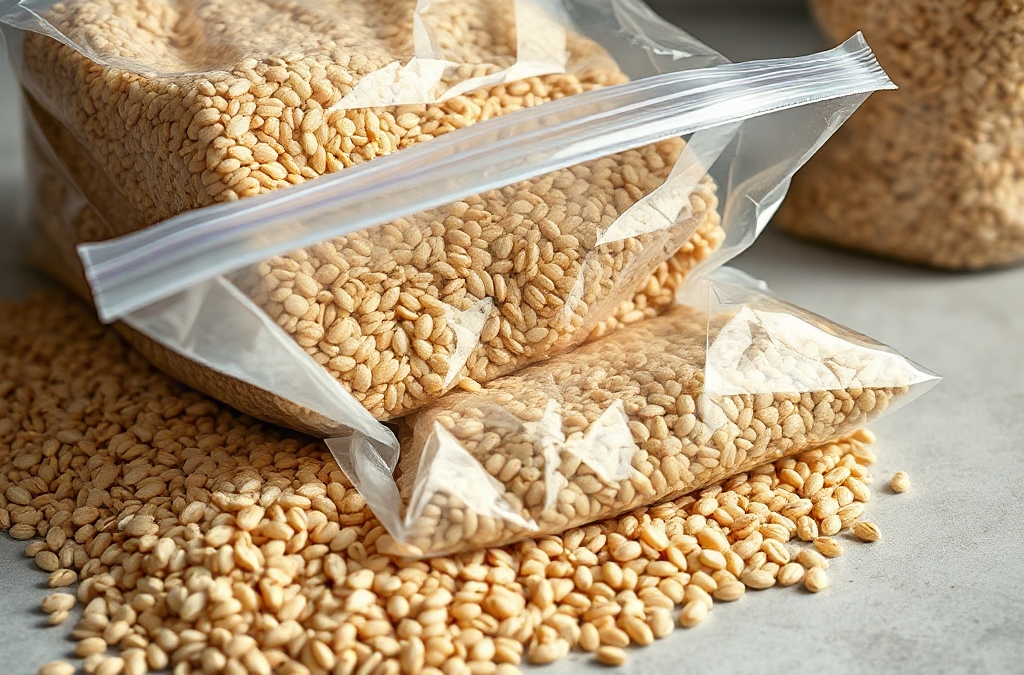
To prepare grains for long-term preservation, start by ensuring they are clean and dry, then store them in airtight containers with oxygen absorbers in a cool, dark place. This method helps prevent spoilage and pest infestations, extending the shelf life significantly. Common mistakes include storing grains in non-airtight containers or in humid environments, which can lead to mold growth and deterioration. It’s crucial to check for any signs of pests or spoilage before storage and to rotate your stock regularly to maintain freshness.
Understanding Grain Types and Their Storage Needs
Different grains have unique characteristics that influence their preservation methods. For instance, whole grains like brown rice and quinoa have higher oil content and require specific storage conditions to prevent rancidity. Conversely, refined grains like white rice have a longer shelf life due to the removal of the bran and germ. Understanding these differences is crucial for effective long-term storage.
Whole grains should ideally be stored in a cool, dry place to maintain their quality, while refined grains can be more forgiving in terms of storage conditions. The moisture content of grains also plays a significant role; lower moisture levels can prevent mold and spoilage, making it essential to monitor humidity levels in storage areas.
Cleaning and Preparing Grains for Preservation
Before storing grains, proper cleaning is essential. Rinse grains with fresh water to remove dust and contaminants, then spread them out to dry completely. Moisture is the enemy of grain preservation, as it can lead to mold growth and spoilage. After cleaning, consider using food-grade diatomaceous earth to help prevent pests without chemicals.
Once grains are clean and dry, it’s wise to inspect them for any signs of infestation or spoilage. Discard any grains that appear discolored or have an off smell. For optimal preservation, vacuum sealing grains in airtight bags can remove excess air, significantly extending their shelf life.
Best Storage Methods for Long-Term Preservation
Airtight containers are the best choice for storing grains, as they keep out moisture and pests. Glass jars, vacuum-sealed bags, or food-grade plastic containers work well. Including oxygen absorbers in storage containers can further enhance preservation by reducing the oxygen level, which helps prevent spoilage.
Store grains in a cool, dark environment to minimize temperature fluctuations, which can degrade their quality over time. The ideal storage temperature is around 50°F (10°C). Additionally, consider organizing your storage area to facilitate easy access and to keep track of expiration dates. Regularly check your stored grains for any signs of pests or spoilage.
Common Mistakes in Grain Preservation
One of the most prevalent mistakes in grain preservation is failing to ensure grains are completely dry before storage. Even a small amount of moisture can lead to mold and spoilage. Another common error is using non-airtight containers, which can expose grains to air and moisture, drastically reducing their shelf life.
Additionally, neglecting to check for pests can result in significant losses. It’s advisable to periodically inspect stored grains and rotate your stock, using older grains first to ensure freshness. Understanding these pitfalls can help you maintain the quality of your stored grains effectively.
Frequently Asked Questions
What types of grains can be preserved long-term?
Whole grains like brown rice, quinoa, and oats can be preserved long-term, as well as refined grains like white rice and pasta.
How can I tell if my grains have gone bad?
Check for discoloration, an off smell, or the presence of pests. If grains feel damp or sticky, they may be spoiled.
Can I freeze grains for longer shelf life?
Yes, freezing grains can extend their shelf life significantly while preventing pest infestations. Just ensure they are in airtight containers.
What is the best way to store grains?
Store grains in airtight containers in a cool, dark place. Vacuum sealing with oxygen absorbers is highly effective for preservation.
How often should I check my stored grains?
Inspect stored grains every few months for signs of spoilage or pests. Regular checks help maintain quality and freshness.
Conclusion
Preparing grains for long-term preservation requires careful attention to cleaning, drying, and storage methods. By understanding the unique needs of different grains and avoiding common mistakes, you can significantly extend their shelf life. Regularly inspect your stored grains and rotate your stock to ensure you always have fresh supplies. With the right approach, you can enjoy the benefits of preserved grains for years to come.
Get Whole Wheat Flour, Grains and Milling Supplies – CLICK HERE

Related Content
Auto Amazon Links: No products found.
Further Reading
Authoritative Sources
- Preparing an Emergency Food Supply, Long Term Food Storage
fcs.uga.eduCover the wheat with the lid, but not tightly, for five or six hours before tightening the lid to be air tight. Other grains to consider storing include rye, ...
- Long-Term Storage of Grains
ancientgrains.comGrains should be stored in airtight containers to prevent moisture, oxygen, and pests from entering. Grains should be stored in a cool, dry ...
- 7 Food Storage Mistakes - And How to Avoid Them!
marysnest.comWe talked about the benefits of keeping whole grains, instead of flour, in your long-term storage, so what's the best way to store whole grains?
- How will you use grain from your long-term storage?
permies.comReally the simplest way is to just boil them and eat like rice. Bring the grain of your choice to the boil, boil around 10 minutes, then put ...
- How to Properly Store Whole Grains: A Beginner's Guide
bobsredmill.comWhen storing both soft and hard grains, choose an airtight storage container with a tight lid. These containers will help prevent outside moisture and irritants ...