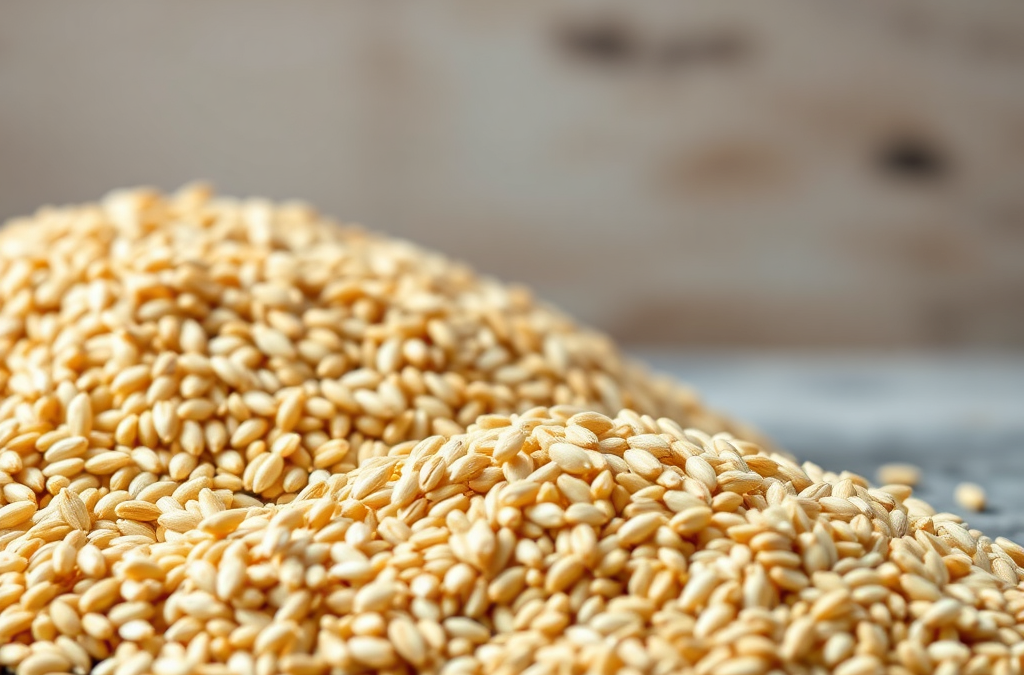
Choosing grain types for storage based on usage involves understanding the specific properties and requirements of each grain. For example, wheat is ideal for long-term storage due to its low moisture content, while corn may require more careful management to prevent spoilage. Additionally, consider the intended use, such as milling or animal feed, as this impacts storage conditions and duration. Prioritizing grain types that align with your specific needs will enhance storage efficiency and minimize waste.
Understanding Grain Types and Their Properties
Choosing the right grain type for storage is crucial for maintaining quality and usability over time. Different grains possess unique properties that affect their shelf life, moisture retention, and susceptibility to pests. For instance, grains like barley and oats have higher moisture contents than others, making them more prone to spoilage if not stored correctly. Understanding these characteristics is the first step in making informed storage decisions.
Wheat is one of the most commonly stored grains due to its versatility and long shelf life, particularly when kept in cool, dry conditions. Conversely, grains such as rice and corn require specific handling to avoid mold and insect infestations. Knowing the physical and chemical properties of each grain type helps in selecting appropriate storage methods and environments.
Assessing Storage Conditions for Different Grains
Storage conditions play a significant role in prolonging the life of grains. Factors such as temperature, humidity, and exposure to light can dramatically affect grain quality. For example, grains stored in high humidity environments are at risk for mold growth, which can render them unusable. Therefore, it’s essential to assess and control these conditions based on the grain type.
For optimal storage, maintain low humidity levels (below 15%) and a stable temperature, ideally between 50°F and 70°F. Additionally, using airtight containers can help prevent moisture ingress and pest infestations. Regularly monitoring storage conditions is vital to ensure grains remain in good condition throughout their storage period.
Determining Intended Use and Its Impact on Storage
The intended use of the stored grain significantly influences the choice of grain type and storage method. For instance, grains destined for milling require different handling than those meant for animal feed. Milling grains must be kept with minimal moisture to ensure optimal flour quality, while feed grains may tolerate slightly higher moisture levels.
Understanding the end use also impacts how long the grains need to be stored. For example, grains intended for immediate consumption may not require as stringent storage conditions as those meant for long-term preservation. Clear identification of the intended purpose of the grains allows for tailored storage solutions that enhance efficiency and reduce waste.
Common Mistakes in Grain Storage Choices
Even with the right knowledge, mistakes in grain storage can lead to significant losses. One common error is underestimating the importance of moisture control, leading to spoilage and mold growth. Another frequent mistake is failing to consider the specific needs of different grain types; for example, storing all grains in the same conditions regardless of their unique requirements can be detrimental.
Additionally, neglecting to regularly inspect stored grains can result in unnoticed infestations or spoilage. Establishing a routine for checking the condition of stored grains helps in early detection of potential issues, allowing for timely intervention. By being aware of these common pitfalls, grain handlers can make better storage choices that protect their investments.
Frequently Asked Questions
What factors should I consider when choosing grain types for storage?
Consider the grain's moisture content, intended use, and specific storage requirements to ensure optimal preservation.
How does moisture affect grain storage?
Excess moisture can lead to spoilage and mold growth, while low moisture levels help maintain grain quality over time.
What are common mistakes in grain storage?
Common mistakes include not monitoring moisture levels, using inappropriate storage conditions, and neglecting regular inspections.
How can I improve my grain storage conditions?
Use airtight containers, control temperature and humidity, and regularly inspect stored grains to maintain quality.
What is the best grain for long-term storage?
Wheat is often considered the best grain for long-term storage due to its low moisture content and versatility.
Conclusion
Choosing the right grain types for storage based on usage involves understanding the unique properties of each grain, assessing storage conditions, and determining the intended use. By avoiding common mistakes and prioritizing moisture control, you can enhance the longevity and usability of stored grains. Regular monitoring and adapting storage strategies to align with specific grain types will also maximize efficiency and minimize waste, ensuring that your grain storage remains effective over time.
Get Whole Wheat Flour, Grains and Milling Supplies – CLICK HERE

Auto Amazon Links: No products found.