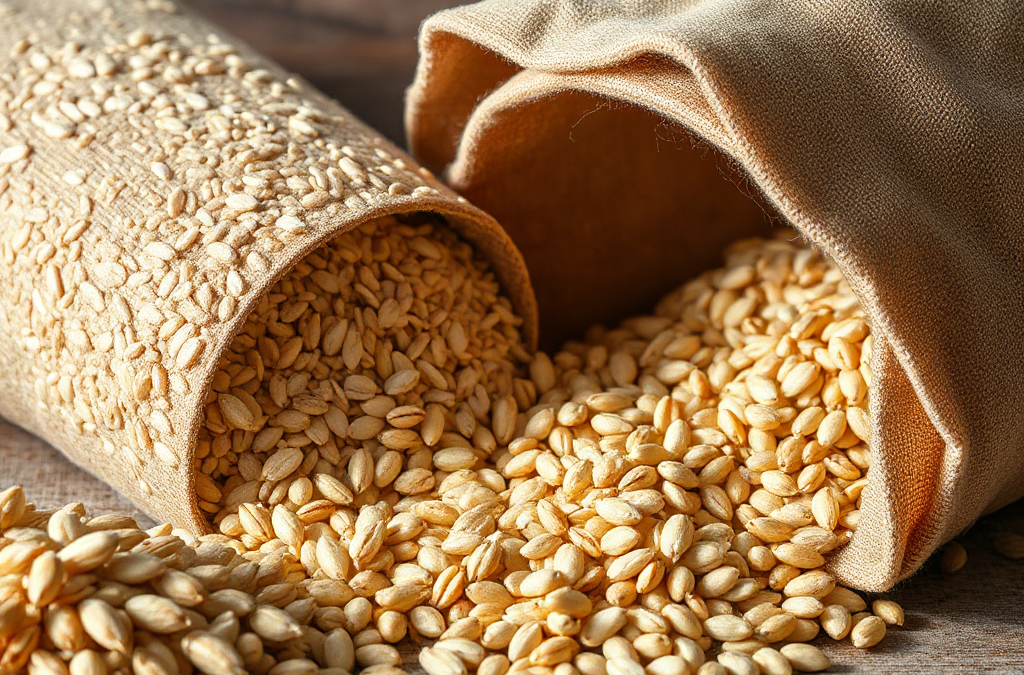
To store grains effectively and maintain their flavor and quality, use airtight containers in a cool, dry place, away from direct sunlight. Proper humidity control is crucial, as excessive moisture can lead to spoilage and mold. Label containers with dates to monitor freshness, and consider using oxygen absorbers to extend shelf life. Regularly inspect stored grains for signs of pest infestation or spoilage.
Understanding Grain Composition and Quality
Grains are composed of various components, including starches, proteins, and oils, all of which contribute to their flavor and nutritional value. The quality of grains is affected by factors such as the type of grain, its maturity at harvest, and post-harvest handling practices. Understanding these elements is crucial for proper storage, as different grains have unique storage requirements.
For instance, whole grains retain their bran and germ, which contain essential fatty acids that can become rancid if not stored correctly. Conversely, refined grains have lower oil content but can still lose quality over time. Thus, recognizing the specific needs of each grain type can help in maintaining their optimal flavor and quality during storage.
Ideal Storage Conditions for Grains
To effectively preserve grains, it is essential to store them in controlled conditions. The primary factors to consider include temperature, humidity, and light exposure. Grains should be stored in a cool, dry place, ideally at temperatures between 50°F and 70°F (10°C to 21°C). High temperatures can degrade the flavor and nutritional quality of grains over time.
Humidity is another critical factor; grains should be kept at a relative humidity of around 60% or lower. Excess moisture can lead to mold growth and spoilage. Using airtight containers can significantly reduce humidity exposure. Additionally, storing grains away from direct sunlight helps prevent nutrient degradation caused by UV rays.
Common Mistakes in Grain Storage
One of the most common mistakes in grain storage is using inadequate containers. Plastic bags or non-airtight containers can allow air and moisture to enter, leading to spoilage. Instead, opt for airtight glass jars, vacuum-sealed bags, or food-grade plastic containers designed for long-term storage.
Another mistake is neglecting to label containers with the storage date. This practice is essential for keeping track of freshness and ensuring grains are used within their optimal time frame. Regularly checking stored grains for pests, such as weevils, is also crucial. Infestations can compromise the quality of your grains, so proactive measures like using oxygen absorbers can help mitigate this risk.
Long-Term Storage Solutions
For long-term storage, consider using methods like freezing or canning grains. Freezing grains for at least 48 hours helps kill any potential pests and can extend their shelf life significantly. When thawing, ensure grains are kept dry to prevent moisture absorption.
Canning grains is another effective method, particularly for those who want to keep grains for several years. This process involves sealing grains in airtight jars and heating them to create a vacuum seal, preventing spoilage. Regardless of the method chosen, always prioritize maintaining the ideal storage conditions to preserve the flavor and quality of the grains.
For readers seeking more detailed information on grain storage and preservation techniques, consider exploring resources from agricultural extension services or food safety organizations. These sources often provide research-backed guidelines and best practices for maintaining grain quality over time.
Get Whole Wheat Flour, Grains and Milling Supplies – CLICK HERE

Frequently Asked Questions
What is the best way to store grains long-term?
The best way to store grains long-term is in airtight containers placed in a cool, dry, and dark location, ideally at temperatures below 70°F.
How can I tell if my grains have gone bad?
Signs that grains have gone bad include off odors, discoloration, moisture presence, or the presence of pests.
Can I freeze grains for storage?
Yes, freezing grains is an effective method for long-term storage. It helps eliminate pests and extends shelf life significantly.
What types of containers are best for storing grains?
Airtight glass jars, vacuum-sealed bags, and food-grade plastic containers are ideal for storing grains to prevent moisture and air exposure.
How often should I check my stored grains?
It is advisable to check stored grains every few months to ensure they are free from pests and to assess their quality.
Conclusion
Maintaining the flavor and quality of grains requires careful attention to storage conditions and methods. By using airtight containers, controlling humidity and temperature, and regularly inspecting stored grains, you can significantly extend their shelf life and preserve their nutritional value. Implementing these strategies will ensure that your grains remain fresh and flavorful, ready for use in various culinary applications.
Get Whole Wheat Flour, Grains and Milling Supplies – CLICK HERE
Auto Amazon Links: No products found.