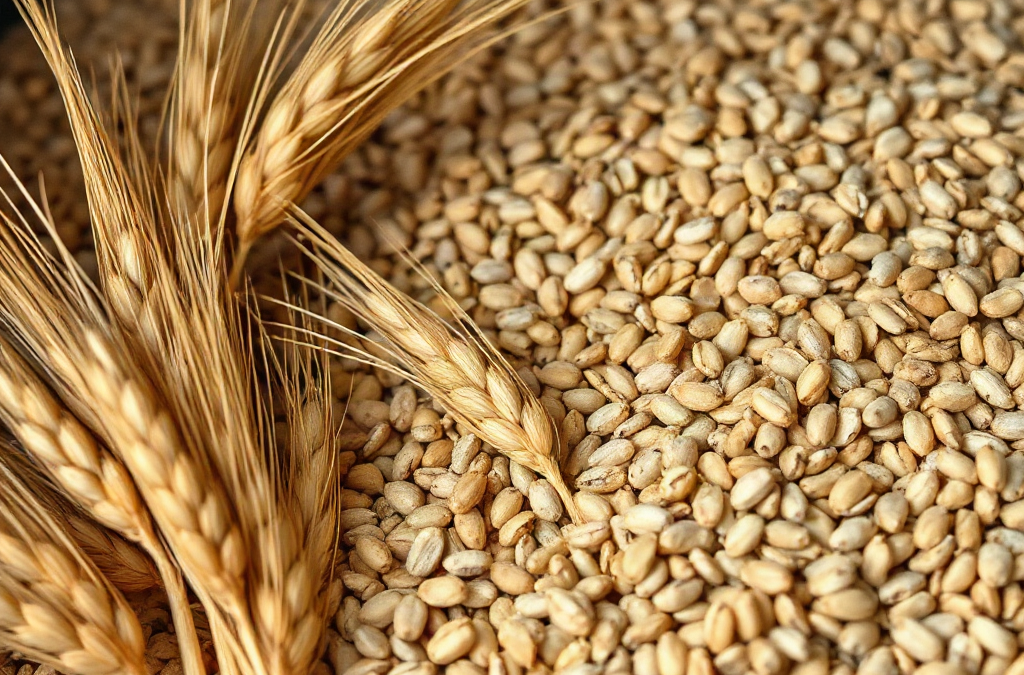
Stored wheat that smells sour or musty should be isolated and treated as potentially spoiled because the odor commonly points to excess moisture, microbial activity, mold growth, or contamination from its surroundings. Do not taste it to judge safety, and do not assume cooking, washing, or grinding will correct the problem. Inspect the kernels and container for dampness, clumping, discoloration, insects, condensation, and odor transfer. Discard wheat with a persistent sour, moldy, basement-like, or fermented smell, especially when physical changes are present.
What Sour and Musty Odors Usually Mean
Sound, dry wheat berries normally have a mild grain aroma that may seem faintly earthy or nutty. A sharp sour note, damp-basement odor, fermented smell, or unmistakable moldiness is outside that normal range. The distinction matters because odor often changes before spoilage becomes visually obvious.
A sour smell commonly develops after kernels absorb enough moisture to support yeasts, bacteria, or other microbial activity. Moist grain also respires more actively, producing heat and water vapor. Inside a closed bucket or bin, that combination can create a small warm, humid zone even if the surrounding room feels dry. Grain near a container wall may then become wetter when temperature changes cause condensation.
Mustiness is more closely associated with damp conditions, mold growth, or prolonged exposure to a moldy storage environment. Visible fuzz is not required. Growth can begin between kernels, under compacted material, or along a seam where moisture entered. A container opened only after several months may therefore smell wrong before the owner finds stained or clumped grain.
Not every foreign odor begins inside the wheat. Grain can absorb smells from paint, fuel, cleaning products, pesticides, smoke, scented materials, damp wood, or a previously used container. Odor transfer differs from microbial spoilage, but it still makes the wheat unsuitable when the source is unknown or involves chemicals. Food-grade packaging does not compensate for storing grain beside gasoline, solvents, or strongly scented household products.
Rancidity is another possibility, although intact wheat berries generally resist oxidation better than flour because most of the oil remains protected within the kernel. Rancid grain tends to smell stale, oily, bitter, paint-like, or crayon-like rather than distinctly sour. Once wheat is cracked or milled, oxygen reaches the germ oils more readily, so an unpleasant odor can develop faster. Readers comparing odor types may find the focused discussion of Stored wheat smells sour or musty useful when separating dampness from oxidation.
The common mistake is blaming age alone. Properly protected wheat may remain usable for a long period, while a recently packed batch can deteriorate quickly if it entered storage damp or experienced a leaking lid. Storage time provides context, but odor, kernel condition, packaging integrity, and environmental history are more useful for the immediate decision.
How to Inspect the Wheat Without Tasting It
Inspect suspect wheat in a ventilated area away from clean food, but avoid deliberately inhaling dust from the container. People with mold allergies, asthma, or respiratory sensitivity should not handle visibly moldy grain. Keep the batch isolated so loose kernels, insects, or dust cannot contaminate shelves and nearby packages.
Begin with the outside of the package. Look for a loose lid, cracked bucket, punctured liner, failed seam, rodent damage, rust, water marks, or evidence that the container sat on a damp floor. Note whether the package was exposed to flooding, a roof leak, repeated temperature swings, or high humidity. A dry exterior today does not rule out a past moisture event.
Open the container without placing your face over it. A concentrated release of sour, fermented, moldy, or chemical odor is a strong warning. If the smell is faint, place a small sample in a clean glass jar, close it briefly, and smell the headspace from a reasonable distance after reopening. This can distinguish the grain’s odor from a musty room or dirty outer container. Do not use this step when visible mold or chemical contamination is already apparent.
Examine grain from the top, middle, and bottom because damage may be localized. Pour samples onto a light-colored tray under good lighting. The inspection should cover:
- Moisture clues: clumps, kernels sticking together, condensation, damp dust, or swollen and softened berries.
- Color changes: dark spots, pale coatings, pink or green growth, blackened kernels, or staining near the container wall.
- Insect activity: webbing, larvae, beetles, bored kernels, cast skins, or unusually heavy powder.
- Temperature differences: a warm pocket within otherwise cool grain, which can accompany insect or microbial activity.
- Container residues: old food debris, detergent fragrance, oily films, or evidence of nonfood use.
Compare the sample with known-good wheat from a separate source if one is available. This is more reliable than relying on memory, especially when the odor is subtle. The comparison must not become an excuse to taste the questionable batch. Tasting cannot confirm that mold-contaminated grain is safe, and a small bite offers no dependable assurance about the rest of the container.
A misleading tactic is airing out the wheat and deciding it is acceptable once the odor weakens. Ventilation may reduce volatile odors without reversing mold damage or microbial deterioration. Record the package date, storage location, odor, visible findings, and affected quantity instead. Those details make it easier to identify whether the failure began with damp grain, compromised packaging, or the room itself.
When to Discard the Batch
Discarding is the prudent choice when an abnormal odor persists or appears with moisture, mold, clumping, unusual warmth, staining, or extensive insect damage. Sourness suggests biological change rather than a harmless flavor variation, while mustiness indicates that the grain or its surroundings have experienced damp conditions. Home inspection cannot establish that a suspicious batch is free of harmful mold by-products.
Do not try to rescue moldy or fermented wheat by washing, sun-drying, freezing, grinding, baking, or pressure cooking it. These actions may kill some living organisms or reduce surface material, but they do not reliably reverse spoilage or remove every substance produced during fungal growth. Grinding also distributes localized contamination throughout the flour. Feeding suspect wheat to pets, poultry, or livestock is not a safe default; animals can also be affected by spoiled feed.
Consider a bucket that smells musty only near the bottom and contains a band of darkened kernels along one wall. The undamaged-looking grain at the top may seem salvageable, but the pattern points to localized water entry or condensation. Because kernels move during handling and dust circulates within the package, separating the visibly affected portion does not provide a dependable boundary. Discarding the entire contents avoids relying on an uncertain visual cutoff.
A different decision may apply when sound grain has merely absorbed a mild food odor from another sealed, edible product and shows no moisture or deterioration. Even then, determine the source before using it. If the wheat smells of fuel, pesticide, solvent, paint, fragranced chemicals, or an unidentified substance, discard it rather than attempting to deodorize it. Chemical exposure calls for a more conservative response than an ordinary quality defect.
Get Whole Wheat Flour, Grains and Milling Supplies – CLICK HERE 
Handle disposal in a way that prevents accidental use. Seal the grain in a sturdy bag or container, label it as spoiled, and follow local waste requirements. Do not compost heavily moldy grain where dust exposure, pests, or later use of the material could create another problem. Clean nearby shelves without mixing suspect dust into open food packages.
If several containers from the same purchase smell abnormal, contact the seller or producer with the lot information and photographs before disposal when practical. If only one package is affected, examine its lid, liner, and position in the room. That difference can reveal a packaging failure rather than a problem with the original lot. The central judgment remains the same: uncertain food safety is not corrected by the absence of dramatic visible mold. A more detailed Stored wheat smells sour or musty review should weigh odor and storage history together rather than treating appearance as the sole test.
Preventing Odors in the Next Batch
Prevention begins before the container is sealed. Wheat intended for extended storage should be clean, sound, and sufficiently dry for the planned method. Grain that feels cool and hard can still contain problematic moisture, so appearance and touch are limited tests. For large or valuable quantities, a grain moisture meter or evaluation by a grain-handling professional offers better information than guessing.
Use clean, dry, food-grade containers with intact lids or seals. A new liner should not be placed inside a bucket that still holds moisture, detergent fragrance, or residue from prior use. Oxygen absorbers, when appropriate to the storage system, help control insects and oxidation; they do not make damp wheat safe. Sealing wet grain in a low-oxygen package can conceal deterioration rather than solve the moisture problem.
Store containers above the floor, away from exterior walls, plumbing, direct sunlight, furnaces, and chemicals. Pallets or shelving reduce exposure to minor leaks and allow inspection around each package. A cool location is useful, but temperature stability also matters. Repeated warming and cooling can move moisture within a large container, leaving condensation in a cooler area even though the average room humidity seems acceptable.
For example, a bucket placed directly on a concrete basement floor may remain cooler than the air above it during a seasonal change. Moisture can migrate toward that cooler surface, creating a damp layer near the bottom. Elevating the bucket, leaving airflow around it, and monitoring the room reduces that localized risk. A hot garage presents the opposite problem: heat accelerates quality loss, and daily temperature swings stress seals and encourage moisture movement.
Apply a short control routine to every new batch:
- Check the incoming wheat for unusual odor, insects, staining, and dampness before combining lots.
- Clean and fully dry the container, lid, gasket, scoop, and work area.
- Label the package with the grain type, supplier or lot, and packing date.
- Place it in a stable, dry location separated from chemicals and strong odors.
- Inspect the exterior periodically for leaks, pests, swelling, broken seals, or condensation.
Keeping lots separate limits losses. Topping up an older bucket with newly purchased wheat can spread insects or moisture and erases useful lot history. Smaller containers cost more per pound and require more seals, but they reduce repeated exposure and make it easier to isolate a failure. Larger containers are efficient, yet a single leak can affect much more food.
After a spoiled batch is removed, identify the failure before repacking. Replacing grain in the same damp room or damaged bucket invites a repeat. Wash suitable reusable equipment, rinse away cleaning residue, and let every surface dry completely. Porous, cracked, persistently moldy, or chemically contaminated materials should be replaced. Success is indicated by stable packaging, a dry storage space, hard free-flowing kernels, and the grain’s normal mild aroma during planned rotation checks.
Frequently Asked Questions
Can musty wheat be made safe by baking it?
No dependable home baking method can establish that musty wheat is safe. Heat may kill some organisms, but it may not remove substances already produced during mold growth.
Should dry wheat have any smell?
Sound wheat usually has a mild, clean grain aroma that may seem slightly earthy or nutty. Sharp sourness, fermentation, moldiness, or a damp-basement odor is abnormal.
Can wheat absorb odors through a sealed container?
A truly airtight, intact container limits odor transfer, but imperfect lids, thin packaging, damaged seals, and contaminated containers can allow or introduce foreign smells.
Does freezing fix wheat that smells sour?
No. Freezing may stop active insects and slow further change, but it does not reverse fermentation, mold damage, chemical contamination, or an existing off-odor.
Why does only the bottom of a wheat bucket smell musty?
Localized moisture may have entered through a leak or collected near a cool floor as temperatures changed. Treat the whole batch cautiously because contamination may extend beyond the visibly affected layer.
Conclusion
An abnormal smell is a reason to stop using stored wheat, not an invitation to test it by taste. Trace the problem through the grain’s physical condition, the integrity of its package, and the moisture and temperature history of the storage location. Persistent sourness or mustiness combined with clumping, discoloration, warmth, mold, or condensation supports discarding the entire affected batch rather than sorting or cooking around the damage.
Before replacing it, correct the source: dry the storage space, remove contaminated materials, inspect shelves and neighboring packages, and choose clean food-grade packaging. Keep future lots separate, labeled, elevated from floors, and away from chemicals or strong odors. Those controls will not compensate for damp incoming wheat, but they make failures easier to detect and prevent one damaged package from compromising the rest of the supply.
Get Whole Wheat Flour, Grains and Milling Supplies – CLICK HERE
Related Content
- RED (Real Emergency Directions) Book – Step 4: Vital Records
- How to Use Desiccants for Keeping Stored Grains Dry
- Essential Strategies for Effective Grain Storage for Emergency Use
- Long Term Wheat Preservation: Proven Methods for Maximizing Shelf Life
- Food Security and Grain Storage: Effective Methods for Protecting Harvests and Ensuring Supply
Auto Amazon Links: No products found.