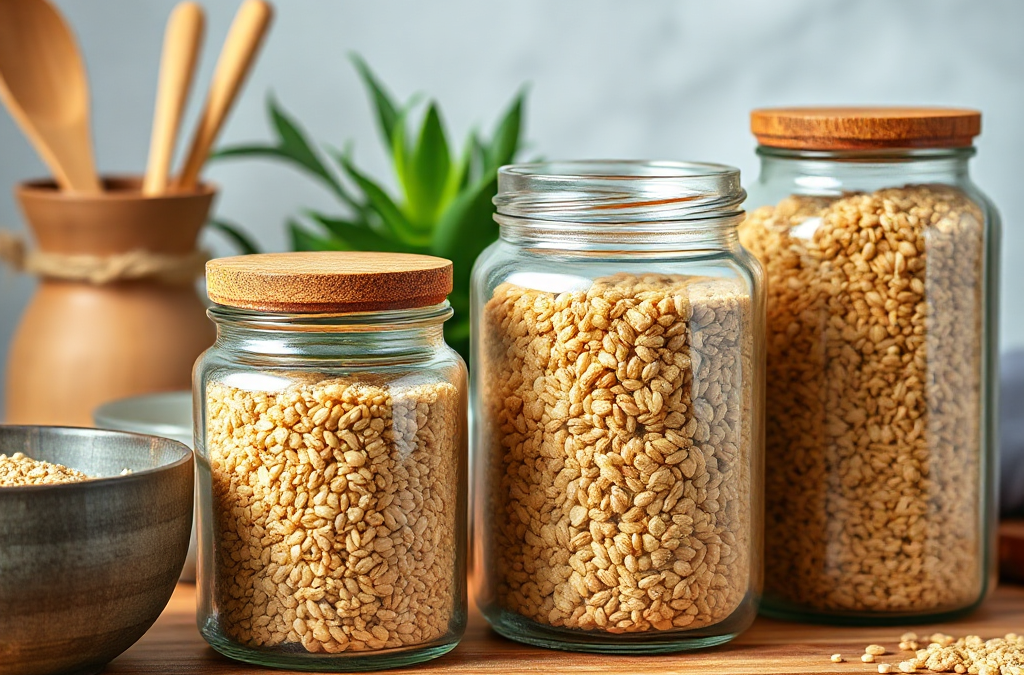
To choose the best containers for grains, prioritize options that are airtight, durable, and moisture-resistant to prevent spoilage. Materials like food-grade plastic or glass are ideal, as they ensure safety and longevity. Avoid containers that allow light exposure, which can degrade the quality of grains over time. Regularly inspect your containers for any signs of wear or damage, as this can compromise the storage conditions and lead to contamination. Additionally, consider the size and accessibility of the containers based on how frequently you will use the grains.
Understanding Grain Storage Needs
Choosing the best containers for grains starts with understanding the specific storage needs of the grains you intend to store. Different grains, such as rice, wheat, or corn, have unique requirements regarding humidity, temperature, and light exposure. For instance, some grains are more susceptible to moisture, which can lead to mold or spoilage, while others may require a controlled environment to maintain freshness.
A key aspect to consider is the volume of grain you plan to store. Bulk storage may necessitate larger containers, while smaller quantities can be managed with more compact options. Additionally, consider how often you will access these grains; frequent access might warrant smaller, easily accessible containers, while less frequently used grains can be stored in larger, less accessible bins.
Selecting the Right Materials
The material of your grain containers significantly impacts the preservation quality. Common materials include food-grade plastic, glass, and metal. Food-grade plastic is lightweight and resistant to breaking, making it a popular choice for many. However, ensure that the plastic is BPA-free to avoid any chemical leaching.
Glass containers offer the advantage of being impermeable to moisture and do not retain odors or stains; however, they can be heavy and breakable. Metal containers, such as stainless steel, provide excellent durability and are often airtight, but they should be lined to prevent rusting when storing certain grains.
Another important factor is the container’s sealing mechanism. Airtight seals are crucial for preventing moisture and pests from contaminating the grains. Look for containers with silicone gaskets or locking lids to ensure a secure closure.
Common Mistakes to Avoid
When selecting containers for grain storage, there are several common mistakes to be mindful of. One significant error is choosing containers that are not airtight. Even minor exposure to air can lead to spoilage, as oxygen promotes the growth of mold and bacteria. Always opt for containers designed specifically for food storage to mitigate this risk.
Another mistake is neglecting to consider the size and shape of the container. Oversized containers can lead to wasted space and difficulty in accessing the grains. Conversely, containers that are too small may require frequent refilling, increasing the risk of contamination during transfers.
It’s also essential to avoid clear containers if light exposure is a concern. Light can degrade the quality of grains over time, so choose opaque or dark containers to protect the contents from light damage.
Maintaining Your Grain Containers
Proper maintenance of your grain storage containers is equally important as the initial selection. Regularly inspect your containers for any signs of wear or damage, such as cracks or compromised seals. Damaged containers should be replaced immediately to prevent grain spoilage.
Additionally, it is advisable to clean your containers periodically. Depending on the material, you can usually wash them with warm, soapy water and let them dry completely before refilling. This practice helps eliminate any residues that could affect the grains’ quality.
Get Whole Wheat Flour, Grains and Milling Supplies – CLICK HERE

Storing your containers in a cool, dry place away from direct sunlight will further enhance the longevity of both the containers and the grains stored within them. A temperature range between 50°F and 70°F is generally ideal for grain storage.
Frequently Asked Questions
What types of containers are best for storing grains?
Airtight containers made of food-grade plastic, glass, or metal are ideal for storing grains as they prevent moisture and pests.
How long can grains be stored in containers?
Grains can typically be stored for several months to a few years, depending on the type and storage conditions.
Do I need to worry about pests when storing grains?
Yes, pests can infest grains, so using airtight containers and keeping storage areas clean is crucial to prevent infestations.
Can I use regular plastic containers for storing grains?
It's best to use food-grade plastic containers specifically designed for storage to avoid chemical leaching and ensure safety.
How should I clean my grain containers?
Wash with warm, soapy water, rinse thoroughly, and ensure they are completely dry before refilling to maintain grain quality.