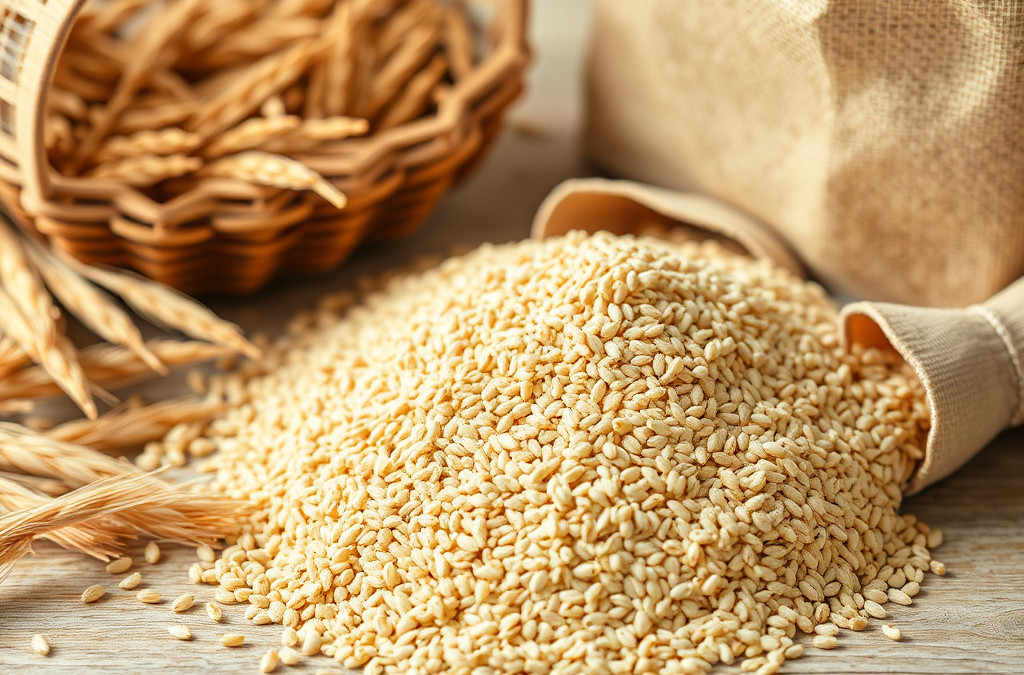
To effectively deal with unexpected grain spoilage, first identify the underlying causes such as excessive moisture, high temperatures, or pest infestations. Maintaining a dry and cool storage environment is essential, with moisture levels kept below 14% and temperatures not exceeding 60°F (15°C). If spoilage occurs, promptly remove any affected grains to prevent further contamination and consider using treatments like natural preservatives to salvage the remaining stock. Regular inspections and pest control measures can significantly reduce the risk of spoilage, ensuring the integrity and safety of your grain supply.
Understanding Grain Spoilage: Causes and Effects
Grain spoilage can occur due to several factors, primarily moisture, temperature, and pest infestations. When grains are stored in humid environments, moisture can lead to mold growth and degradation of quality. High temperatures can accelerate these processes, making it crucial to monitor storage conditions regularly. Furthermore, pests such as insects and rodents can compromise grain integrity, leading to significant losses.
For example, stored wheat can develop mycotoxins if not monitored for moisture levels. These toxins can be harmful not only to the grain itself but also to human health if consumed. Understanding these dynamics is essential for anyone involved in grain storage and management.
Prevention Methods for Grain Spoilage
Preventing grain spoilage involves establishing optimal storage conditions and employing best practices. First, ensure that the storage environment is kept dry and cool. Ideal moisture levels should be below 14%, and temperatures should not exceed 60°F (15°C). Regularly checking and maintaining these conditions can significantly reduce spoilage risks.
Additionally, implementing a pest control strategy is vital. Regular inspections for signs of infestation can help catch issues early. Using airtight containers or silos can deter pests and limit exposure to moisture. Moreover, consider using natural preservatives such as diatomaceous earth, which can prevent insect infestations without harmful chemicals.
Recovery Steps After Spoilage Occurs
When spoilage is detected, immediate action is necessary to minimize losses. First, segregate and remove any spoiled grains to prevent further contamination. This step is critical to protect the quality of the remaining stock.
Next, evaluate the extent of the spoilage. If a small portion is affected, salvaging the unaffected grains may be possible. Consider treatments that can restore some quality, such as drying affected grains or using food-safe fungicides. However, always prioritize safety and adhere to regulatory guidelines regarding grain processing.
In summary, document the incident to analyze what went wrong and adjust your storage practices accordingly. Regular audits can help identify weaknesses and improve overall grain management strategies.
For those looking to expand their knowledge on grain spoilage and management, consider consulting resources from agricultural extensions or grain storage associations. These organizations often provide valuable insights into best practices and emerging research in the field.
Frequently Asked Questions
What are the primary causes of grain spoilage?
The primary causes of grain spoilage include excess moisture, high temperatures, and pest infestations, all of which can lead to mold growth and degradation.
How can I prevent grain spoilage during storage?
Prevent grain spoilage by maintaining low moisture levels, ensuring proper ventilation, using airtight containers, and conducting regular inspections for pests.
What steps should I take if I discover spoiled grain?
If you find spoiled grain, remove it immediately, assess the extent of spoilage, and consider salvaging unaffected grains through drying or treatment.
Can I still use spoiled grain?
While some spoiled grains may be salvageable, it’s crucial to evaluate safety first. Grains with mold or mycotoxins should not be consumed.
What are natural methods to deter pests in grain storage?
Natural methods include using diatomaceous earth, maintaining a clean storage environment, and employing traps to catch pests before they infest the grain.
Conclusion
Dealing with unexpected grain spoilage requires a proactive approach to storage and management. Understanding the causes, implementing preventive measures, and knowing how to recover from spoilage are essential steps for anyone involved in grain handling. By maintaining optimal conditions and being vigilant about inspections, you can significantly mitigate spoilage risks and ensure the safety and quality of your grain products.
Get Whole Wheat Flour, Grains and Milling Supplies – CLICK HERE

Auto Amazon Links: No products found.