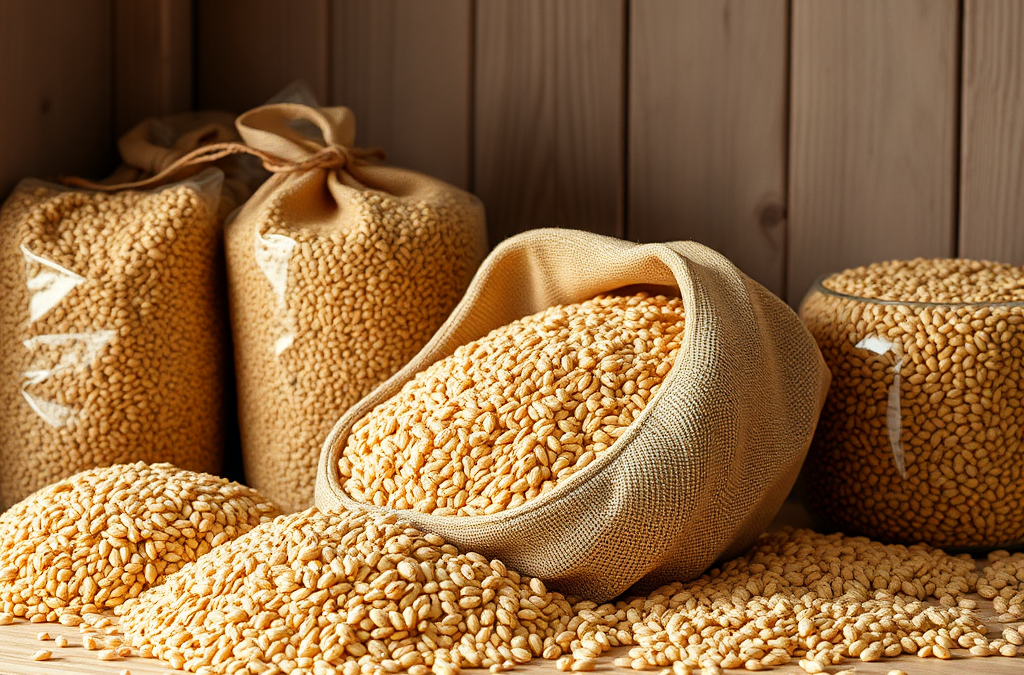
To determine the best storage conditions for grains, focus on controlling temperature, humidity, and ventilation. Aim to keep the storage area between 50°F and 70°F to inhibit mold and pest activity. Maintaining humidity levels below 14% is essential; consider using dehumidifiers or desiccants to achieve this. Regularly check these conditions to ensure the grains remain safe and nutritious. Additionally, using airtight containers can significantly enhance preservation by minimizing exposure to air and moisture, thus extending the shelf life of your grains.
Understanding Grain Preservation
Grain preservation is essential for maintaining quality and preventing spoilage. Proper storage conditions can significantly extend the shelf life of grains, allowing them to remain nutritious and safe for consumption. The primary factors that influence grain preservation include moisture content, temperature, and exposure to pests. Understanding these elements helps in creating an effective storage strategy.
Moisture content is particularly critical; grains with high moisture levels are prone to mold growth and insect infestations. Ideally, grains should be stored at a moisture content of 13-14%. Temperature also plays a vital role, as higher temperatures can accelerate spoilage. Therefore, it is essential to maintain a consistent, cool storage environment to prolong the viability of grains.
Key Environmental Factors
When determining the best storage conditions for grains, three main environmental factors should be considered: temperature, humidity, and ventilation. Each of these factors can influence the quality and longevity of stored grains.
Temperature
Grains should ideally be stored at temperatures between 50°F and 70°F. Temperatures above this range can promote the growth of molds and insects, leading to spoilage. For those in warmer climates, consider using cooling systems or storing grains in shaded areas to maintain lower temperatures.
Humidity
Humidity levels must be kept low to prevent moisture accumulation. The ideal relative humidity for grain storage is below 14%. This can be achieved through dehumidification techniques or by using desiccants in storage containers. Regularly monitoring humidity levels will ensure that grains remain dry and safe.
Ventilation
Proper ventilation is critical in grain storage. Adequate airflow helps to control temperature and humidity, reducing the risk of spoilage. Using aeration systems or ensuring that storage facilities have adequate airflow can help maintain optimal conditions.
Storage Solutions and Techniques
Choosing the right storage solution is crucial for preserving grains effectively. Various methods exist, depending on the volume of grains and available resources. Here are some effective strategies:
Airtight Containers
Airtight containers are ideal for smaller quantities of grains. They prevent moisture and pests from entering, significantly enhancing preservation. Glass jars, plastic bins with tight seals, or metal containers are excellent choices. Ensure that containers are clean and dry before filling them with grains.
Bulk Storage
For larger quantities, bulk storage facilities with proper ventilation and humidity control systems are necessary. Silos or warehouses designed for grain storage can accommodate significant volumes while maintaining optimal conditions. Regular inspections and maintenance of these facilities are vital to prevent pest infestations and structural damage.
Natural Preservation Techniques
In some cases, natural preservation methods can be effective. For instance, using diatomaceous earth can deter pests without harmful chemicals. Additionally, using breathable bags made from natural fibers can allow for ventilation while protecting grains.
Common Mistakes to Avoid
Even with the best intentions, mistakes can occur in grain storage that may lead to spoilage. Here are common pitfalls to watch for:
Ignoring Moisture Levels
One of the most significant errors is neglecting to monitor moisture levels. High moisture content can lead to mold and insect infestations, compromising grain quality. Regularly checking moisture levels and adjusting storage conditions accordingly is essential.
Get Whole Wheat Flour, Grains and Milling Supplies – CLICK HERE

Inadequate Ventilation
Failing to provide sufficient ventilation can create an environment conducive to spoilage. Ensure that storage areas are well-ventilated to prevent heat and humidity buildup.
Overlooking Pest Control
Pests can quickly compromise stored grains. It is crucial to implement pest control measures, such as regular inspections and the use of traps or natural deterrents, to keep pests at bay.
Frequently Asked Questions
What is the ideal moisture content for storing grains?
The ideal moisture content for storing grains is between 13-14% to prevent spoilage and mold growth.
How can I protect stored grains from pests?
Use airtight containers, regularly inspect storage areas, and consider using natural pest deterrents like diatomaceous earth.
Why is temperature control important in grain storage?
Temperature control is essential to prevent spoilage; higher temperatures can accelerate mold growth and insect activity.
What are some natural methods for preserving grains?
Natural methods include using breathable storage bags and diatomaceous earth for pest control.
How often should I check my stored grains?
Regular inspections should be conducted every few weeks to monitor moisture levels, temperature, and signs of pests.
Conclusion
Determining the best storage conditions for grains is crucial for maintaining their quality and longevity. Prioritize factors such as temperature, humidity, and ventilation in your storage strategy. Regular monitoring and proper storage solutions can prevent spoilage and ensure grains remain safe for consumption. By avoiding common mistakes and implementing effective preservation techniques, you can significantly enhance the shelf life of your grains.
Get Whole Wheat Flour, Grains and Milling Supplies – CLICK HERE
Auto Amazon Links: No products found.