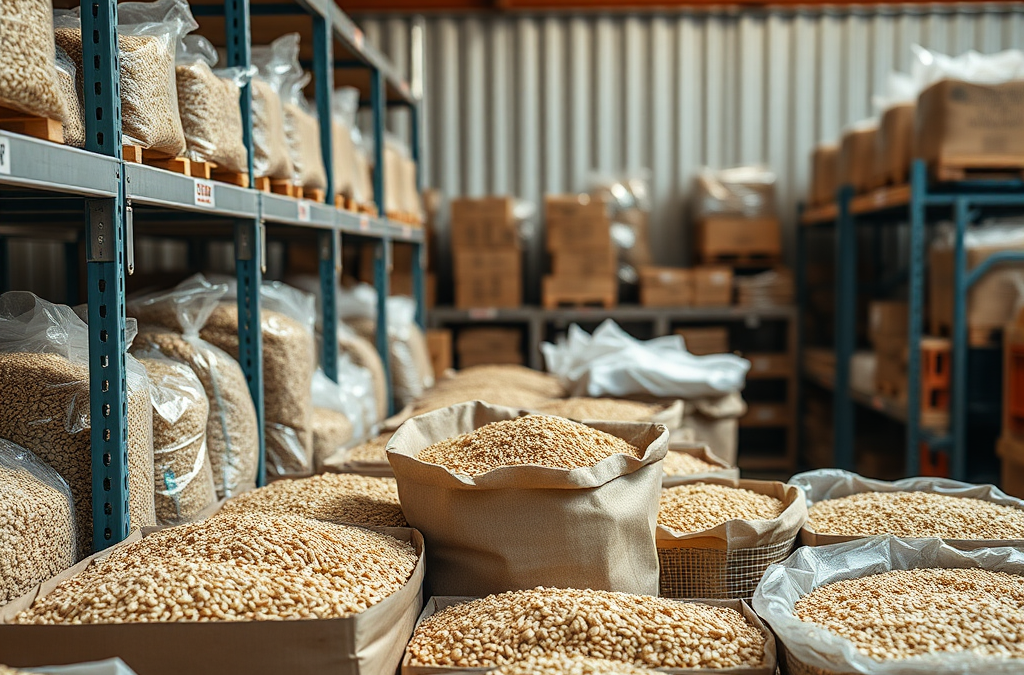
To manage grain inventory for preparedness, implement a systematic approach involving regular inventory checks, proper storage conditions, and clear labeling. This ensures easy access and maximizes the shelf life of grains. Common mistakes include neglecting moisture control and failing to rotate stock, both of which can lead to spoilage or waste. Prioritize maintaining an organized system that allows for quick assessments and replenishments as needed.
Understanding Grain Inventory Management
Grain inventory management is crucial for ensuring food security and preparedness in times of uncertainty. It involves tracking the quantity and quality of stored grains, which can include various types such as wheat, rice, and corn. Effective management ensures that grains are available when needed, reducing waste and spoilage. The importance of this practice cannot be overstated, especially in emergency situations where access to food supplies may be limited.
Understanding the factors that affect grain quality, such as moisture levels, temperature, and pest control, is essential. Each grain type has specific storage requirements, and recognizing these can help in maintaining an optimal inventory. For instance, wheat should be stored in a cool, dry place to prevent mold growth, while rice can tolerate slightly higher humidity levels. Regular monitoring of inventory is necessary to ensure that grains remain in good condition and are usable when required.
Best Practices for Grain Storage
Implementing best practices for grain storage is key to effectively managing inventory. First, select appropriate storage containers that are airtight and resistant to pests. Common options include metal bins, plastic containers, and silos. Ensure that these containers are clean and dry before use to prevent contamination. Proper sealing is essential to keep moisture and insects at bay.
Next, establish a rotation system known as FIFO (first in, first out). This method helps in utilizing older stock first, minimizing the risk of spoilage. Additionally, maintain accurate records of inventory levels, including the date of storage and type of grain. This documentation is invaluable for planning and replenishment.
Regularly inspect stored grains for signs of spoilage or pest infestation. Implementing a schedule for these inspections can help catch problems early, allowing for prompt action to be taken. For instance, if an infestation is detected, immediate treatment or disposal may be necessary to protect the rest of the inventory.
Common Mistakes in Grain Inventory Management
Mistakes in grain inventory management can lead to significant losses and unpreparedness. One of the most common errors is neglecting moisture control. Grains stored in conditions with high humidity are at risk of mold growth, leading to spoilage. To combat this, use moisture meters to regularly check levels and ensure they remain within safe parameters.
Another frequent mistake is failing to label storage containers accurately. Without clear labeling, it can be challenging to track what is stored and when it needs to be used. This can lead to older grains being overlooked, increasing the risk of waste.
Furthermore, underestimating the importance of pest control can have dire consequences. Pests can quickly multiply and damage large quantities of stored grains. Implementing preventative measures, such as using traps and regularly cleaning storage areas, is essential in maintaining grain quality.
Practical Steps for Effective Inventory Management
To effectively manage grain inventory, start with a thorough assessment of your current stock. Take note of the types and quantities of grains on hand. From there, develop a detailed inventory plan that includes regular checks and updates to your records. This plan should account for seasonal variations in grain availability and potential changes in demand.
Set up a dedicated space for grain storage that is clean, dry, and well-ventilated. This space should be easily accessible for both checking inventory and retrieving grains as needed. Consider investing in shelving units to keep bags or containers off the ground, further reducing the risk of moisture exposure.
Get Whole Wheat Flour, Grains and Milling Supplies – CLICK HERE

All in all, educate everyone involved in managing the grain inventory about best practices and the importance of maintaining quality. Training staff on how to monitor conditions, recognize signs of spoilage, and implement pest control measures can significantly enhance the effectiveness of your inventory management.
Frequently Asked Questions
What are the ideal storage conditions for grains?
Grains should be stored in a cool, dry place with low humidity to prevent spoilage and pest infestation.
How often should I check my grain inventory?
Regular checks are recommended at least once a month, or more frequently during high-risk periods such as summer.
What are the signs of spoiled grains?
Signs of spoilage include off smells, discoloration, and the presence of mold or pests.
Can I mix different types of grains in storage?
It is generally not advisable to mix different types of grains, as they have varying storage requirements and shelf lives.
What should I do if I find pests in my grain storage?
If pests are found, immediately take action to remove the infested grains and treat the area to prevent further infestations.
Conclusion
Effective grain inventory management is essential for preparedness. By implementing best practices in storage, regularly monitoring conditions, and avoiding common mistakes, you can ensure that your grains remain safe and usable. Prioritize organization and education to maintain a resilient food supply in uncertain times. Take the next steps by assessing your current inventory and making necessary adjustments to your storage practices.
Get Whole Wheat Flour, Grains and Milling Supplies – CLICK HERE
Auto Amazon Links: No products found.
Further Reading
Authoritative Sources
- Avoid Costly Grain Storage Mistakes This Fall
radarcrop.comStored grain losses can erase harvest profits. Experts outline five essential steps to prevent costly insect infestations before storage begins.
- Proactive grain storage and handling measures are key to ...
oyenecho.comIt's often said that the most effective way to stay safe around grain is to keep out of it. But what exactly does that mean?
- 5 Best Practices That Significantly Improve Storage ...
adamsgrainbins.comAll bins, equipment and the surrounding areas should be scrubbed and disinfected before grain goes in. Follow this checklist before grain goes ...
- Prepare grain bins responsibly using these safety tips
agupdate.comAs harvest season quickly approaches, farmers are reminded to practice safety around grain bins and grain handling equipment.