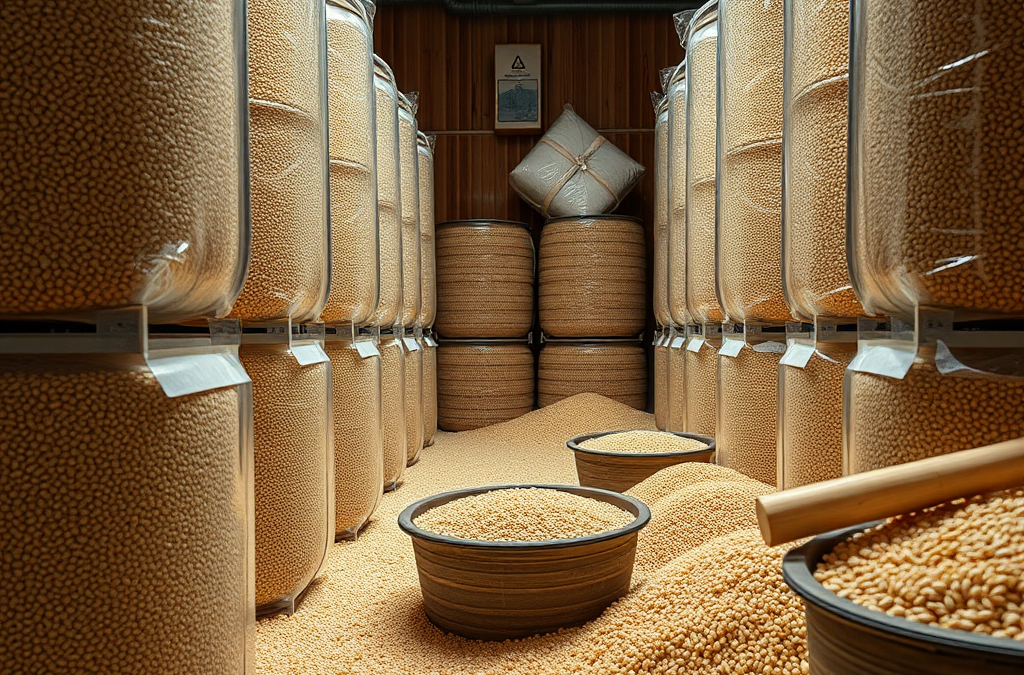
To maximize grain storage efficiency, focus on maintaining optimal moisture levels, ensuring proper ventilation, and implementing robust pest control strategies. Regularly monitor temperature and humidity to prevent mold and spoilage, as high moisture can severely compromise grain quality. Utilize aeration systems to enhance airflow, which helps regulate the internal environment and reduces condensation. Additionally, conduct frequent inspections to catch pest infestations early, safeguarding the integrity of your stored grains. By adopting these practices, you can significantly extend the shelf life and quality of your grains.
Understanding Grain Quality and Storage Conditions
Grain quality is paramount for effective storage, as it directly influences the longevity and usability of the stored product. Factors such as temperature, humidity, and the presence of pests can significantly impact grain quality. Understanding these conditions is the first step in maximizing grain storage efficiency. For instance, grains stored in high moisture environments are susceptible to mold and spoilage, while low temperatures can help preserve grain integrity.
To ensure optimal storage conditions, it’s crucial to monitor the environment consistently. Regularly checking the temperature and humidity levels can prevent the growth of harmful microorganisms. Additionally, understanding the specific storage needs of different grain types is essential. For example, wheat and corn have different moisture requirements, making tailored storage practices necessary.
Effective Ventilation Strategies
Ventilation plays a critical role in maintaining grain quality during storage. Proper airflow helps regulate temperature and humidity, minimizing the risk of spoilage. One effective strategy is to use aeration systems that circulate air within storage facilities. This method not only helps cool down the grain but also reduces condensation, which can lead to mold growth.
Moreover, ensuring that the storage structure is well-sealed can enhance ventilation efficiency. Sealing cracks and openings prevents external moisture from entering the storage area, thereby maintaining a stable internal environment. Regular maintenance of ventilation systems is also vital to ensure they operate effectively.
Moisture Control and Its Importance
Moisture control is a critical aspect of maximizing grain storage efficiency. High moisture levels can lead to spoilage, mold, and insect infestations, which can compromise grain quality. To manage moisture effectively, it’s essential to establish a baseline moisture content for the specific grain type being stored.
One effective method of moisture control is the use of dehumidifiers in storage areas. These devices can help maintain optimal humidity levels, reducing the risk of spoilage. Additionally, regular monitoring of moisture levels using moisture meters can provide timely insights into the grain’s condition. This proactive approach allows for adjustments to be made before problems arise, ultimately preserving grain quality.
Pest Management Techniques
Pest infestations can severely damage stored grains, making effective pest management techniques essential for maximizing storage efficiency. Regular inspections are the first line of defense; checking for signs of pests can help catch infestations early. Implementing integrated pest management (IPM) strategies can also be beneficial. This approach combines biological, physical, and chemical methods to manage pest populations sustainably.
For example, using traps can help monitor pest activity, while natural predators can be introduced to control pest populations without harmful chemicals. Additionally, maintaining a clean storage environment by removing debris and spills can deter pests from establishing themselves in the first place.
Frequently Asked Questions
What is the ideal moisture content for stored grains?
The ideal moisture content varies by grain type, but generally, it should be below 14% for most grains to prevent spoilage.
How often should I check my stored grains?
It is advisable to check stored grains at least once a month to monitor for moisture levels, temperature, and pest activity.
What are the signs of grain spoilage?
Signs of grain spoilage include unusual odors, discoloration, and the presence of mold or insects.
Can I store different types of grains together?
Generally, it is not recommended to store different types of grains together, as they have varying moisture and temperature needs.
What is the best way to ventilate grain storage?
The best way to ventilate grain storage is by using a properly designed aeration system that circulates air uniformly throughout the storage area.
Conclusion
Maximizing grain storage efficiency requires a multifaceted approach focusing on quality, ventilation, moisture control, and pest management. By understanding and managing these elements effectively, grain quality can be preserved, ensuring longevity and usability. Regular monitoring and proactive strategies are essential for maintaining optimal storage conditions. Implementing these practices will lead to better grain storage outcomes and ultimately support agricultural productivity.
Get Whole Wheat Flour, Grains and Milling Supplies – CLICK HERE

Auto Amazon Links: No products found.