
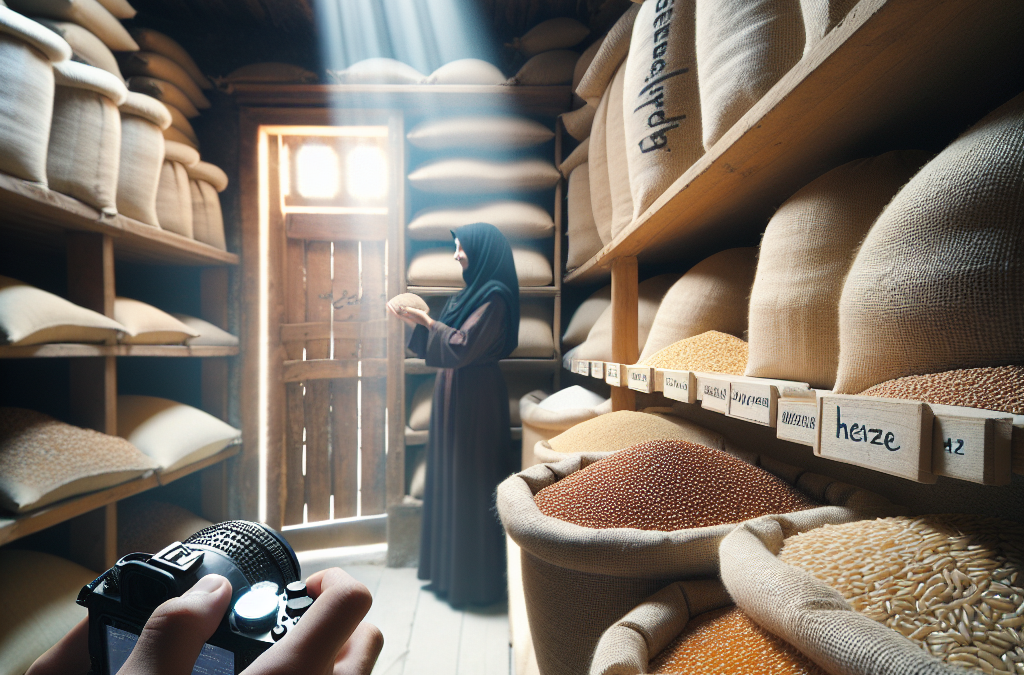
Understanding Grain Types
Wheat Varieties
When I first started baking, I was overwhelmed by the variety of wheat available. From bread flour to pastry flour, each has its own unique properties. Knowing the difference is crucial for developing the right texture and flavor in your baked goods. I quickly learned that hard wheat varieties are perfect for bread, while soft ones shine in pastries.
On top of this, it’s essential to familiarize yourself with the gluten content. High-gluten flours will give you more structure, while low-gluten options result in a tender crumb. So, as you’re choosing your grains, keep in mind what you want to achieve with your final product!
Don’t forget to also explore specialty grains! They can add unique flavors and textures, giving your bread an artisan touch that will leave your customers asking for more. Experiment, play around, and find what works for you!
Get Whole Wheat Flour, Grains and Milling Supplies – CLICK HERE
Proper Storage Containers
The Right Material
When it comes to storing your grains, I can’t stress enough the importance of using the right containers. I’ve gone through flimsy plastic bags and cardboard boxes until I found sturdy, airtight containers. Trust me, those extra-durable containers are worth the investment! They keep out moisture, pests, and even annoying odors.
Glass or BPA-free plastic containers work well. I particularly love glass because it’s easy to clean, and you can visibly check your grain levels at a glance. Plus, it’s a bit more aesthetically pleasing if you have an open pantry.
And let’s not overlook labeling! I’ve made the mistake of forgetting which grain is which, so now I make it a habit to label everything. Not only does it look nice, but it saves me a lot of confusion down the line.
Temperature Control
Get Whole Wheat Flour, Grains and Milling Supplies – CLICK HERE
Popular Questions
What are the main categories to consider when understanding grain types?
Grains are commonly grouped as whole grains or refined grains. Whole grains retain the bran, germ, and endosperm, while refined grains usually contain only the endosperm after processing. Comparing these parts helps explain differences in fiber, vitamins, minerals, texture, and cooking behavior.
How does understanding grain types help you choose between whole and refined grains?
Choose whole grains when you want more dietary fiber and the nutrients found in the bran and germ. Refined grains can have a softer texture and a milder flavor, but some nutrients may be reduced during processing. Check the ingredient list for terms such as “whole wheat,” “whole oats,” or “whole grain” when selecting packaged foods.
What is the difference between wheat, rice, oats, and other grain types?
Different grains vary in flavor, size, texture, nutrient content, and cooking time. Wheat is often used in bread and pasta, rice works well as a side dish or base, and oats are commonly prepared as porridge or added to baked goods. Understanding grain types makes it easier to match a grain with a recipe and preferred texture.
How can understanding grain types improve meal planning and preparation?
Start by considering whether a meal needs a quick-cooking grain, a chewy texture, or a neutral flavor. Follow the package directions for the correct water-to-grain ratio, cooking time, and resting period. Keeping several grain types available, such as brown rice, oats, barley, or whole-wheat products, adds variety to meals and recipes.
Auto Amazon Links: No products found.





