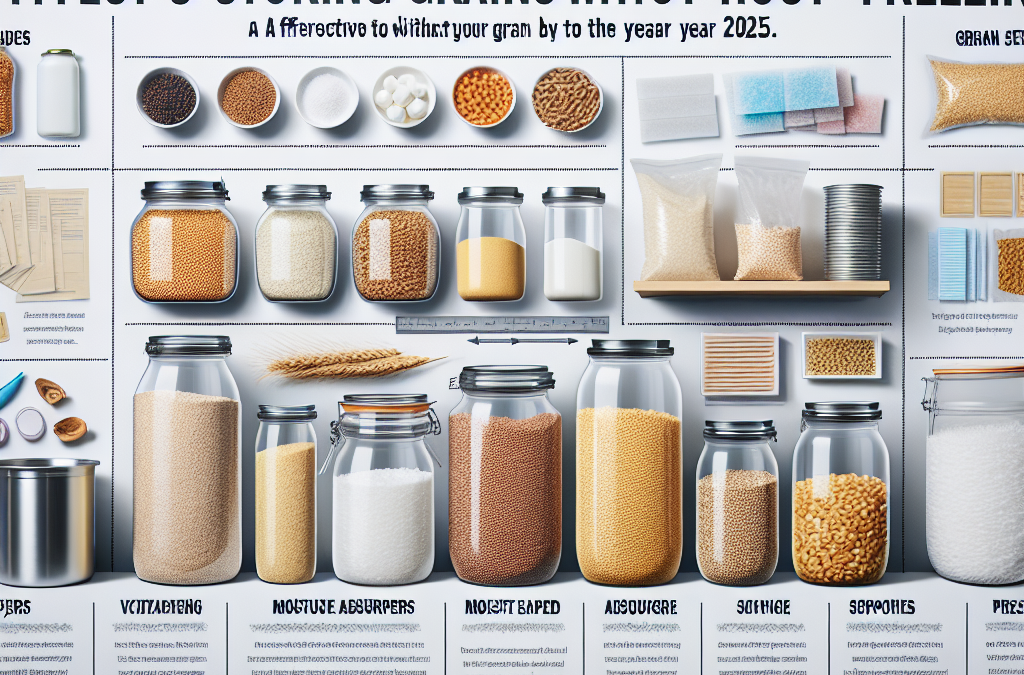
Airtight food storage containers play a vital role in maintaining the quality of your food items. By creating a seal that prevents air and moisture from entering, these containers help keep your ingredients fresh for longer periods. This not only enhances the flavor and texture of your meals but also reduces food waste and saves you money in the long run. However, selecting the right type of container for your needs can be challenging, especially with the variety of options available in the market.
Many people assume that any container will suffice for food storage, but this misconception can lead to spoiled ingredients and wasted money. Airtight containers are specifically designed to provide a secure seal, which is essential for preserving dry goods like grains, pasta, and snacks, as well as perishable items such as fruits and vegetables. When choosing airtight containers, consider factors such as material, size, and intended use to ensure your food stays fresh and safe.

Understanding Airtight Technology
Airtight food storage containers utilize various sealing mechanisms to ensure that no air or moisture can enter. Common technologies include silicone seals, locking lids, and vacuum sealing. Understanding how these mechanisms work is essential for choosing the right container for your specific storage needs. For instance, silicone seals provide a flexible and effective barrier against air, while vacuum-sealed containers remove air entirely, which is ideal for long-term storage of sensitive items.
When selecting airtight containers, consider the type of food you plan to store. Items like flour and sugar benefit from vacuum-sealed containers that keep out moisture, while snacks and produce may only require a simple locking lid. It’s also important to note that not all airtight containers are created equal; some may provide better seals than others, which can significantly impact your food’s freshness.
Choosing the Right Containers for Your Needs
When it comes to choosing airtight food storage containers, several factors should guide your decision. First, consider the material of the container. Glass containers are non-reactive and ideal for long-term storage, while plastic containers are more lightweight and convenient for everyday use. Additionally, think about the size and shape of the containers. Larger containers work well for bulk items, while smaller containers are perfect for leftovers or snacks.
Budget is another critical factor. While investing in high-quality airtight containers may seem costly upfront, they can save you money by prolonging the shelf life of your food. Look for containers that offer a balance between quality and affordability, and consider purchasing sets to maximize your storage options. Prioritizing versatility and ease of use will also enhance your overall experience.
Common Mistakes to Avoid
One of the most common mistakes people make when using airtight food storage containers is overfilling them. This can compromise the seal and allow air to enter, negating the benefits of airtight storage. Additionally, not properly cleaning containers before use can lead to contamination and spoilage. Always ensure that your containers are clean and dry before storing food.
Another pitfall is neglecting to label your containers. Without clear labeling, you may forget what’s inside or when it was stored, which can lead to food waste. Invest in a labeling system that works for you, whether that’s using masking tape and a marker or a label maker for a more polished look. By avoiding these mistakes, you can ensure that your airtight containers work effectively to preserve your food.
Get Whole Wheat Flour, Grains and Milling Supplies – CLICK HERE

Real-World Applications and Tips
Airtight food storage containers are versatile and can be used for various applications beyond just keeping food fresh. For instance, they can be used to store pet food, spices, and even bulk items like rice and beans. Here are some practical tips to get the most out of your containers:
- Rotate your food items regularly to ensure older products are used first.
- Store similar items together to streamline your cooking process.
- Consider using clear containers to easily see contents and avoid confusion.
- For added freshness, use oxygen absorbers in large containers to eliminate excess air.
By implementing these tips, you can enhance the effectiveness of your airtight food storage containers and make your kitchen more organized and efficient.
Frequently Asked Questions
What are airtight food storage containers made of?
Airtight food storage containers are typically made of glass, plastic, or stainless steel, each offering unique benefits depending on your storage needs.
How long can food be stored in airtight containers?
The duration food can be stored in airtight containers varies by item; dry goods can last for months, while perishables should be consumed within a week or two.
Are all airtight containers dishwasher safe?
Not all airtight containers are dishwasher safe. Always check the manufacturer’s guidelines to ensure proper cleaning methods.
Can airtight containers prevent freezer burn?
Yes, airtight containers can significantly reduce the risk of freezer burn by minimizing exposure to air in the freezer.
Do I need to refrigerate food stored in airtight containers?
It depends on the food type; perishables should be refrigerated, while dry goods can be stored at room temperature in airtight containers.